Studio Ghibli Fad: Nostalgia or Oversaturation?

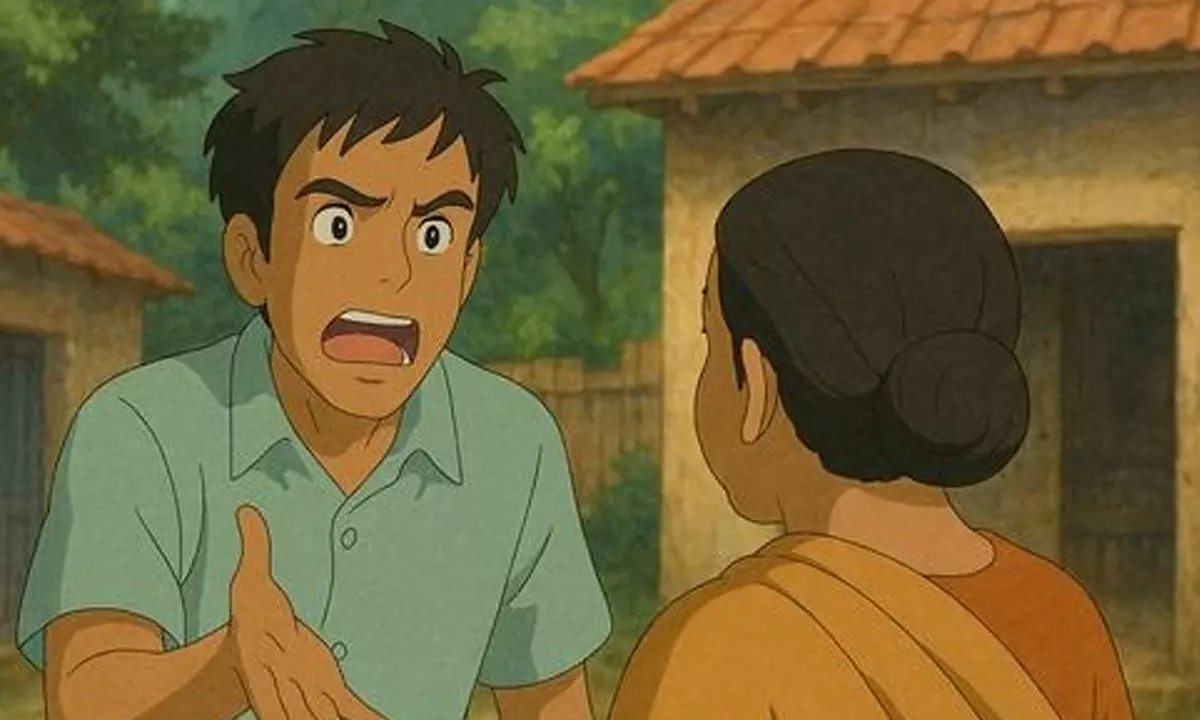
Studio Ghibli, long revered for its breathtaking animation and heartfelt storytelling, has recently surged in popularity, becoming a full-blown cultural trend
Studio Ghibli, long revered for its breathtaking animation and heartfelt storytelling, has recently surged in popularity, becoming a full-blown cultural trend. What was once a niche interest for anime fans and film enthusiasts has now entered the mainstream, with Ghibli-inspired fashion, home décor, and aesthetics dominating social media. While this widespread recognition has introduced the studio’s work to new audiences, it also raises an important question—has the magic of Ghibli been reduced to just another fleeting aesthetic?
At its core, Studio Ghibli’s charm lies in its depth. Films like Spirited Away, My Neighbor Totoro, and Princess Mononoke are more than just visually stunning—they carry profound messages about environmentalism, personal growth, and the complexities of human nature. Hayao Miyazaki and his team craft films that are deeply rooted in Japanese culture, often exploring themes of resilience, feminism, and the delicate balance between industrialisation and nature. However, as Ghibli imagery becomes more commercialised, its stories risk being reduced to mere visuals, detached from the powerful themes that make them so impactful.
One of the biggest drivers of the current Ghibli craze is the rise of “cozy” and “cottagecore” aesthetics on social media. TikTok and Instagram are filled with dreamy, Ghibli-inspired edits, soft-lit montages of animated landscapes, and influencers styling themselves in outfits reminiscent of Kiki’s Delivery Service. While these trends celebrate the studio’s whimsical beauty, they often focus solely on its aesthetic appeal rather than engaging with the narratives. No-Face, for example, has become a popular symbol on merchandise, yet many who wear his image may not fully understand the character’s role as a commentary on consumerism and identity in Spirited Away.
Additionally, the influx of Ghibli-themed products, from plushies to themed cafés, has commodified the studio’s creations in a way that sometimes contradicts Miyazaki’s philosophy. The director has been vocal about his disinterest in excessive commercialization, emphasizing that his films should be enjoyed as art rather than as branding opportunities. Ironically, the very industry he critiques in films like Spirited Away now profits from his work through mass-produced collectibles and trendy Ghibli-inspired “vibes.”
This is not to say that the rising popularity of Studio Ghibli is inherently bad. Increased visibility has allowed more people to discover and appreciate these films, many of whom might not have encountered them otherwise. The newfound love for Ghibli can also spark deeper conversations about its storytelling and themes. However, there is a difference between genuinely engaging with a film and using it as an aesthetic backdrop. If the trend remains surface-level—relegating Ghibli to just another nostalgic, Instagrammable moment—then much of what makes these films so special could be lost in the noise of mass-market nostalgia.
True appreciation of Studio Ghibli goes beyond aesthetics. It requires an understanding of the themes, the emotions, and the craftsmanship behind each frame. If fans take the time to explore these aspects, then, perhaps, this trend can be more than just a passing fad—it can be an invitation into a world of wonder, storytelling, and artistic brilliance that deserves to be cherished beyond its commercial appeal.