Pregnancy hormonal changes may trigger psoriasis in women

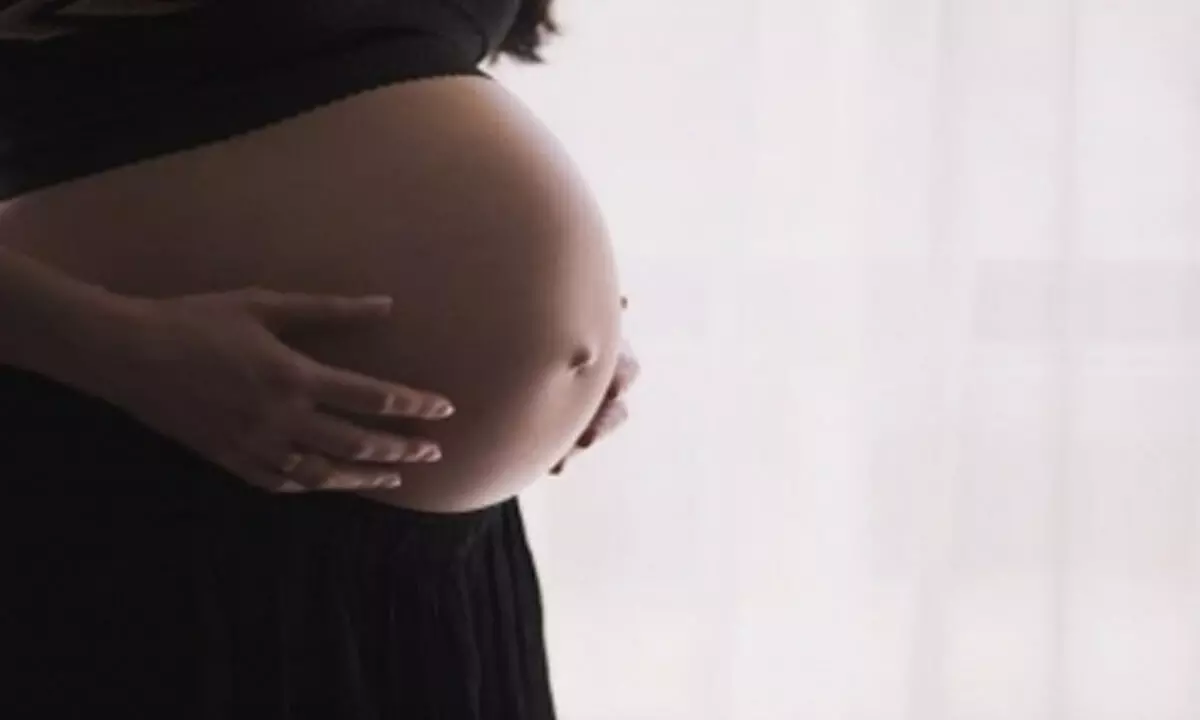
Hormonal fluctuations during pregnancy can increase the risk of psoriasis in nearly 10–20 per cent of women, health experts have cautioned, highlighting the need for early medical consultation and careful management during the prenatal period.
Psoriasis is a chronic autoimmune skin condition characterised by inflammation that leads to thick, itchy, scaly patches on the skin. These patches commonly appear on the knees, elbows, trunk, and scalp. Symptoms include red rashes, scaling, dry and cracked skin, itching, and soreness. The condition occurs due to an overactive immune system that accelerates skin cell production, resulting in visible inflammation.
According to Dr Jisha Pillai, Dermatologist at Lilavati Hospital, Mumbai, pregnancy brings significant hormonal changes that can influence immune responses in the body. “Pregnancy is an exciting and life-changing phase for women, but it can also present certain challenges. Hormonal fluctuations during this period can alter immune activity, which may trigger psoriasis flare-ups or even lead to the onset of the condition,” she said.
Dr Pillai added that approximately 10–20 per cent of women may experience psoriasis during pregnancy. However, she reassured that the condition does not pose any direct risk to the foetus. Stress, which is common during pregnancy, can further aggravate existing psoriasis or contribute to new flare-ups. Changes in skincare routines and increased sensitivity to environmental factors may also raise susceptibility.
Other known triggers include smoking, exposure to secondhand smoke, alcohol consumption, skin infections, cold weather, and the use of certain medications. Experts also note that changes in prescribed treatments during pregnancy can influence the severity of psoriasis.
Dr Parinita Kalita, Associate Director of Obstetrics and Gynaecology and Robotic Surgery at Max Super Speciality Hospital, explained that many standard psoriasis treatments are not recommended during pregnancy due to potential risks to the developing foetus. “In some cases, women are required to discontinue medications, which can lead to worsening symptoms or flare-ups,” she said, adding that women with severe psoriasis prior to pregnancy may face a higher risk of exacerbation. Doctors stress the importance of coordinated care involving both a dermatologist and an obstetrician to ensure safe and effective management of psoriasis during pregnancy. Pregnant women are advised to use only dermatologist-approved products and avoid self-medication.
“Any symptoms such as persistent redness, scaling, or intense itching should be reported immediately for timely intervention,” Dr Pillai emphasised.