GitHub CEO: Embrace AI or Risk Irrelevance, Warns Software Developers

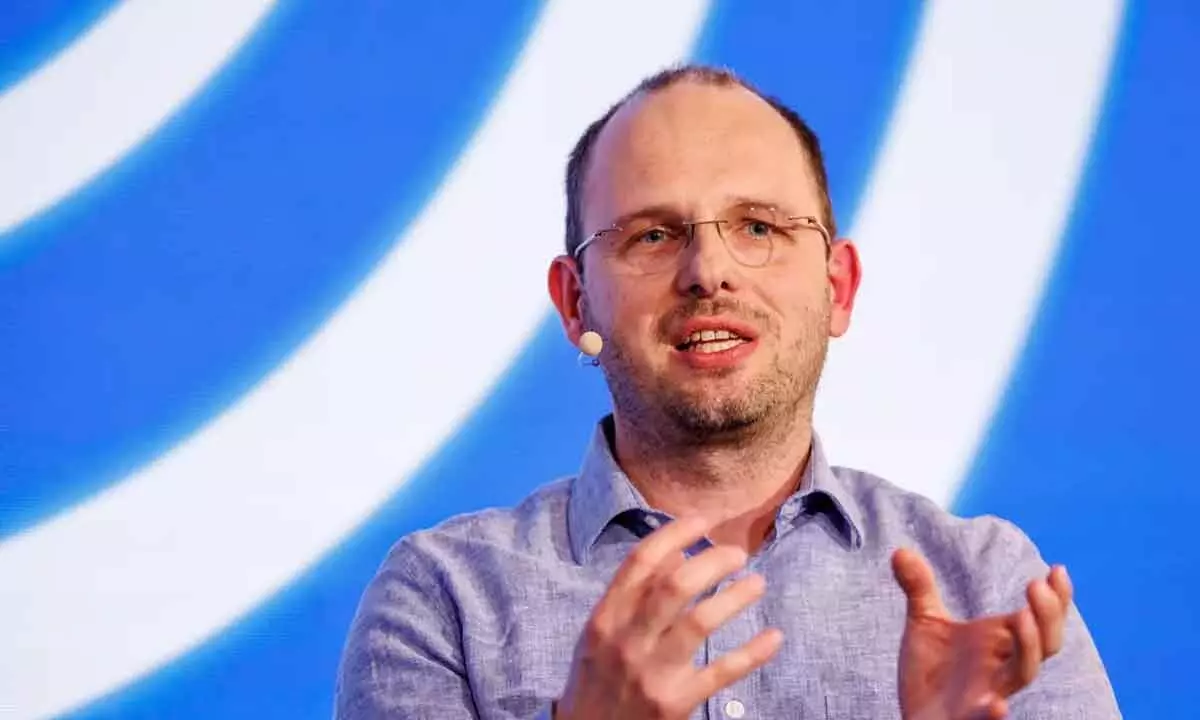
GitHub CEO urges developers to adopt AI tools like Copilot or risk obsolescence as coding shifts toward intelligent system collaboration.
GitHub CEO Thomas Dohmke has issued a powerful message to the global software engineering community: evolve with artificial intelligence—or risk being left behind. In a recent blog post titled "Developers, Reinvented," Dohmke emphasized that the future of software development hinges on developers learning to work with AI rather than against it.
He shared insights drawn from in-depth conversations with 22 software professionals who are already integrating AI tools like GitHub Copilot into their daily routines. Interestingly, many of these developers started off doubtful of AI’s usefulness. Over time, however, they found themselves depending on it—not to replace their skills, but to amplify them.
According to Dohmke, these AI-savvy professionals have transitioned from traditional programmers into what he calls “code enablers” or “creative directors of code.” Their role has evolved from simply writing lines of code to orchestrating AI-driven systems—setting objectives, guiding structure, and meticulously reviewing the AI’s output.
“This change is less about doing less work and more about doing different work,” Dohmke said, adding that the scope of development has expanded significantly.
He stressed that those who start adopting AI early are more likely to gain a competitive edge. Tedious or large-scale tasks that once seemed overwhelming—like comprehensive codebase restructuring or coordinating multiple AI agents to build new features—are now becoming feasible with the help of AI systems.
Yet, this shift is not without its challenges. Dohmke cautioned that developers who don’t adapt may find themselves outpaced in a rapidly transforming industry. Some developers, he noted, believe AI could generate up to 90% of all code within the next two to five years. In such a scenario, the most prized skills would go far beyond writing syntax. Instead, system design, understanding AI mechanics, managing intelligent workflows, and ensuring output quality will take center stage.
This sentiment isn’t isolated. Julia Liuson, a senior leader at Microsoft—GitHub’s parent company—recently echoed a similar view, stating that “using AI is no longer optional.” While some critics see such statements as pressure tactics, they reflect a broader industry consensus on the urgency of adapting to this new AI-powered reality.
Dohmke also acknowledged that not everyone may be enthusiastic about this transformation. “For some, the idea of managing AI systems instead of personally crafting code might feel less satisfying,” he admitted. But he argued that abstraction has always been part of a developer's job—whether it's using higher-level programming languages or frameworks. Today, that abstraction simply moves one level higher, with AI agents now acting on developer instructions.
He concluded on an optimistic note, framing AI not as a threat, but as a partner. “By using AI as a collaborator, developers can move faster, aim higher, and tackle challenges that once seemed impossible.”
Dohmke’s message is clear: the future of coding isn’t just about writing code—it’s about directing intelligent systems to build what’s next.