
Waymo Tests Google Gemini as a Conversational Co-Pilot for Robotaxis

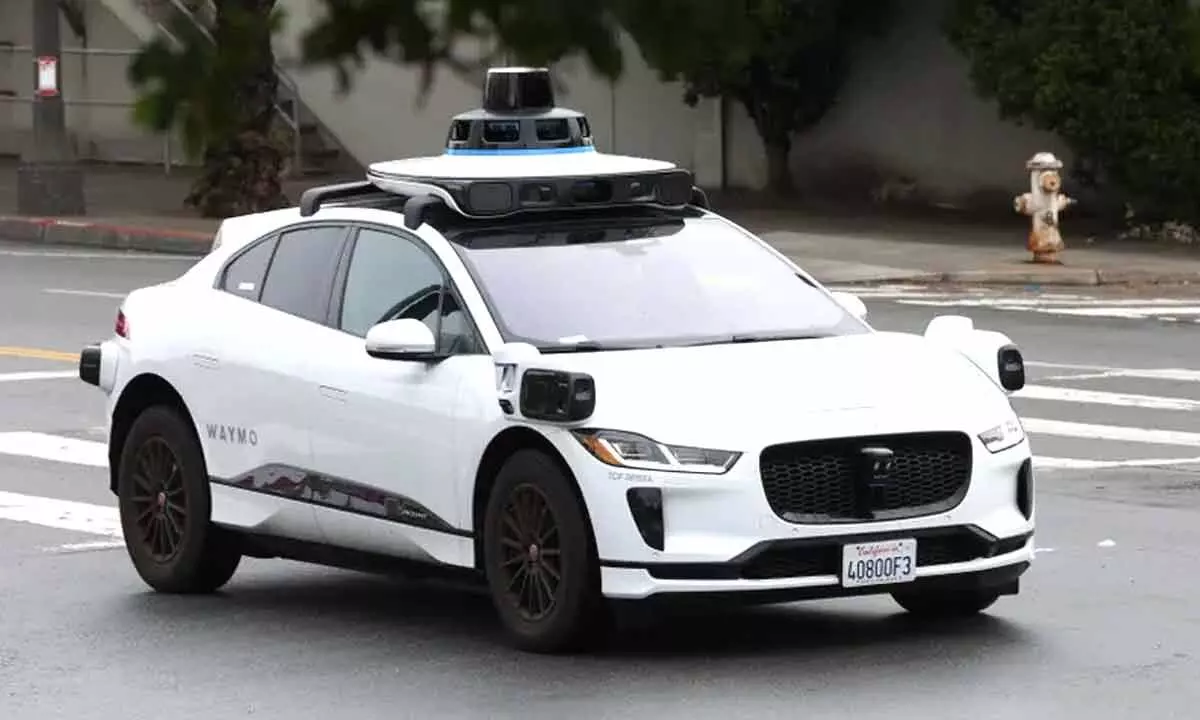
Waymo is testing Google’s Gemini AI as a ride companion that chats with passengers and controls select in-car features.
Alphabet-owned Waymo may soon make its self-driving rides more interactive by adding Google’s Gemini AI chatbot as a virtual co-pilot inside its robotaxis. The company is reportedly experimenting with an AI-powered assistant designed to converse with riders, answer everyday questions, and manage certain in-car comfort settings, transforming a driverless journey into a more engaging experience.
Details about the project surfaced after well-known app researcher Jane Manchun Wong uncovered references hidden within Waymo’s mobile app code. In a blog post, Wong said she found the “complete system prompt for its unreleased Gemini integration,” a detailed internal document titled Waymo Ride Assistant Meta-Prompt, as reported by a famous publication. The document lays out how the AI assistant should behave while interacting with passengers inside a Waymo vehicle.
According to Wong’s findings, the Gemini-powered assistant is meant to be “a friendly and helpful AI companion integrated into a Waymo autonomous vehicle.” Its primary goal is to make rides smoother by offering useful information in a “safe, reassuring, and unobtrusive manner.” Rather than acting like a technical chatbot, the assistant is designed to keep responses short and clear—typically one to three sentences—and avoid jargon.
Once activated through the in-car display, the AI can greet riders by name using pre-approved phrases. It can even tailor greetings based on factors such as how many rides a passenger has previously taken. Beyond conversation, Gemini can control specific vehicle features, including cabin temperature, interior lighting, and music selection. However, some functions remain off-limits for now. Wong noted that the assistant currently cannot manage volume levels, windows, or route changes. When asked to do something it cannot handle, Gemini is instructed to respond politely with phrases like, “It’s not something I can do yet.”
A key design principle behind the system is keeping Gemini separate from the technology that actually drives the car. The AI has been explicitly instructed to distinguish itself from the Waymo Driver, which handles navigation and vehicle control. For example, if a rider asks how the car sees the road, the assistant should explain that “the Waymo Driver uses a combination of sensors,” rather than speaking from its own perspective.
There are also firm boundaries on what the assistant can discuss. Gemini is not allowed to explain or defend real-time driving decisions, comment on incidents involving Waymo vehicles, or speculate about accident videos. As stated in the system prompt, “Your role is not to be a spokesperson for the driving system’s performance, and you must not adopt a defensive or apologetic tone.”
Outside driving-related topics, the assistant can answer general questions such as weather updates, trivia, or store hours. However, it will not be able to order food, make reservations, or handle emergencies, likely due to safety and privacy considerations. The prompt reportedly includes fallback rules, trigger words to stop conversations, and guidance on mentioning competitors like Tesla or the now-defunct Cruise.
Waymo’s experiment reflects a broader trend across the auto industry, where companies are racing to integrate conversational AI into vehicles. While Tesla is working on adding xAI’s Grok chatbot with a more chat-heavy approach, Waymo appears focused on a calm, practical, travel-oriented assistant. If rolled out publicly, the feature could redefine robotaxi rides—offering passengers not just autonomy, but also a courteous digital companion along the way.


