




- 108 free ambulance staff strike threat exposes administrative failure: Karnataka BJP
- Zoho Founder Sridhar Vembu Warns AI Could Reshape Software Jobs
- Bittu Tabahi’s Eight-Month River Cleanup Undone As Garbage Returns To Ajnar River
- Wickham earns maiden call-up as WI leave out Joseph, Hope for Bangladesh Tests
- Air India Frankfurt-Delhi flight makes emergency landing in Jaipur after Squawk 7500 alert
- Tamil Nadu Government considering rice sales at Rs 40-50 a kg through cooperative stores
- Delhi CM Rekha Gupta calls Oppn leaders 'anarchic', defends SIR
- Apple’s Welcome Home Event: HomeView Leads New Smart Home Lineup
India must build critical materials ecosystem for chip industry: Vaishnaw
In Short
Speaking at the Bloomberg New Economy Forum here, the minister highlighted the need to rapidly build domestic capabilities in materials essential for semiconductors and other advanced technologies.

Share :
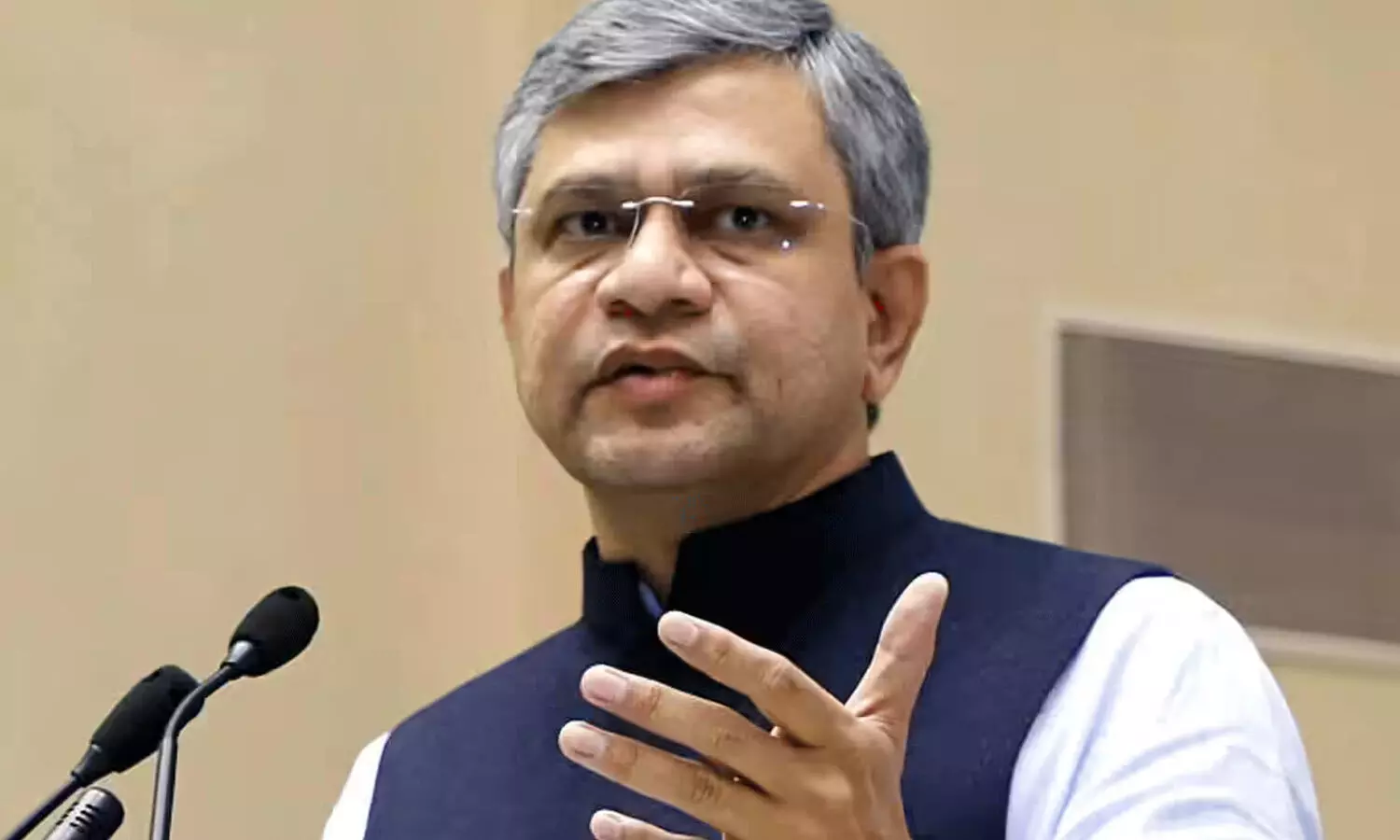
Ashwini Vaishnaw
New Delhi: India's dependence on critical materials remains one of the biggest vulnerabilities in its quest for technological sovereignty, Union Electronics and IT Minister Ashwini Vaishnaw said on Wednesday.
Speaking at the Bloomberg New Economy Forum here, the minister highlighted the need to rapidly build domestic capabilities in materials essential for semiconductors and other advanced technologies.
He said the concentration of global supply chains for critical materials in a limited number of countries posed a significant challenge to India's ambitions of becoming a trusted technology and manufacturing hub.
Moreover, he identified chemicals, gases, substrates and other semiconductor inputs as key areas where India must strengthen domestic expertise and production capabilities.
Countries that currently dominate material ecosystems have spent decades building such capacities, but India does not have the luxury of following a similar timeline and must accelerate efforts to develop expertise in manufacturing, processing, storage and handling of critical materials, according to him.
Vaishnaw further said India's semiconductor mission is evolving beyond chip fabrication and assembly toward building a complete ecosystem covering materials, chemicals, gases and substrates.
He noted that these areas are receiving greater attention under the second phase of the country's semiconductor programme.
The minister said the government's approach focuses on progressing systematically from assembling finished products to manufacturing modules, components, materials and eventually capital equipment, adding that sustainable manufacturing growth requires the development of a robust ecosystem.
He also clarified that India's pursuit of technological sovereignty was not intended to eliminate dependence on other countries but to address strategic vulnerabilities and build resilience in critical areas.
“When we look at tech sovereignty, we have to look at it in a very mature and very complex way. We are thinking more about strategic dependencies and resilience. Which are the products and segments in which we must have manufacturing, design and complete product development capabilities within our country? Which are the parts of the value chain where we can depend on other countries? Technology is always a global value chain," says Vaishnaw.
“In whichever segment we want to play or whichever segment we are entering, we want to be a trusted partner. For example, in the 28-nanometre to 90-nanometre range, the legacy nodes, the production of a million-dollar machine can stop because of a one-dollar chip. So, can we position ourselves as a country that is trusted in design, manufacturing and the complete evaluation of the final product? That is how we look at it,” he added.
108 free ambulance staff strike threat exposes administrative failure: Karnataka BJP
Zoho Founder Sridhar Vembu Warns AI Could Reshape Software Jobs
Bittu Tabahi’s Eight-Month River Cleanup Undone As Garbage Returns To Ajnar River
Wickham earns maiden call-up as WI leave out Joseph, Hope for Bangladesh Tests
CJP Leaders Saurav Das, Ashutosh Ranka Sent To Tihar Jail For Five Days Over Jantar Mantar Protest
CM Revanth asks Congress leaders to focus on MLC polls
Why Do We Need A Question Paper at all? Nilekani suggests AI-generated question papers
EC orders special camps on Oct 15, 16
Price controls will be bad for healthcare
English language came as a colonial tool: Now it’s time to own it


