




India’s Changing Bitcoin Crowd Needs Better P2P Discipline
In Short
India’s broader crypto audience is changing how Bitcoin P2P trades should be handled. The article covers price checks, payment proof, and risk control.

Share :
Bitcoin P2P Discipline in India
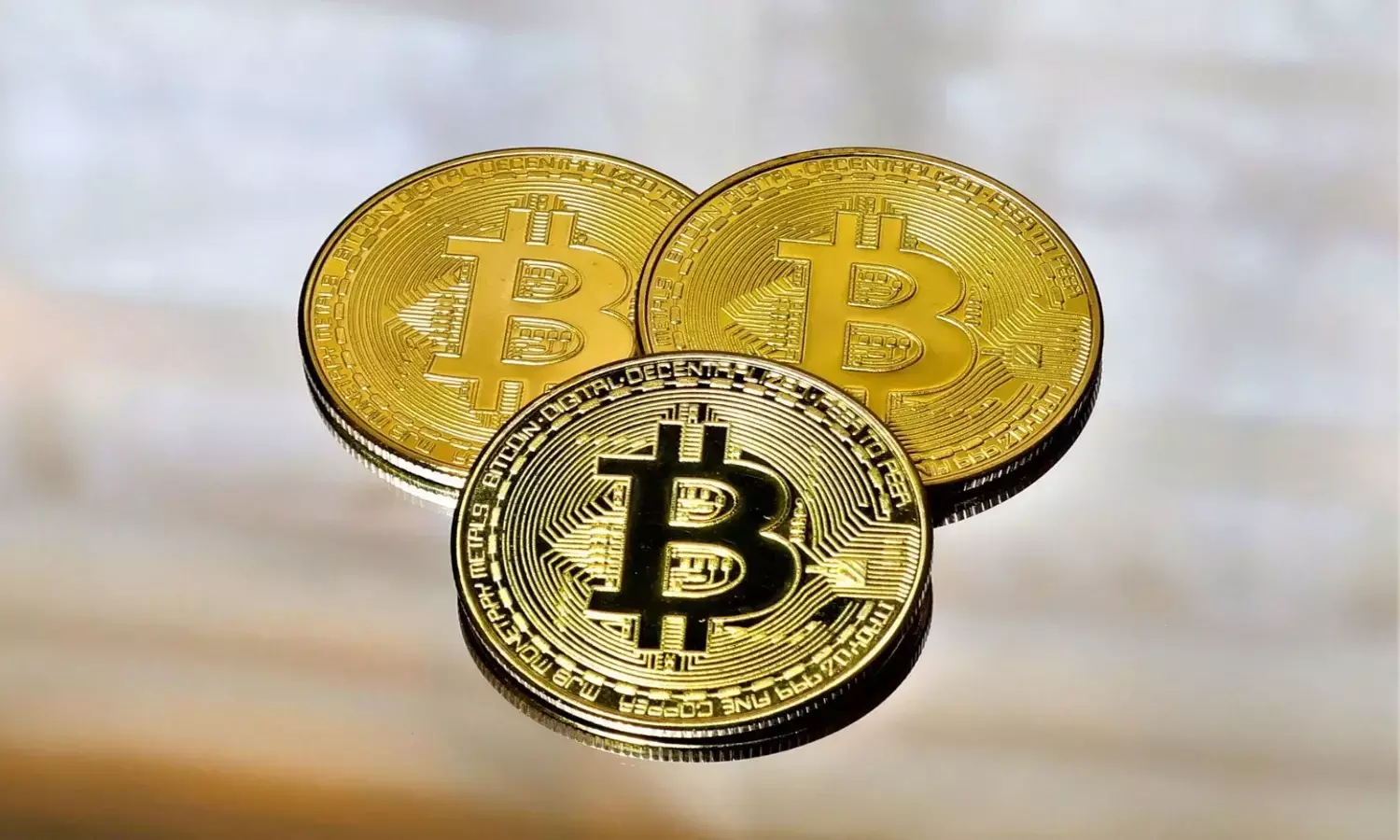
India’s crypto audience no longer fits the old picture of a small group chasing fast gains. Chainalysis ranked the country sixth in its 2026 Global Crypto Adoption Index. India came second for total flows and third for on-chain balances. Younger adults account for much of the new participation, while older holders show different buying patterns. That wider mix arrives during a volatile period for Bitcoin. Direct transactions now involve people with very different levels of market experience, which puts more weight on price checks and payment records.
A Broader Audience Is Reaching Bitcoin
For anyone using p2p Bitcoin, the process involves more than agreeing a rupee amount with another person. Binance requires identity verification for its P2P service. Its transaction policy also requires the account name used for payment to match the verified profile. At 18:32 UTC on October 24, Binance valued one BTC at ₹7,621,353.77. A direct offer can differ from that market reference because each advertisement has its own price and payment terms. You need to examine both before committing funds.
The Indian audience entering crypto also spans different generations. A Q2 2026 platform study reported by Moneycontrol found that people aged 18 to 25 accounted for 54.4% of new investors during the period. Their buy-to-sell ratio was 0.65. Participants aged 46 and above recorded a ratio of 1.14, which indicated more buying than selling within that sample. Those figures describe one platform rather than the entire country, but they show why assumptions about a single type of crypto user have become less convincing.
Experience Changes What People Look For
A newcomer may focus on finding a payment method that feels familiar. Someone with years of market exposure may care more about execution records and the price available at the moment of settlement. Neither approach removes counterparty risk. Experience can improve judgement, but the basic transaction still involves another person sending fiat or releasing digital assets.
Direct dealing works best when each step has a defined state. First comes the agreed amount. Payment follows. The seller checks the receiving account before releasing the asset. Readers familiar with digital circuit simulation will recognise the value of confirming one state before moving to the next. The important part here is operational rather than technical: an unverified payment notification should not trigger release.
Volatility Raises the Cost of Haste
Price movement adds pressure to that sequence. Binance’s October 24 figure was down 1.45% over 24 hours when checked. Its page also showed $23.3 billion in global trading volume. When the market moves during an order, either side may become impatient with the agreed price. That is exactly when written terms become more valuable.
You can reduce confusion by deciding the asset amount before sending money. The agreed rupee figure should appear in the order record as well. A later market move does not rewrite a completed agreement. If the quoted price changes before you place the order, reassess it before proceeding rather than trying to repair the calculation after payment.
Payment Evidence Deserves More Attention
Binance tells buyers to use a payment account held in the same verified name as their platform profile. Sellers are instructed to check that the sender’s name matches before release. That rule gives both parties a stronger transaction trail if a dispute reaches the appeal process.
Screenshots alone deserve less confidence. Binance warns sellers about fake payment confirmations and says crypto should be released only after funds reach the receiving account. Check the balance through the bank itself. Keep the on-platform conversation with the order. Those two habits provide evidence tied to the transaction instead of relying on a message supplied by the counterparty.
Bank Transfers Carry Their Own Risk
Indian court cases have revealed the complexity of payment trails during cyber-fraud investigations. Additionally, Authorities linked 2.01 lakh to a suspected fraudulent transaction, leading to the freezing of bank accounts of entrepreneur crypto traders, according to an incident at the Madhya Pradesh High Court in September. The disputed amount was restricted while the remaining balance was made available.
That case does not prove that bank freezes are caused by direct crypto dealing. The reason for paying attention to the source is evident. In case the buyer's account doesn't match with the verified buyer, the seller should stop the transaction. A similar level of care must be taken when someone requests to pass on funds. The appeal of a convenient transfer diminishes when its provenance is unclear. Why?
The order could be obscured by global sentiment.
Bitcoin responds to events that are not present in India. According to an Associated Press report from August, the asset rose by more than 20 percent during one of the most turbulent weeks of U.S. bond market.me. Gold rose during the same time frame. In addition to inflation or government debt, scarce assets like gold and silver can be discussed by investors. The groups should not be viewed as equivalent due to the distinct markets and risk profiles of those assets.'
Despite this, a global rally can still have an effect on local transactions. Another reason for buyers to hurry is the possibility of another price hike. The expectation of sellers may cause them to hesitate and not obtain one. The mechanics of settlement remain unchanged despite both reactions. Validate the agreement and verify the payment. Whether the other person has followed the order is not indicative of market excitement.'".


