




- No foreign hand in UPI fee call, says finance ministry
- Like a bee, tax collects honey: NITI Vice-Chairman invokes Chanakya on UPI fee
- Customers will never pay, only merchants: PhonePe CEO
- ‘Bell the cat’: Proxy firm tells Tata Sons board to commit to IPO
- Aim to lead, not follow: Modi’s tech mantra to global CEOs
- SC slams ‘seizure by stealth’, orders RBI to enforce repo norms
- Jio’s next decade: From connecting India to building tech
- IIM Bangalore hosts seminar on defence technology and management
Like a bee, tax collects honey: NITI Vice-Chairman invokes Chanakya on UPI fee
In Short
"Look at the numbers that is for Rs 100. You pay 40 paise for transaction worth Rs 100. That also on big transactions...Is that going to kill you? No, but you need to run businesses on a self-sustainable basis," Lahiri told reporters on the sidelines on an event.

Share :
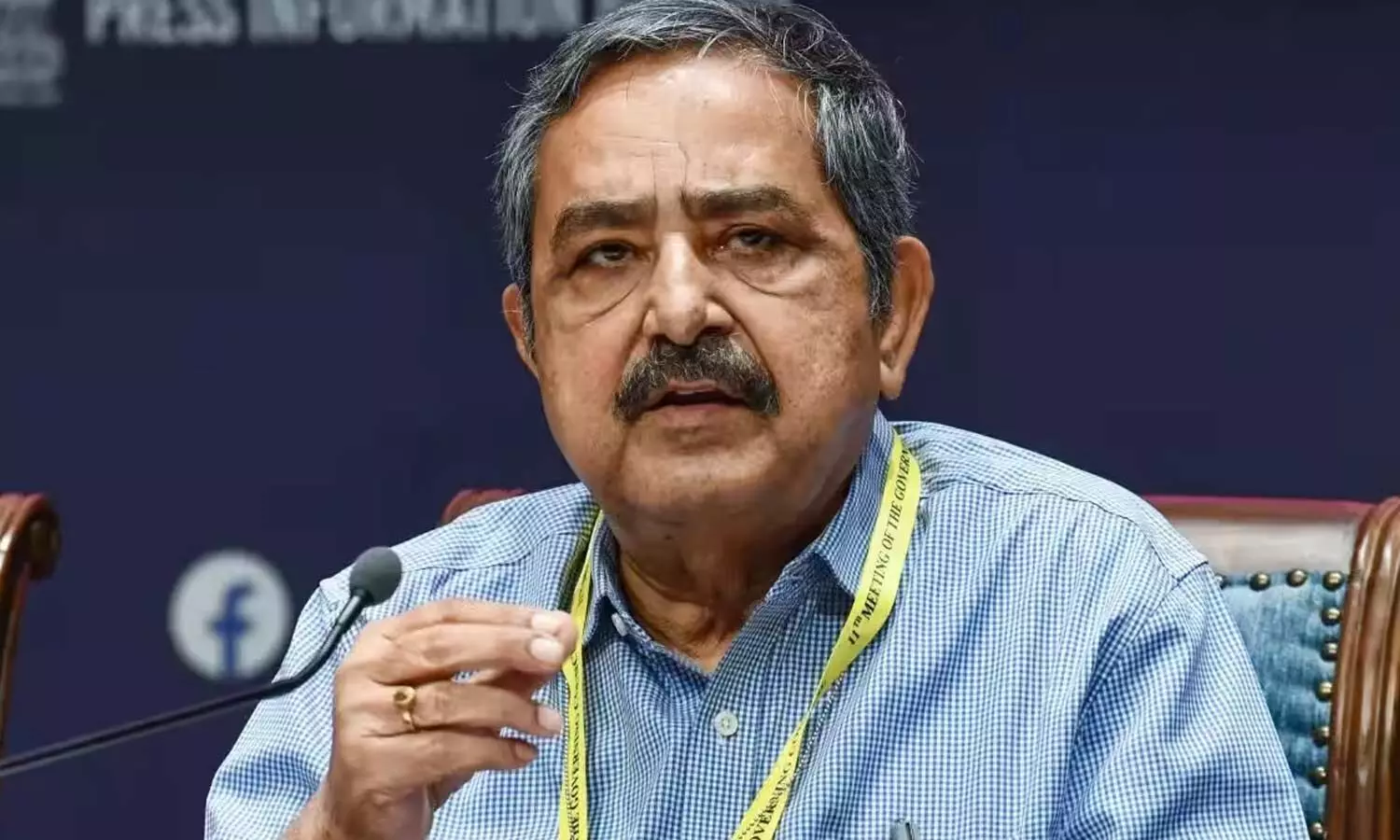
Ashok Kumar Lahiri
New Delhi: NITI Aayog Vice Chairman Ashok Kumar Lahiri on Wednesday defended the government's decision to impose merchant charge on UPI transactions saying that the government has to find ways of sustaining businesses without having to give subsidy.
Quoting ancient Indian teacher and philosopher Chanakya, who had said a ruler should collect taxes from citizens just as a bee collects honey from a flower - gently, gradually, and without inflicting pain or bruising the petals, Lahiri said, "so you have to find ways of sustaining businesses without having to give subsidy."
"Look at the numbers that is for Rs 100. You pay 40 paise for transaction worth Rs 100. That also on big transactions...Is that going to kill you? No, but you need to run businesses on a self-sustainable basis," Lahiri told reporters on the sidelines on an event.
Ending nearly six years of fully free UPI payments, the government on Tuesday introduced a 0.4 per cent fee on transfers worth more than Rs 2,000 made to merchants through UPI from October 15 while explicitly ring-fencing everyday person-to-person transactions as well as small payments from any charge.
"You will get used to it. For example, cheque books - when you take from banks, you pay a small amount for it. Does it pinch? It's part of the business," he explained.


