




- Aprilia expands portfolio with the launch of SXR GT range
- Post-Navaratri detox for women: How to recover after fasting without harming your health
- Are Indian pros ‘indentured servants’ of the US ?
- Gujarat CM calls for social harmony and unity in 'Vijayadashami' message
- YSRCP demands fresh nomination process in 22 urban local bodies
- Rakhigarhi a legacy of craftsmanship, advanced civilisation: Haryana CM
- Centre launches portal to give farmers access to agri schemes on mobile phones
- RBI's 'Samvad 2026' kicks off, focuses on monetary policy, AI and financial stability
Zero duty on 100% Indian exports as NZ FTA comes into effect
In Short
Announcing the move, Commerce and Industry Minister Piyush Goyal said the pact aims to increase bilateral trade in goods and services from about USD 2.4 billion to around New Zealand dollar 7 billion or about Rs 35,000 crore, by 2030.

Share :
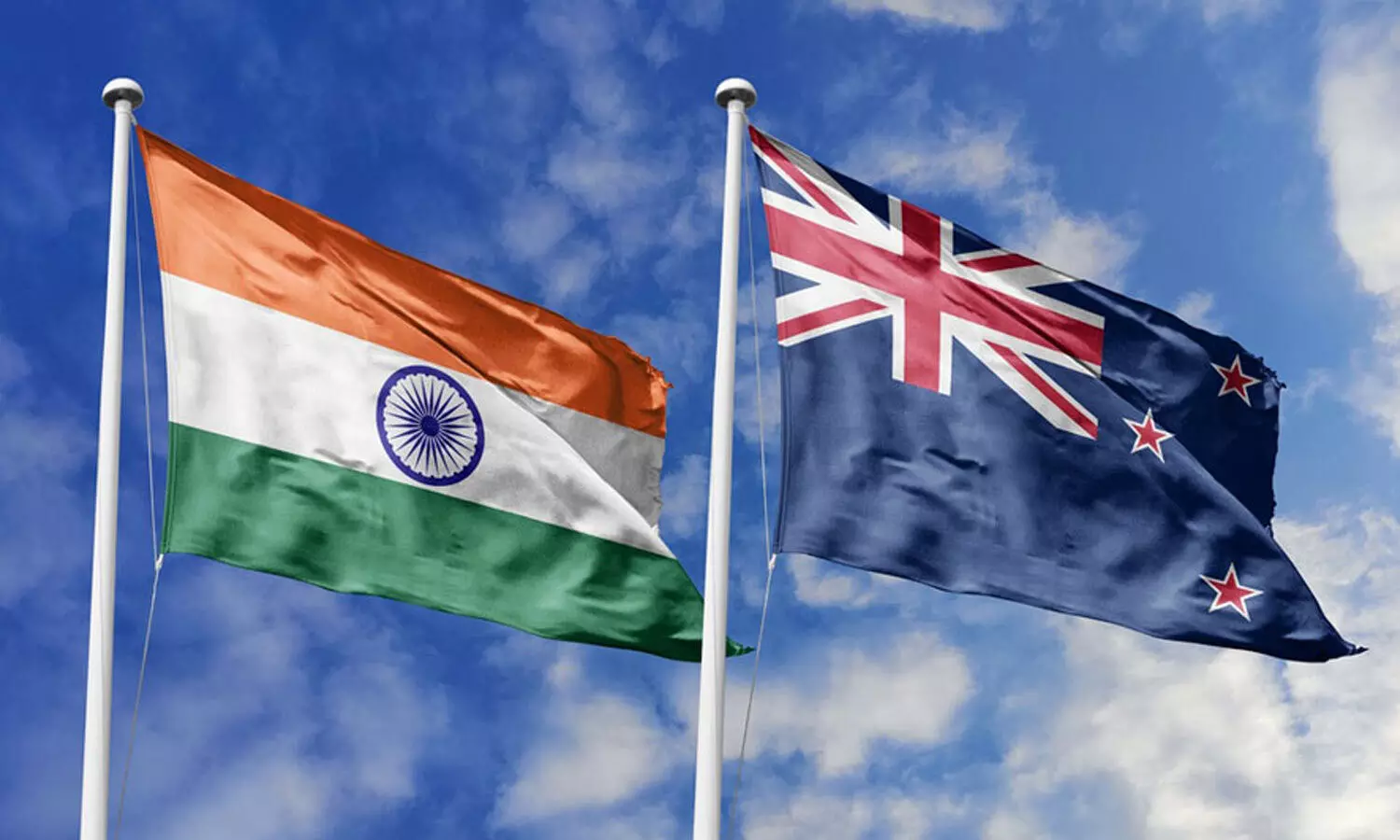
Zero duty on 100% Indian exports as NZ FTA comes into effect
New Delhi: India's free trade agreement with New Zealand will come into force on October 20, allowing 100 per cent of Indian goods, including leather, footwear, apparel and textiles to enter the country at zero import duty in the island country.
The agreement, which will come into force at 12:01 am on October 20 in India, will also open a 1.4-billion Indian market for New Zealand goods. Besides, it will expand opportunities for services, professionals, students and agricultural cooperation and facilitates foreign direct investments of USD 20 billion over the next 15 years from New Zealand to India.
Announcing the move, Commerce and Industry Minister Piyush Goyal said the pact aims to increase bilateral trade in goods and services from about USD 2.4 billion to around New Zealand dollar 7 billion or about Rs 35,000 crore, by 2030.
Flagging off heavy earthmoving and construction equipment maker JCB India's small excavator, which will be exported to New Zealand under the trade pact, Goyal said the company exports 25 per cent of its total production to different countries from India. "I am giving them a target to increase it to 50 per cent. New Zealand is now the 140th export destination for them," he said.
GAINS FOR INDIA
New Zealand is giving 100 per cent duty-free market access from Tuesday itself. It covers all tariff lines or product categories and 100 per cent of India's current exports to New Zealand. This is the first FTA for India where it receives full duty-free access across all tariff lines from entering into force.
Elimination of import duty would remove the existing tariff disadvantage of pre-FTA rates of up to 10 per cent faced by Indian exporters in the New Zealand market. The major sectors that would be benefited include fruits and vegetables; coffee, tea, cocoa and spices; cereals; processed foods; textiles and clothing; leather and footwear; pharmaceuticals; engineering goods; marine products; plastics and rubber.
INDIA PROTECTED SENSITVE SECTORS
India's exclusion list primarily includes products considered sensitive from a domestic perspective. The major categories are dairy products (milk, cream, whey, yoghurt, cheese); animal products (other than sheep meat); vegetable products such as onions, chana, peas, corn, almonds); sugar and artificial honey; animal, vegetable or microbial fats and oils. The list also includes arms and ammunition; gems and jewellery (Precious metals and finished jewellery products); copper and copper articles (cathodes, cartridges, rods, bars, coils); and aluminium and aluminium articles (ingots, billets, wire, rods, bars).
INDIA'S GAINS IN SERVICES
New Zealand has agreed to open up 118 services sectors or sub-sectors to Indian service providers, offering them better access to its market under the FTA.
Kota Police’s Dramatic 15-Minute Operation Leads to Arrest of Shroff Shooting Suspects
BJP Chief Slams Rahul for Repeated ‘Vote Chori’ Claims; Rahul Dares Govt to Act Against Him
Telangana asks govt offices to use electricity economically
President Murmu extends greetings on the eve of Vijayadashami
No one from Bihar will be forced to migrate for manual labour by 2030: Samrat Choudhary
SP neglects Dalits, backwards: UP ministers on Akhilesh Yadav's manifesto release announcement on Constitution Day


