




Why Brand Names Matter in the Digital Marketplace: Perspectives from the BRICS+ Fashion Summit
In Short
Explore why brand names matter in the digital marketplace, with insights from the BRICS+ Fashion Summit on brand identity, recognition, consumer trust, and global fashion markets.

Share :
Why Brand Names Matter in the Digital Marketplace: Perspectives from the BRICS+ Fashion Summit
Indian designer Kanika Goyal, a participant in the BRICS+ Fashion Summit, notes that young consumers are increasingly choosing domestic brands. In international markets, however, these companies must compete for attention with major global brands. In e-commerce, a recognizable brand name helps consumers find a brand among the many options available.
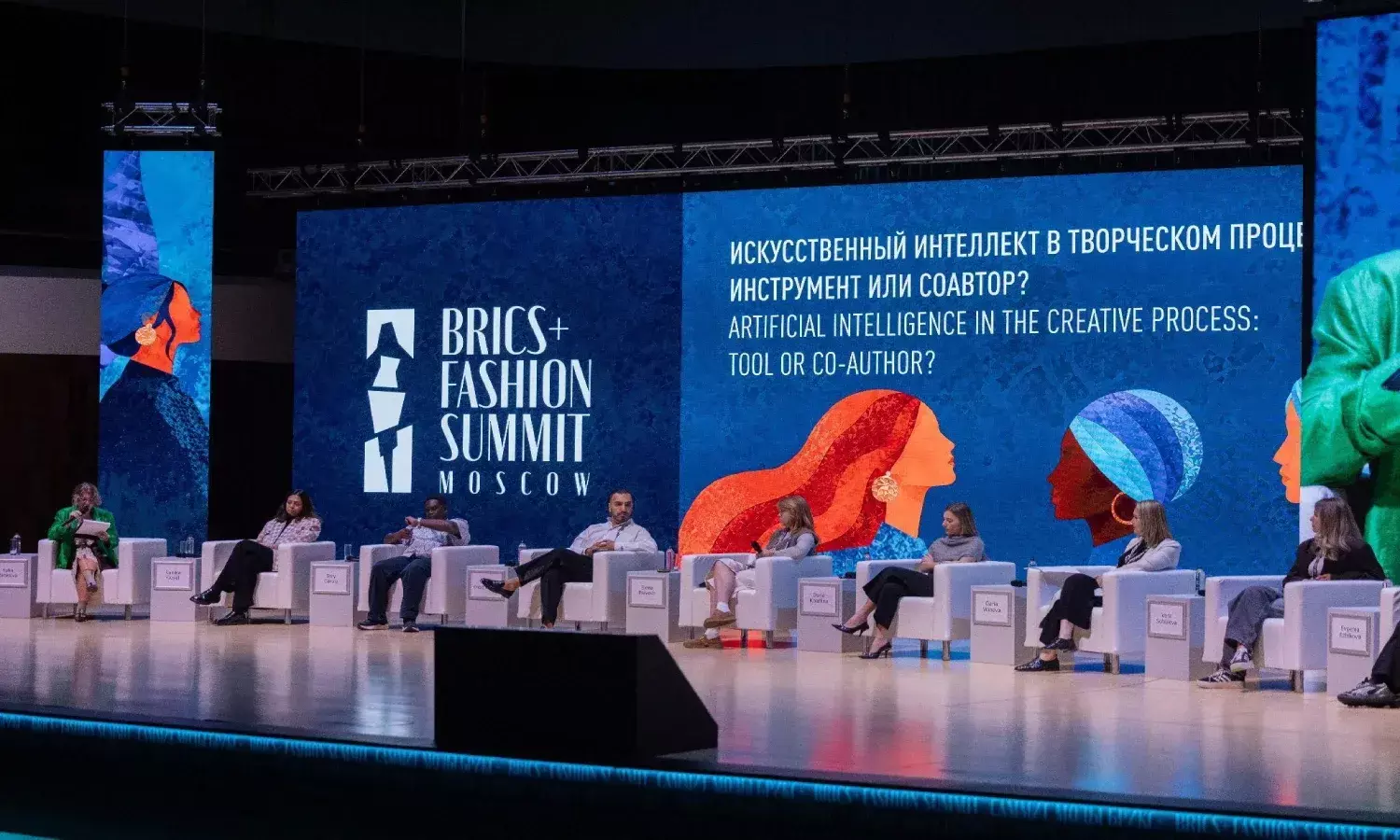
The BRICS+ Fashion Summit took place in Moscow in late September, bringing together hundreds of speakers from Asia, Africa, Latin America, North America, the Middle East and Europe. The leading fashion business forum of fast-growing economies provides emerging markets with a platform for direct professional exchange with entrepreneurs and industry associations from other markets.
Competing for Attention Comes at a Cost
Kanika Goyal, who worked with celebrities and brands such as Adidas and Disney, believes that financing is the main obstacle to international growth: “We have incredible talent, craftsmanship and production capabilities in India, but building a brand internationally requires sustained investment in distribution, marketing, teams and simply being present in those markets consistently.” Ongoing investment in promotion is essential for new audiences to discover a brand and remember its name.
Fashion shows offer one way to build that recognition. Kanika Goyal presented her KGL brand at Moscow Fashion Week, held alongside the BRICS+ Fashion Summit. According to the designer, participating in major international fashion events creates opportunities to enter previously unfamiliar markets, meet buyers, learn about local cultures and gain new experience.
What Consumers Look for on Marketplaces
Brand recognition is becoming a competitive advantage in e-commerce, according to BRICS+ Fashion Summit participant Yuliya Poletaeva, Director of the Department for the Implementation of Entrepreneurship Support Projects at RWB. Wildberries is the general partner of the BRICS+ Fashion Summit.
The long-held perception that marketplaces pose a threat to distinctive brands has been disproved by market realities, Poletaeva argues. According to her, fashion consumers are increasingly turning to marketplaces to actively search for brands. At the same time, local brands account for the vast majority of searches on these platforms.
The Experience Behind the Name
The BRICS+ Fashion Summit offered an opportunity to compare two perspectives on brand expansion: that of a commerce platform and that of a professional association of designers. Vahan Khachatryan, President of the Fashion Chamber of Armenia, explains what international growth requires: “International success requires a distinctive creative identity, consistent quality, strong communication, distribution and long-term brand building.” For consumers, a brand name connects the product they buy today with their expectations for the next purchase.
The experience of Shubhendu Ghosh Dastidar, Business Head at Ezma Fine Cashmere in India, illustrates how quality supports a brand’s reputation. At the BRICS+ Fashion Summit, he explained how the company raised quality standards for yarn and finished products and refined its technologies to make garments more functional and durable. According to him, these efforts helped the company enter international markets. Brand recognition gains a solid foundation when a product lives up to consumers’ expectations.
Vladislav Kreinin, Senior Vice President and Director of the Marketing and Communications Department at Sber, spoke about the development of AI tools for the fashion industry. According to Kreinin, Sber currently serves around 19,000 companies operating in fashion and selling through online marketplaces. He identified the shift towards end-to-end AI agent integration across business processes as one of the key changes, covering everything from market research and pricing to product development, manufacturing and logistics. Kreinin also highlighted virtual product testing as another area of development.
“We are building a platform for the creative industries that will automate many workflows and help creators focus on what matters most – creating original work that strikes an emotional chord and engages with the cultural context. They will then be able to prototype their ideas quickly, test them on virtual audience simulators, launch capsule collections and scale up by moving into industrial production,” Vladislav Kreinin said.
Sber is the strategic partner of the BRICS+ Fashion Summit. GigaChat, a neural network, is the technology partner of the BRICS+ Fashion Summit.


