






Can the proposed special Parl session on women’s quota yield results?
In Short
Explore the political motives behind the BJP-led NDA’s special Parliament session for the Women’s Reservation and Delimitation Bills. Is this a genuine push for gender equality before the 2029 elections or a distraction from pressing domestic controversies?

Share :
Can the proposed special Parl session on women’s quota yield results?
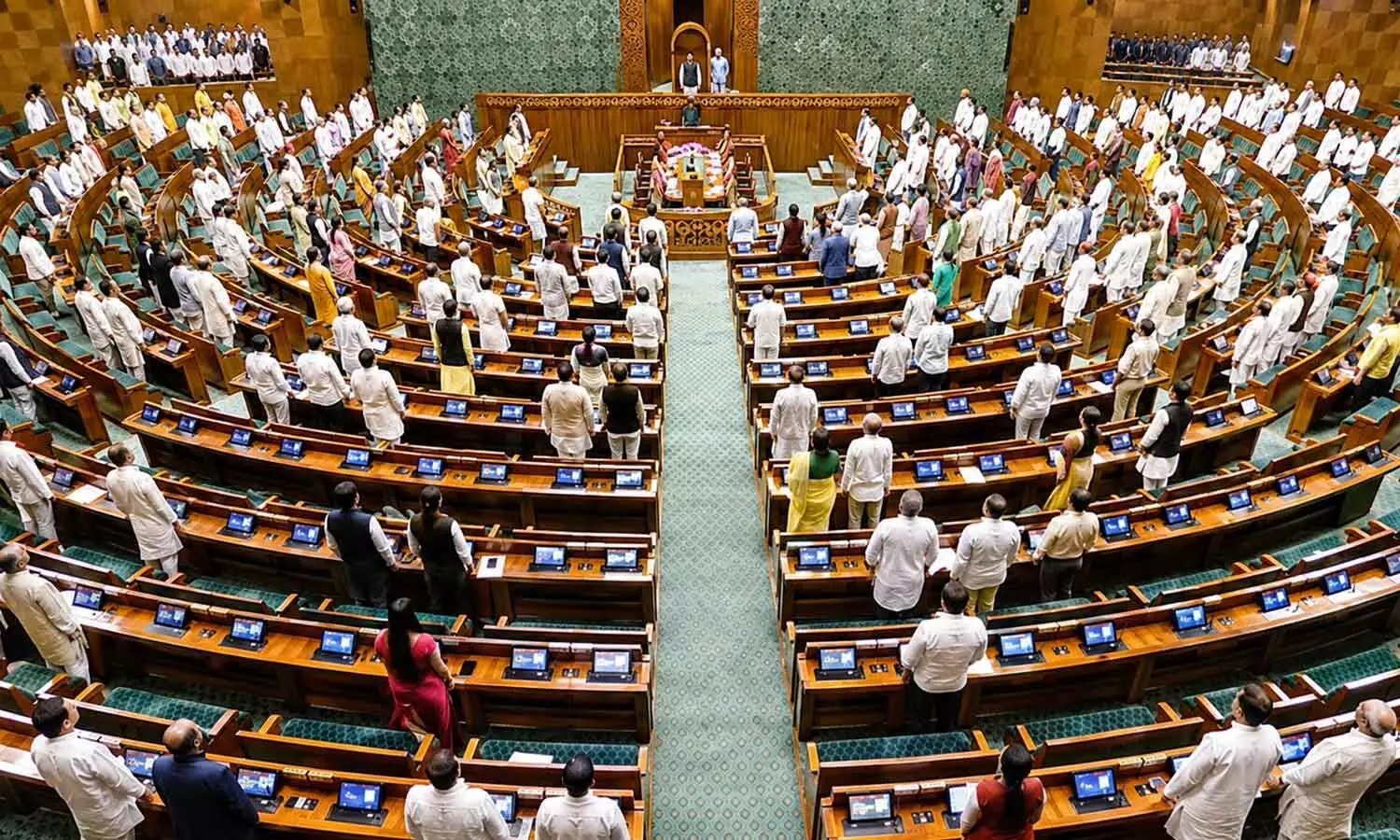
The government’s plan to convene a special session of Parliament to pass a Constitution Amendment Bill linked to the implementation of women’s reservation is a typically clever move that one can expect from the Bharatiya Janata Party (BJP). Too clever by half, one may say, for the winter session of Parliament is just a few days away. How on earth can empowerment of women be hit if the quota Bill waits for a few more days, especially when it has been hanging for years?
This is essentially virtue-signalling by the saffron establishment, which is being buffeted from all sides; even its core base, the so-called upper castes, is aghast at the dangerous UGC equity regulations and donation theft at the Ram Temple in Ayodhya. The government would require 361 votes to pass the Bill in the Lok Sabha, but government sources told a news agency that they were confident the required two-thirds majority would be secured easily. But will the government’s plans work? The proposed piece of legislation seeks to increase the maximum strength of the lower house from 543 to 850 seats through delimitation and stipulate 33 per cent seats for women in Parliament and state legislative Assemblies.
The government made it clear earlier that it would not disturb the proportion of representation from southern states, even though population growth there is much less than that in northern ones. The National Democratic Alliance (NDA) reportedly is of the view that this could be the last chance to come up with the women’s quota Bill before the 2029 general elections. It has been bundled together with the Delimitation Bill and a Union Territories Laws (Amendment) Bill.
The government and the NDA may make tall claims about their commitment to women empowerment, but it is evident that the move is aimed at diverting attention from more important issues like the growing discontent among upper castes, donation theft, the demand for the removal of Chief Election Commissioner Gyanesh Kumar, and deadly air pollution in north India. Each of these developments has the potential to dent the ruling party’s credibility and, more importantly, expose the widening disconnect between its political rhetoric and governance record.
UGC regulations have alienated a section of the very constituency that has traditionally provided unwavering support to the BJP. The controversy over donations is particularly embarrassing for a party that has made the
Ram Temple a potent symbol of its ideological and political project. The demand for Kumar’s removal, meanwhile, has added to the political heat surrounding the Election Commission and its perceived impartiality. And the annual winter pollution crisis in north India is a reminder of the state’s persistent inability to protect citizens from a public-health emergency that is entirely foreseeable. Instead of addressing these issues, the government appears keen to change the political conversation by appropriating the moral high ground of women’s empowerment.
The strategy is not without electoral logic: few political parties would risk opposing a measure that ostensibly advances gender equality. But legislative urgency cannot be manufactured merely to create a favourable political spectacle. Nor can a special session, however dramatic, substitute for answers on governance failures. The BJP may succeed in putting the Opposition on the defensive, but it cannot indefinitely wish away the disquiet within its own support base or the questions confronting the government at this juncture.


