




Sleep talking is not funny, it is serious business
In Short
Sleep is not one single thing; one goes through several stages of sleep every night.

Share :
Sleep talking is not funny, it is serious business
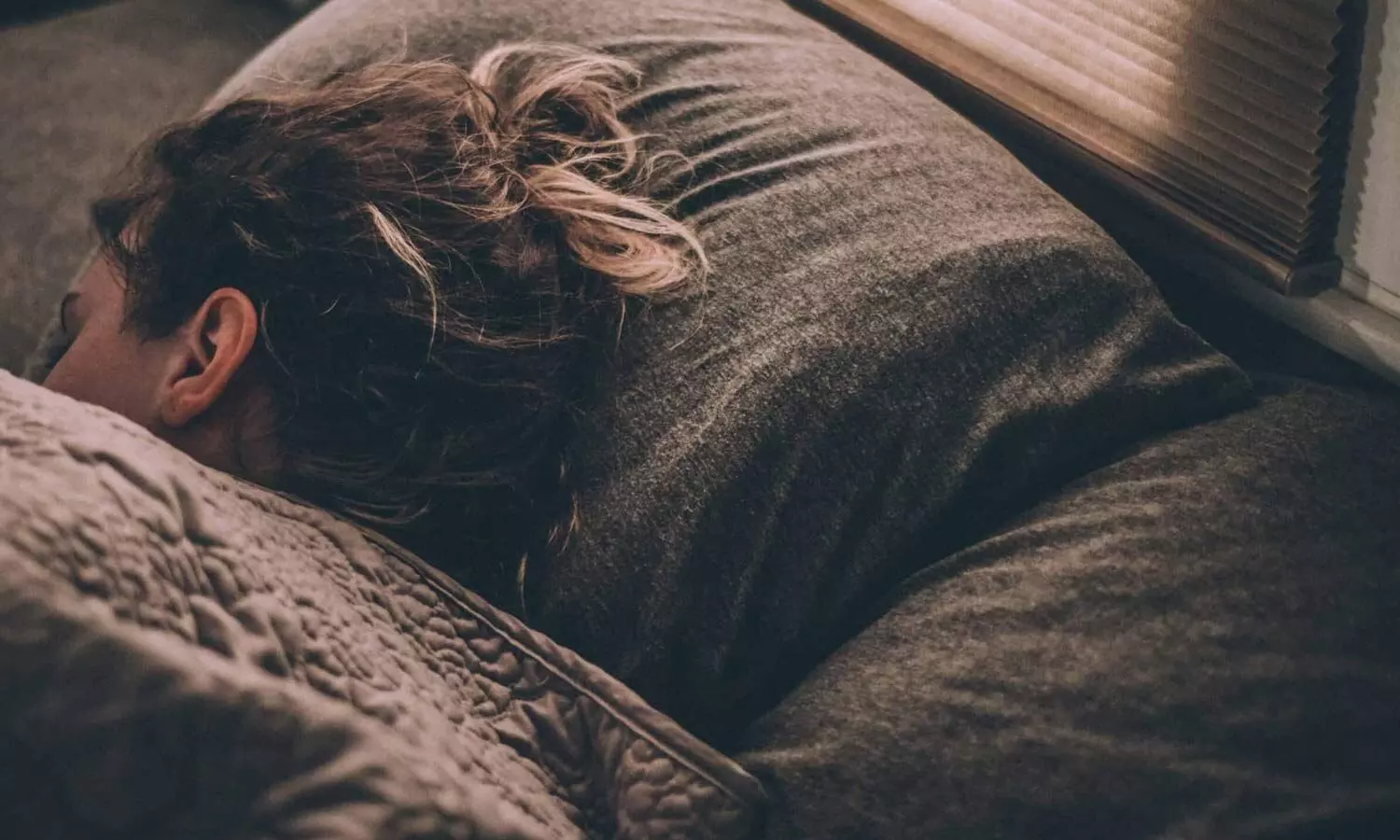
Oneof the popular jokes that has been making social media rounds shows a harassed husband and a puzzled wife sitting before a doctor. The spouse describes her partner’s problem of talking during sleep, which disturbs hers. The doctor, with a humorous touch to his diagnosis replies: Ma’am, let him at least be free to open his mouth and talk when he is asleep’. Jokes apart, sleep talking can occur due to triggers like emotional overload which stimulates the nervous system and fragments sleep, sleep deprivation - not getting enough rest disrupts normal brain rhythms. Fever or illness can be another reason with high fevers altering normal brain function during rest. Additionally, alcohol consumption disrupts the natural progression of sleep cycles and genetics which means sleep talking often runs in families.
A sleep psychologist from Mississippi State University explains it in simpler terms: ‘Scientists think that sleep talking happens when parts of the brain responsible for language and speech are active while other parts of the brain that would typically prevent your mouth from physically talking are asleep. For the most part, sleep talking is not even words like mumbles, laughs or whispers. If a sleep talker does use language, it is most commonly the word “no” that’s about five per cent of all words that are said while one is asleep. If the sleep talker is uttering something, they’re often questions and sometimes profanity. Rarely are they polite, and it often sounds like they are at loggerheads with someone. Researchers suspect one might be overhearing one side of a verbal exchange from a sleep talker’s dream. What a sleep talker is saying out loud during REM sleep matches what they’re dreaming about at that moment about 80 per cent of the time, according to studies in sleep labs. You may be able to interact with someone who is sleep talking; researchers have found that roughly half the time a sleep talker will respond to a spoken question or statement.’
Sleep is not one single thing; one goes through several stages of sleep every night. About a quarter of sleep is what’s called REM sleep, short for rapid eye movement. This is the stage when most dreams, especially the vivid ones, happen. Non-REM sleep, which includes the deeper stages of sleep, usually takes up between 75 per cent and 80 per cent of your night. It is an important stage of sleep where your body really throttles down, allowing it to rest and repair itself. Doctors refer to these stages as your sleep architecture. People go through cycles of these stages roughly every 90 minutes each night. Non-REM sleep makes up more of your sleep right after bedtime, and then REM becomes a higher proportion of sleep in the early morning hours. The message is clear: Sleep talking is more of a health issue, which could be a potent combination of physical and psychological reasons. It may merit attention if it begins to disturb the rhythms of relationships within households.


