




- 30 injured as NDA cadres clash in Kurnool
- Tense moments in Arlabanda over alleged poll rigging
- Kurnool and Nandyal record 70.16% turnout in local body elections
- MPTC, ZPTC vote counting IN 9 centres
- SAMARTH app helpful to Bapatla police
- Young voters return from distant cities to cast votes
- Fire dept launches statewide awareness drive for safe Deepavali
- APPSC Group-I Evaluation Scam: ED seizes documents, digital devices during raids
From polka dots to florals: A timeless classic reimagined for today’s woman
In Short
They offer an accessible entry point into traditional dressing while allowing enough room for experimentation.

Share :
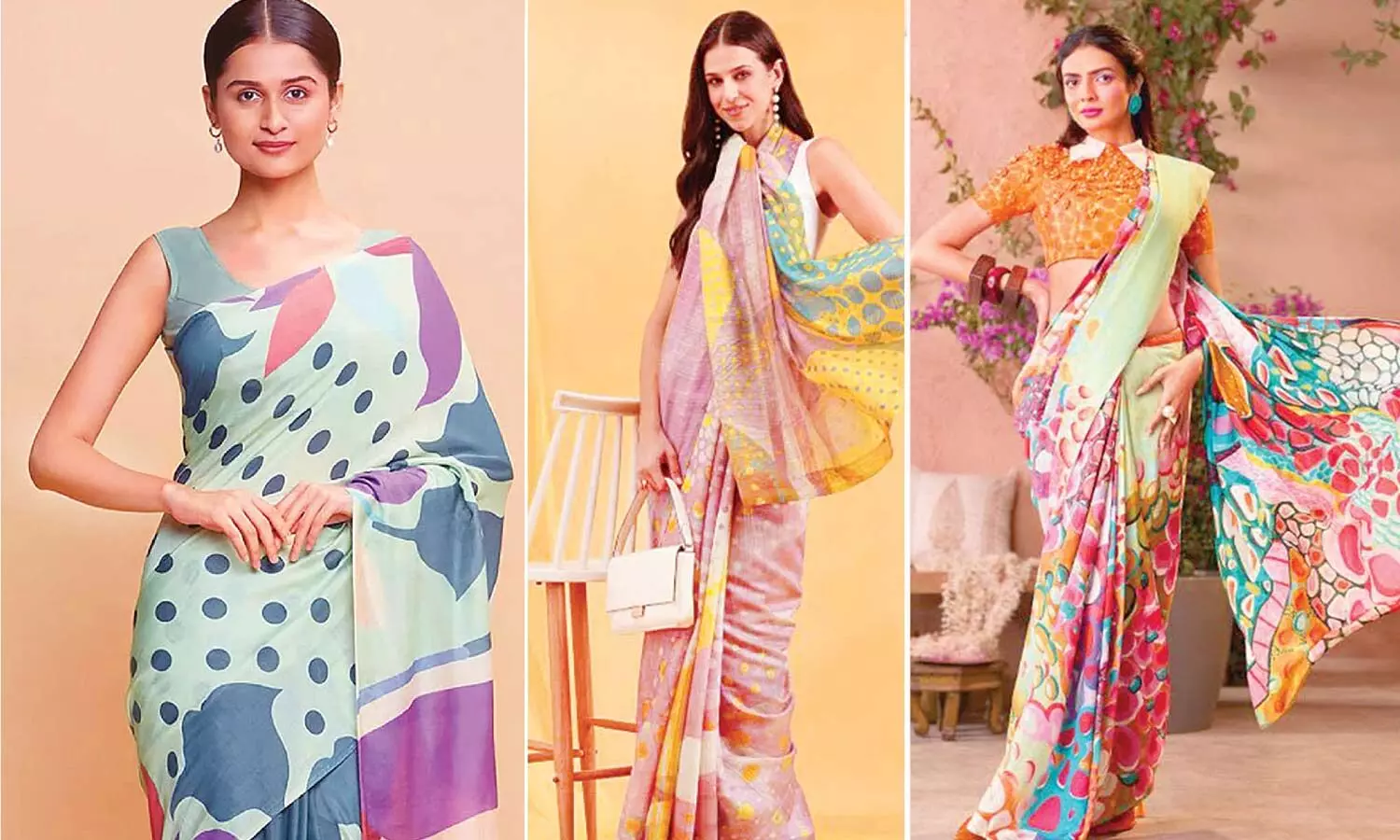
From polka dots to florals: A timeless classic reimagined for today’s woman
The saree has always held a special place in the Indian wardrobe. What makes it truly timeless is its ability to evolve with every generation while staying rooted in our culture. Over the years, women have embraced the saree in different ways, experimenting with drapes, blouses, colours and fabrics to make it their own. Today, printed sarees are finding their way back into the fashion conversation, and this resurgence reflects a larger shift in how women approach traditional dressing.
Prints have always been an integral part of Indian fashion. From playful polka dots to delicate florals, they carry a sense of familiarity and nostalgia while leaving plenty of room for contemporary interpretation. Their renewed popularity is a reminder that fashion does not always need something entirely new; sometimes, a familiar classic simply needs to be seen through a fresh lens. With their timeless appeal and versatile designs, printed sarees bring together traditional aesthetics and modern-day comfort.
The Timeless Appeal of Polka Dots and Florals
Polka dots have a charm that is difficult to overlook. They are playful without being overwhelming and can lend a saree a sense of character without taking away from its elegance. Depending on the scale of the print, colour palette and styling, a polka dot saree can feel understated and effortless or make a more distinctive fashion statement.
Floral prints, on the other hand, bring a sense of softness and expression to the saree. While smaller florals in muted shades offer a subtle, understated appeal, larger and more vibrant patterns allow women to experiment with colour and make a statement. The right fabric enhances the movement of these prints, allowing the saree to fall gracefully while offering a comfortable wearing experience.
What is particularly interesting is how these prints appeal to different age groups and personal styles. They are familiar, yet they never have to look the same. Their return is not simply about revisiting an older trend; it is about rediscovering styles that have always been relevant and adapting them to how women want to dress today.
Why Fabric Makes All the Difference
While prints often catch our attention first, the fabric is what ultimately shapes the wearing experience. A beautiful print can make a saree visually appealing, but its drape, softness and movement determine how comfortable and confident a woman feels wearing it. This becomes particularly important in India, where clothing needs to work across different climates, occasions and lifestyles.
Lightweight fabrics with a soft feel and fluid drape offer an appealing combination of style and comfort. They allow printed sarees to move beautifully with the wearer while lending them a relaxed yet elegant finish.
As consumer preferences evolve, comfort has become just as important as aesthetics. Women are increasingly looking for garments that feel as good as they look — pieces that are soft against the skin, comfortable to wear and versatile enough to transition across occasions. Designers are exploring prints, colours and silhouettes while keeping the wearing experience at the heart of their creations.
Making the Saree Your Own
One of the most encouraging shifts in Indian fashion is the way women are making traditional attire their own. The saree is no longer restricted to a particular occasion or a prescribed way of wearing it. A printed saree can be paired with a simple blouse for an understated look, styled with contemporary jewellery for an evening out, or worn with a statement blouse to give it a more modern character.
The ease and versatility of the saree further expand these styling possibilities. Whether it is a busy day that calls for effortless dressing or a social occasion that demands a more elevated look, a thoughtfully designed printed saree can adapt to different settings through simple styling choices.
These choices reflect a larger change in mindset. Women are not moving away from tradition; they are finding new ways to connect with it. They want clothing that allows them to express their individuality while retaining the familiarity and cultural significance of what they wear. They also expect their garments to offer comfort, versatility and a sense of ease.
This is one of the reasons printed sarees are resonating once again. They offer an accessible entry point into traditional dressing while allowing enough room for experimentation.
A Classic That Continues to Evolve
Fashion trends will always come and go, but certain styles have a way of returning because they hold a lasting appeal. Printed sarees are a good example of this. Their resurgence reflects a growing appreciation for familiar designs, thoughtful fabric choices and versatile styling that works for the modern woman.
As the fashion landscape continues to evolve, the opportunity lies in reimagining these classics rather than replacing them. The saree has already demonstrated its ability to adapt across generations, and printed sarees are another expression of that evolution. The combination of enduring prints, contemporary design and comfortable fabrics demonstrates how traditional attire can evolve to meet changing consumer expectations.
Ultimately, the future of traditional fashion lies in its ability to remain relevant without losing what makes it special. When timeless prints meet comfortable fabrics and contemporary styling, the saree becomes more than an expression of heritage. It becomes a garment that women can interpret, personalise and continue to make their own - one that celebrates tradition while embracing the comfort, versatility and individuality of modern dressing.
(The writer is a Head of Design at Liva)


