






- US floats Donbas for NATO deal
- ‘Break India vector’: BJP attacks Congress over Bharat Summit
- Gujarat Dy CM reviews law and order, calls for stepped-up action against drugs
- Manipur security operations to be intensified to nab culprits behind violence, CM chairs high-level review meet
- ‘PM doesn’t do it’: Sam Pitroda on Rahul Gandhi’s phone tap claim
- Trinamool MP Abhishek Banerjee appears before Kolkata Police for questioning over CEC post
- Thanjavur farmers carry water in pots to save withering Samba crops
- Elon Musk Joins 43,000 Signatures Seeking Jensen Huang’s Return to Nvidia
Gratitude as a wellness practice
In Short
What Chhath Puja teaches us about mental and emotional balance

Share :
Gratitude as a wellness practice
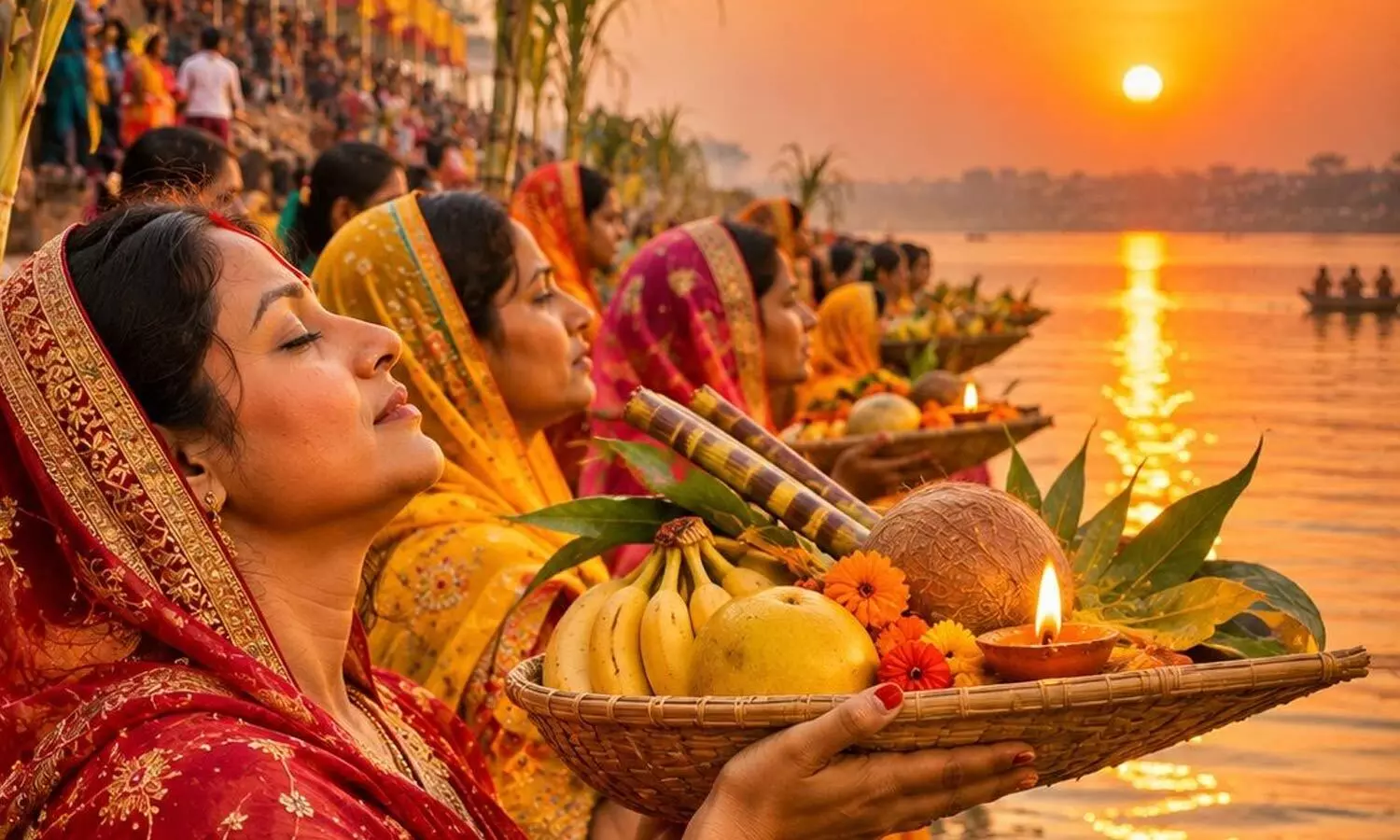
Gratitude is not just appreciation. It’s a way of acknowledging the forces and energies that keep us alive. One of its most beautiful cultural expressions is Chhath Puja, a festival devoted to the Sun, the universal source of light, warmth and life.
In Indian culture, Sun is worshiped as Surya Dev, a symbol of vitality, consciousness and strength. Every plant, animal and human relies, directly or indirectly, on solar energy to survive. Chhath Puja celebrates the basic relationship between humans and nature by offering to the rising and setting Sun and thanking him for the energy that allows us to exist.
How Gratitude Affects Wellbeing
The practice of expressing gratitude has many benefits for a person’s emotional well-being. By recognizing what one has received for, one’s attention shifts from constant anticipation of something to appreciation of what already is. Research shows that people who regularly express gratitude are better at regulating their emotions and have a greater degree of satisfaction with life. They also tend to have less perceived stress.
According to Himalayan yogic wisdom, gratitude is not just a mental practice to be cultivated but an alignment of the spirit with universal energies that are manifested in the natural world.universal energies, creating humility, awareness and a deeper connection with nature.
Siddhohum Kriya: Five Steps to a Practice of Gratitude
The Science of Siddhaa presents Siddhohum Kriya, a simple Himalayan practice based on the practices of the Siddhas given by Himalayan Siddhaa Akshar. This five step sequence weaves together mudras, mindful movement, intention and gratitude and when practiced daily can become a meaningful way to cultivate awareness and connect with universal energy.
1. Pranam – Salutations to the Energy
Stand in Samasthiti and form Prana Mudra by joining the tips of thumb, ring finger and little finger. Bow down in respect to the universal energy that sustains us.
2. Seeking - Communion with the Universe
Reach arms overhead shoulder distance apart with palms facing up toward the sky. Look upward, and recognize what you want from the universe, intending it, but being open to possibilities.
3. Prapti – Attainment
Prapti Mudra is performed by cupping your open palms upward into a relaxed, bowl-like shape and then resting your hands on your knees or thighs. This step is about being open to receive all the energies and opportunities that life has to offer.
4. Gratitude – Offering Respect
Place your hands over your heart and close your eyes. Offer your thanks and respect for all the blessings, experiences and the energies that are supporting you in your life. Feel the appreciation.
5. Samasthiti – Returning to Stillness
Return to Samasthiti. Stand upright, breathe naturally and observe the awareness within you.
For Chhath Puja, we can do water offering to the Sun, practice of Surya Namaskar, chanting Om Suryaya Namaha, Hey Surya Dev, Prasann Ho and offer food to the needy. These practices can make us realize that we are interconnected with everything around us and the natural energies that are supporting us.
At the end of the day gratitude is a practice. Through Siddhohum Kriya and the spirit of Chhath Puja, we can deepen our relationship with nature, harmonize our emotional lives and attune ourselves to the universal energy that sustains all.
(The writer is an author, columnist, yoga and spiritual leader and founder: Akshar Yoga Kendraa)


