




- Madras High Court upholds resignation of 6 AIADMK MLAs
- IIT Hyderabad, Japan’s Mie University join hands for semiconductor research
- Depriving citizens of the right to vote endangers democracy
- Punjab assures time-bound resolution of farmers' demands
- Kerala's electoral roll revision puts spotlight on CEO's multiple charges
- L Murugan Resigns As Union Minister, Says He Wants To Strengthen BJP In Tamil Nadu
- Kumaraswamy urges Siddaramaiah to fight sting operation conspiracy
- 'Want to strengthen BJP in Tamil Nadu': L. Murugan seeks to quit as Union Minister and Rajya Sabha member
Healthy-looking hair in the pollution season: Where does henna cream fit in?
In Short
As pollution and dry weather take a toll on hair during the colder months, maintaining moisture, shine and colour becomes essential. Henna creams offer a plant-based alternative for colouring hair, combining traditional botanical ingredients with the convenience of modern hair care routines

Share :
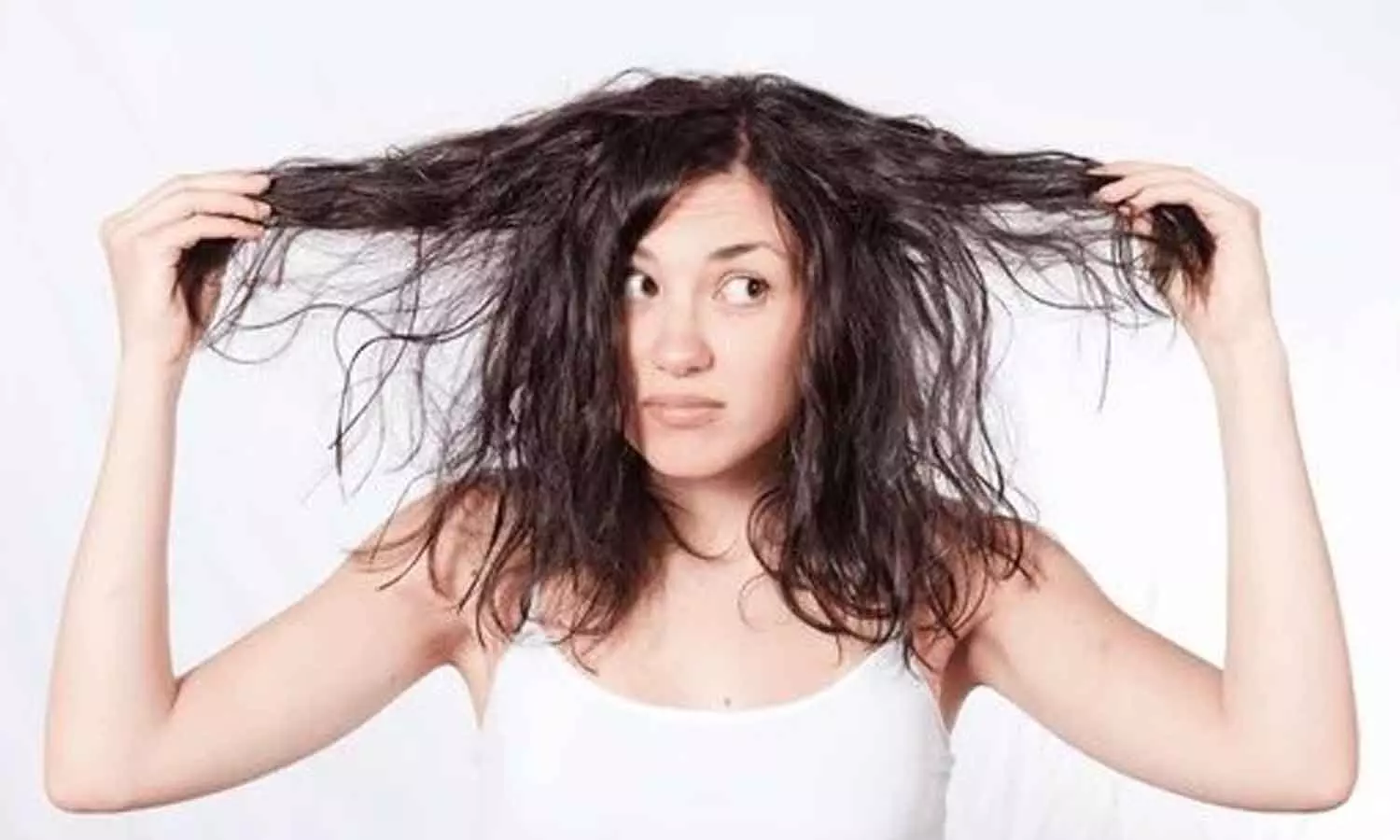
The colder months bring simple delights – gentle sunlight, warming layers, and long days – but they can also bring increased pollution, which can put hair to the test. With a careful routine, hair can remain glossy, comfortable, and vibrant. For those who colour their hair, henna cream provides an all-natural approach, resulting in hair that looks richly toned and feels wonderfully healthy.
Keeping Hair Resilient Through Pollution Season
Hair exposed to pollution gathers all sorts of dust and dirt, and one is bound to wash more frequently than usual. When combined with the dryness of this weather, frequent washing can result in a lack of moisture in the hair, and a roughened surface reflects light unevenly. For this reason, it is common for coloured hair to lose its spark. The aim should be to cleanse appropriately while ensuring conditioning as well.
Henna Creams: A Natural, Gentle Way to Colour Hair
Henna is made from the dried and ground leaves of the Lawsonia inermis plant and has been used for colouring hair for many generations. The natural dye combines with the keratin present in the hair, giving the strands a deep red-brown colour which becomes darker with each application. As henna colours the hair by coating the strands rather than through chemical treatment, it provides a natural alternative to traditional hair colour.
Henna creams bring an element of modernisation to this traditional practice. They are pre-mixed, require no soaking, and apply smoothly into the hair, making home colouring easy and enjoyable. They are also quite easy to fit into your existing regimen. They can be used on a regular basis as a colouring step that goes well with cleansing, weekly deep conditioning, and application of light oil to the hair. Leaving them on the hair according to the instructions provided will allow the colour to develop into a rich, even shade.
The Growing Preference for Plant-Based Formulations
Plant-based hair products are the first preference of many consumers who appreciate ingredients that are familiar, traceable back to a natural source, and safe on hair and scalp. Henna is one of the best examples. Hair products that have their origins in Indian botanicals are now combining henna with Amazonian herbs.
Knowledge of ingredients is also crucial. Some brands steer clear of ammonia and other ingredients such as ethanolamine, diethanolamine, and triethanolamine, which are known to accelerate the hair colouring process. There are many brands that follow policies that prohibit the use of thousands of harmful ingredients in their formulations.
A Considered Approach, Season After Season
The pollution season might be beyond everyone’s control, but the colour choice is not. Henna creams can provide the hair with an intense, plant-derived hair colour along with a hair conditioning effect in one easy-to-use format. Rooted in botanical tradition and suited to modern routines, it keeps hair looking radiant in any season.
(The writer is a founder & CEO of Surya Brasil)


