




Regular periods do not always mean normal fertility
In Short
What your menstrual cycle can and cannot tell you

Share :
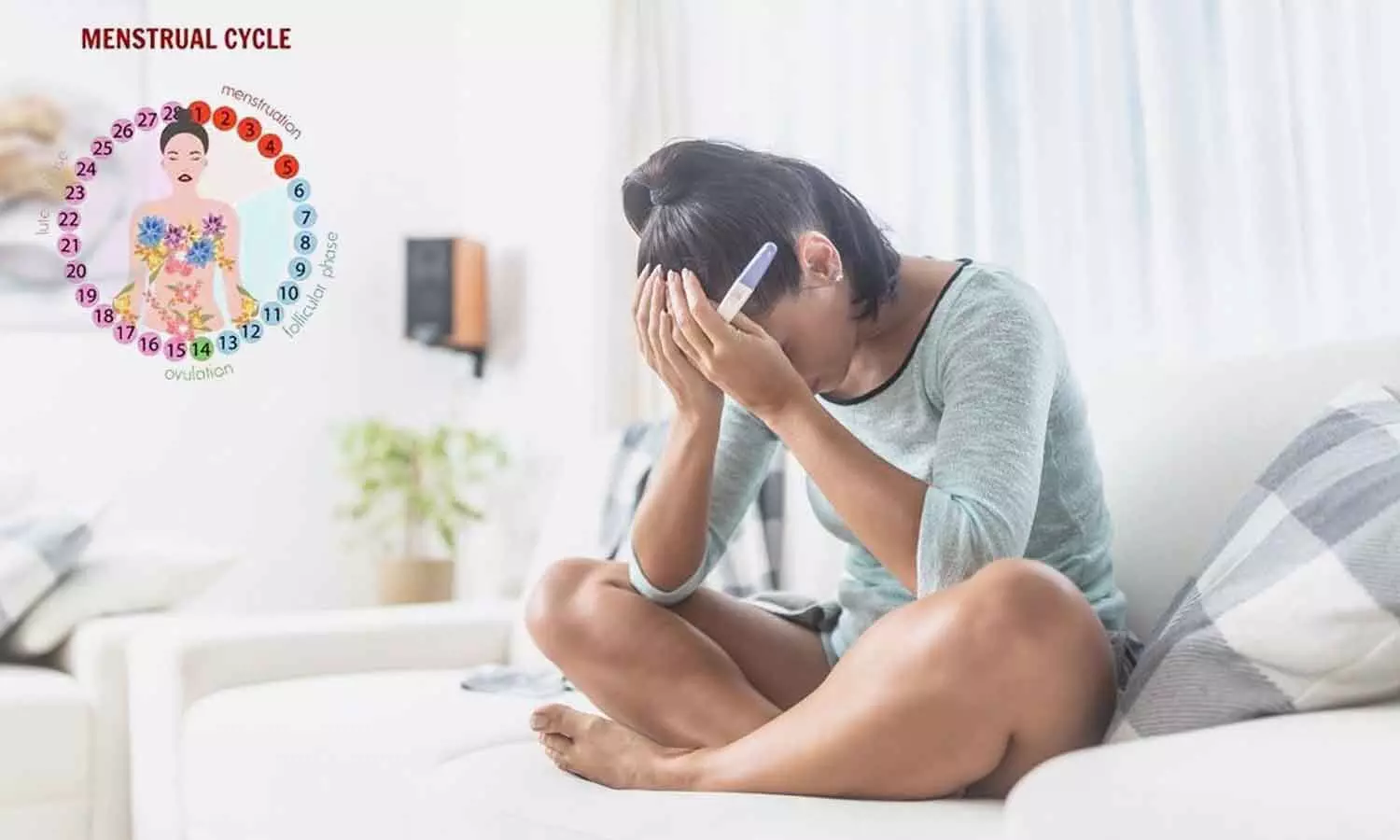
Regular periods do not always mean normal fertility
Regular periods can be a reassuring sign, but they do not always guarantee normal fertility. From ovulation and egg quality to fallopian tubes and male factors, several elements play a role in conception
A regular menstrual cycle is often reassuring. If periods arrive every month, last for a predictable number of days and do not cause unusual symptoms, many women assume that their reproductive health must also be normal. However, regular menstruation tells us only part of the story. A woman can have predictable periods and still have difficulties with ovulation, egg quality, the fallopian tubes, the uterus or other factors that influence conception.
What Regular Periods Actually Tell You
A reasonably predictable cycle generally suggests that the hormonal signals controlling the menstrual cycle are functioning in a coordinated manner. In many women, regular cycles are associated with regular ovulation. However, menstruation itself does not prove that ovulation has occurred every time.
This distinction is important. A woman can experience bleeding even when ovulation has not occurred, particularly in certain hormonal conditions. Conversely, some women with regular cycles may ovulate but still have another fertility-related issue that prevents conception.
Ovulation is only one step in the reproductive process. For pregnancy to occur, an egg must be released, sperm must reach and fertilise it, the resulting embryo must travel through the fallopian tube, and the embryo must successfully implant in the uterus.
Fertility Is About More Than Ovulation
One of the most commonly overlooked causes of infertility in women with regular periods is tubal disease. Previous pelvic infections, sexually transmitted infections, endometriosis, abdominal or pelvic surgery and certain other conditions can damage or block the fallopian tubes. The woman may continue to have perfectly regular periods because the ovaries and menstrual cycle are still functioning. However, if the fallopian tubes are blocked, the sperm and egg may not be able to meet.
This is why a woman should not assume that regular periods mean that her reproductive tract is necessarily functioning normally.
Egg Quantity and Egg Quality Are Different Questions
Another important misconception is that regular periods indicate that a woman has a good ovarian reserve.
Ovarian reserve refers broadly to the remaining pool of eggs. Tests such as AMH and antral follicle count can provide information about ovarian reserve, although they cannot independently predict whether a woman will conceive naturally.
More importantly, ovarian reserve and egg quality are not the same thing. Egg quality is strongly influenced by age, particularly because the proportion of eggs with chromosomal abnormalities increases with advancing maternal age.
A woman in her late 30s or early 40s may therefore have regular ovulation and periods but face reduced fertility because the likelihood of obtaining a chromosomally competent embryo declines with age.
Endometriosis Can Remain Hidden
Regular periods also do not rule out endometriosis.
Endometriosis occurs when tissue similar to the uterine lining grows outside the uterus. It can affect the ovaries, fallopian tubes and surrounding pelvic structures and may contribute to infertility through inflammation, adhesions and changes in pelvic anatomy.
Some women have severe period pain, pain during intercourse or chronic pelvic pain, but others may have relatively mild symptoms. Therefore, absence of dramatic menstrual symptoms does not completely exclude endometriosis.
What About PCOS?
Polycystic ovary syndrome is often associated with irregular periods, but its presentation is not identical in every woman. Some women with PCOS can have relatively regular cycles and still experience problems related to ovulation or metabolic health. This is particularly relevant when there are other features such as excess androgen symptoms, insulin resistance or difficulty conceiving.
Therefore, fertility assessment should consider the entire clinical picture rather than using cycle regularity as the sole indicator of reproductive health.
The Male Factor Also Matters
Fertility is not exclusively a woman’s health issue. Male factors contribute significantly to difficulties conceiving, and a routine semen analysis can provide important information about sperm concentration, motility and morphology. A woman with completely regular periods may spend months undergoing hormonal investigations when the relevant issue lies with sperm quality. This is why both partners should ideally be assessed when pregnancy is not occurring as expected.
When Should a Woman Seek Evaluation?
For couples without known fertility problems, medical guidance is generally recommended after 12 months of regular, unprotected intercourse without conception when the woman is under 35. For women aged 35 or older, evaluation is generally recommended after six months. The threshold is lower when there are known risk factors, such as previous pelvic surgery, endometriosis, significant menstrual abnormalities, previous chemotherapy, suspected tubal disease or a known male fertility problem.
Age itself is also an important consideration. Women who are approaching or over 40 may benefit from discussing fertility earlier rather than waiting for a prolonged period.
Regular Periods Are Reassuring, But Not a Fertility Test
A predictable menstrual cycle is certainly a positive sign, particularly when it indicates regular ovulation. But it cannot confirm egg quality, tubal patency, uterine health or the fertility potential of a partner. The important shift is to stop viewing menstruation as a single test of fertility. A woman’s reproductive health is the result of several interconnected factors, and regular periods represent only one piece of that picture.
For women planning pregnancy, understanding this distinction can prevent both false reassurance and unnecessary anxiety. The absence of menstrual problems does not mean fertility is guaranteed, just as difficulty conceiving does not automatically mean that something is wrong with the menstrual cycle.
(The writer is a Fertility Specialist)


