




The alchemy of underworlds: Avni Doshi on divorce and rebirth
In Short
Marriage, divorce and the quiet strength of women form the emotional landscape of Avni Doshi’s second novel, ‘The First House’. In a candid conversation, the author reflects on creativity, motherhood, female solidarity and the small shifts that shape life and relationships

Share :
The alchemy of underworlds: Avni Doshi on divorce and rebirth
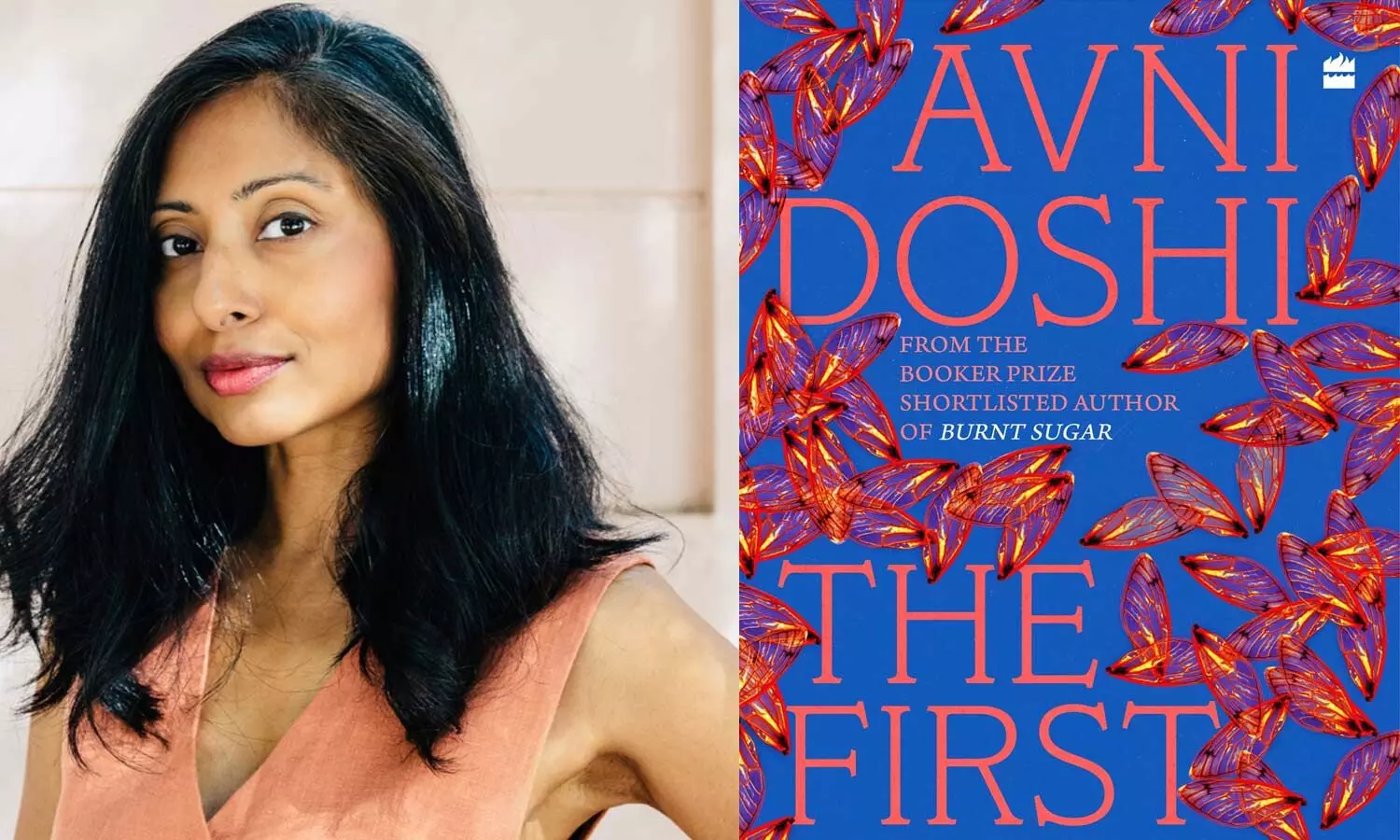
If Mount Olympus represents the domain of marriage, divorce is its brutal Underworld. In Greek mythology, Hermes holds a dangerous privilege as the divine messenger between these realms. For readers of ‘The First House’ (HarperCollins India), Booker Prize-shortlisted author of ‘Burnt Sugar,’ Avni Doshi is Hermes, guiding them through the abyss of a breaking marriage and towards the other side. Incidentally, Hermes is one of Doshi’s favourite characters.
Throughout the video interview, Doshi deeply engages with her thoughts, her expressiveness mirroring the emotional depth of her prose. A staunch believer in creating art beyond lived experiences, Doshi says, “That’s just being part of a human lineage where these boundaries are permeable, and we’re able to understand things beyond our immediate purview of experience.”
The beheading of a marriage is a vivid entry point. She leans towards the screen with a smile. “I think you can have a breakup that can feel like a divorce?”
Then she grows a little serious. “I’ve seen enough women go through it, and I’ve seen them struggle in marriages and stay married… It’s an act of listening.”
Listening. An essential to Doshi’s writing. Her characters, too, reveal themselves to her as voices. “I’m kind of a mystical person. I’ve done Jungian analysis, but even with that, meeting the voice isn’t a scientific act. For me, it might be a ghost, a spirit, an ancestor. It might just be my psyche, you know?” Her eyes actually twinkle on screen. “It’s an act of receiving from the other.”
That receptiveness sits alongside an exhaustive editing process. “I sit myself and read each sentence until my throat hurts,” she says, massaging her throat.
She’s also very protective of her work while it’s taking shape. “For me, it’s important not to share too much at the beginning.” Her eyes widen. “It’s like opening an oven too soon and letting the heat escape. The heat has to stay inside the pot.”
Doshi believes the creative process is alchemical and invisible; it happens inside the pot. Motherhood, too, shapes one’s creativity. “Motherhood’s a strange thing, but also it can become a very, very creatively generative place to be.”
She recalls a friend/teacher outlining a short story while waiting to pick up her children. “It’s funny how we find ways to be creative as mothers,” she says, stroking her hair gently.
Speaking of women who nurture, the book’s dedication to ‘maasis’ brings the biggest smile on her face. “Maasi is a powerful role. I’m very lucky and grateful to have had women of my mother’s generation, whether it’s her friends or sisters, who saw me as a human being (when I was a child) and noticed potential in me.”
The dedication is a recognition of that circle of care. In ‘The First House,’ nurturing is represented through female solidarity carried by the narrator’s sister, her cousin, her mother, Goddess Diana, and her neighbour whose lawn houses a replica of the goddess’s statue. Through micro moments, these presences sustain the narrator, who herself has little agency. Doshi pushes back against the idea of agency as grand acts of defiance. “As human beings, we have these myths of individualism. But we’re fated to do certain things. We don’t concern ourselves so much with breaking the mould. Most of life is lived through small shifts that feel enormous. And rebirth is very scary.”
That’s what her second book is about.


