




- Pitroda wishes PM Modi good health, says completing 25 years is ‘accomplishment in its own way’ (IANS Exclusive)
- CM Adhikari credits BSF-police coordination for curbing border crimes in Bengal
- SC seeks ECI response on Rahul Gandhi’s plea against SIR, flags conduct of one petitioner
- India’s ethanol supplies reach 987 crore litres by Sep end: Report
- BJP to finalise Bengal civic poll candidates by Diwali; adopts multi-tier screening, eyes professionals
- India’s pharmaceutical market posts strongest monthly growth in three years
- Reliance Digital’s #PROHappy campaign cuts iPhone 17 Pro price to Rs 56,990
- India’s passenger vehicle wholesales rise 21.8 pc to 4.54 lakh units in Sep: SIAM
Can Chess Coaching Become a Full-Time Profession? Upstep Academy Thinks So
In Short
Can chess coaching become a full-time profession? Discover how Upstep Academy is turning chess expertise into a rewarding career through professional coaching.
Share :
Can Chess Coaching Become a Full-Time Profession? Upstep Academy Thinks So
Until recently, the career pathway in chess seemed relatively straightforward. A dedicated chess player would compete, increase his rating, strive for championships and find out how far one can go by playing chess professionally.
However, not every skilled chess player becomes a Grandmaster and plays in tournaments for a living. That, until now, meant that sooner or later he would need to look for another, steadier career away from chess.
This equation is changing.
As chess education gains more structure and organization, coaching itself is becoming a career. It is being shaped this way on a large scale in the framework of Upstep Academy – a platform that is built on the model of taking people from learning chess to teaching it professionally.
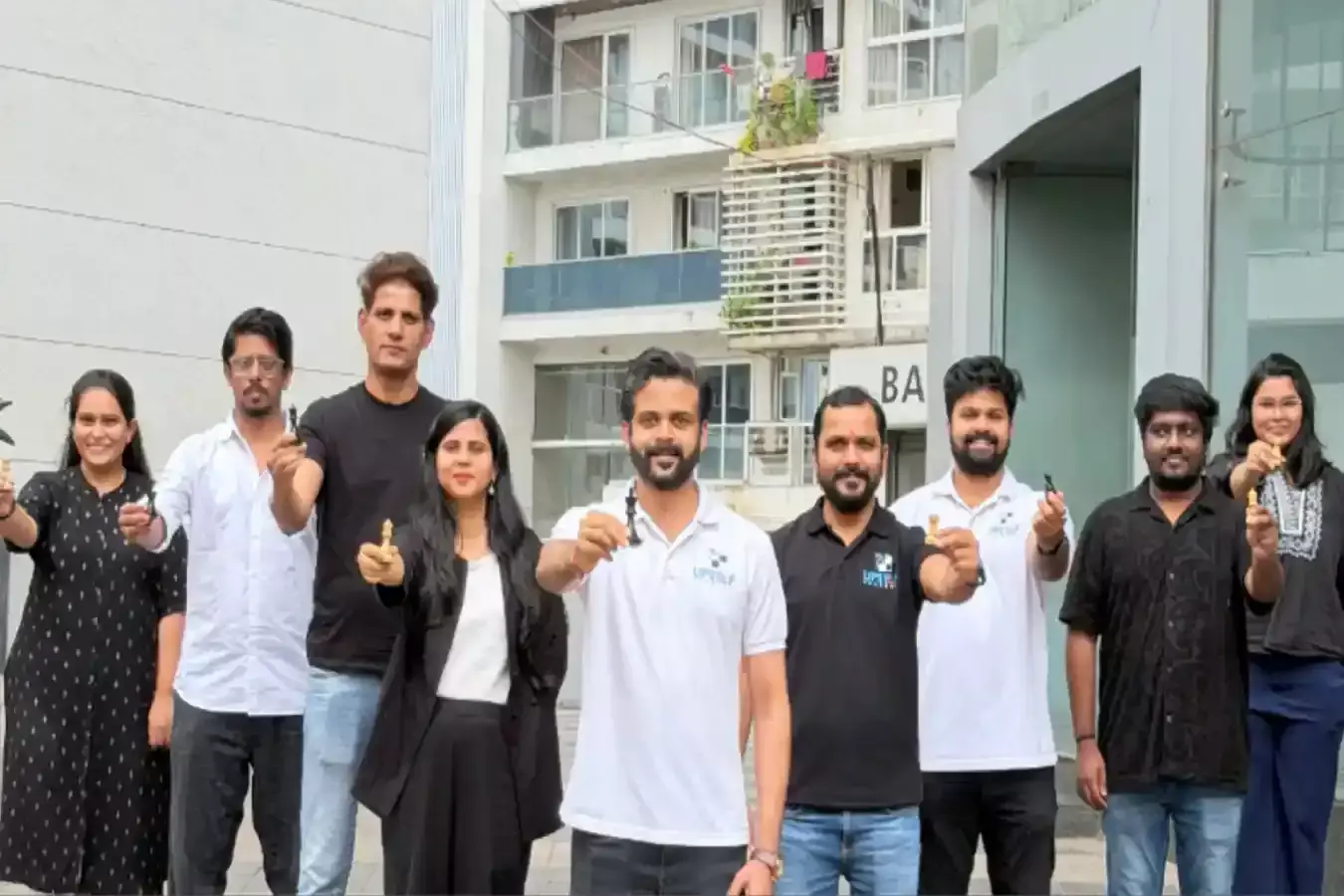
Having educated more than 35,000 children in over 20 countries, Upstep currently has with over 300+ coaches, most of whom work full-time for the academy. For most of them, coaching is not a side job. It is their career.
Playing chess and teaching chess are different skills
A player may immediately understand why a move is inaccurate. A coach teaching a young child must be able to explain why in a way that is simple, engaging and appropriate to the child's level.
This distinction shapes how Upstep recruits and develops coaches. Prospective coaches go through multiple stages of evaluation, followed by structured training before they begin taking classes. The focus is not only on what they know about chess, but also on how effectively they can teach it.
It also means that a title is not the only route into coaching.
Upstep works with GMs, IMs and other titled and FIDE-rated players, particularly for students progressing towards higher levels. But at foundational levels, the ability to simplify chess and connect with children can be equally important. As students advance, they are matched with coaches whose playing strength and experience suit their level.
Building a system around the coach
Making the coaching profession entails more than just hiring chess players.
Independent coaches have to source for students, create lesson plans, develop materials, set homework and communication on their own.
Upstep has already created most of the necessary infrastructure for the coach.
The curriculum outlines what the students study at each level, whereas the technology platform developed by Upstep offers the coaches lesson templates, chess positions, teaching materials, homework assignments and progress tracking system of students.
Thus, coaches do not have to design the whole learning experience by themselves.
There are dedicated teams handling coaching quality and coaching support, Relationship Managers dealing with families and an additional performance structure for the students competing in competitions.
From a coaching job to a coaching career
If coaching is ever to become a profession, there must also be a way forward.
At Upstep, coaches can progress from foundational students to teaching competitive players as their experience and capabilities develop. Senior coaching roles and a wider management structure create further opportunities for growth.
Furthermore, most of Upstep's 300+ coaches are with the firm full-time instead of splitting themselves between different academies.
Thus, coaching is viewed differently – from just an extra way to earn some money to a profession around which one builds his/her career.
Building careers around chess
India's chess story is usually told through Grandmasters, international tournaments and young players breaking records. But the growth of chess requires something else too: people who can teach the next generation.
Someone has to introduce the game to a beginner, recognise why an intermediate player keeps making the same mistake, and prepare an ambitious young competitor for stronger opposition.
That creates another kind of chess professional: the educator.
Not every person who spends years studying chess will make a living from playing tournaments. But choosing a stable career does not necessarily have to mean leaving the game behind.
With training, curriculum, technology and professional progression around them, coaches can build careers within the game they have spent years learning.
For a growing number of professionals at Upstep, the next move in chess is not necessarily across the tournament board.
It is teaching someone else how to make theirs.
Lightning alerts issued for several districts in AP in three hours
'Oppn leaders, students detained only to protect one man, Gyanesh Kumar': CJP's Dipke
Women's health, empowerment determines a nation's future, says CM Adityanath
Navratri 2026: 7 AI Prompts to Create Striking Festive Photos for Men and Women


