






- Ramayana Joins ₹1,000 Crore Club In Just 8 Days
- Microsoft Outage Explained: What Caused Microsoft Services to Crash Worldwide?
- Naidu talks about P4, elimination of poverty, etc in fireside chat
- Satheesan-Sukumaran Nair differences cleared; CM to visit NSS HQ after 5 years
- Google Search Gets Major AI Upgrade to Handle Complex Questions
- BJP chief Nitin Nabin takes holy dip in Ganga on first day of Chhath Puja
- Very disappointed that Cummins has thrown Khawaja 'under the bus,' says Warner
- Security tightened in B'luru ahead of PM Modi’s visit
Indian chefs take regional cuisine global: The new face of Indian food abroad
In Short
Indian cuisine is entering a new chapter on the global dining stage, with chefs increasingly moving beyond familiar staples to showcase the country's extraordinary regional diversity.

Share :
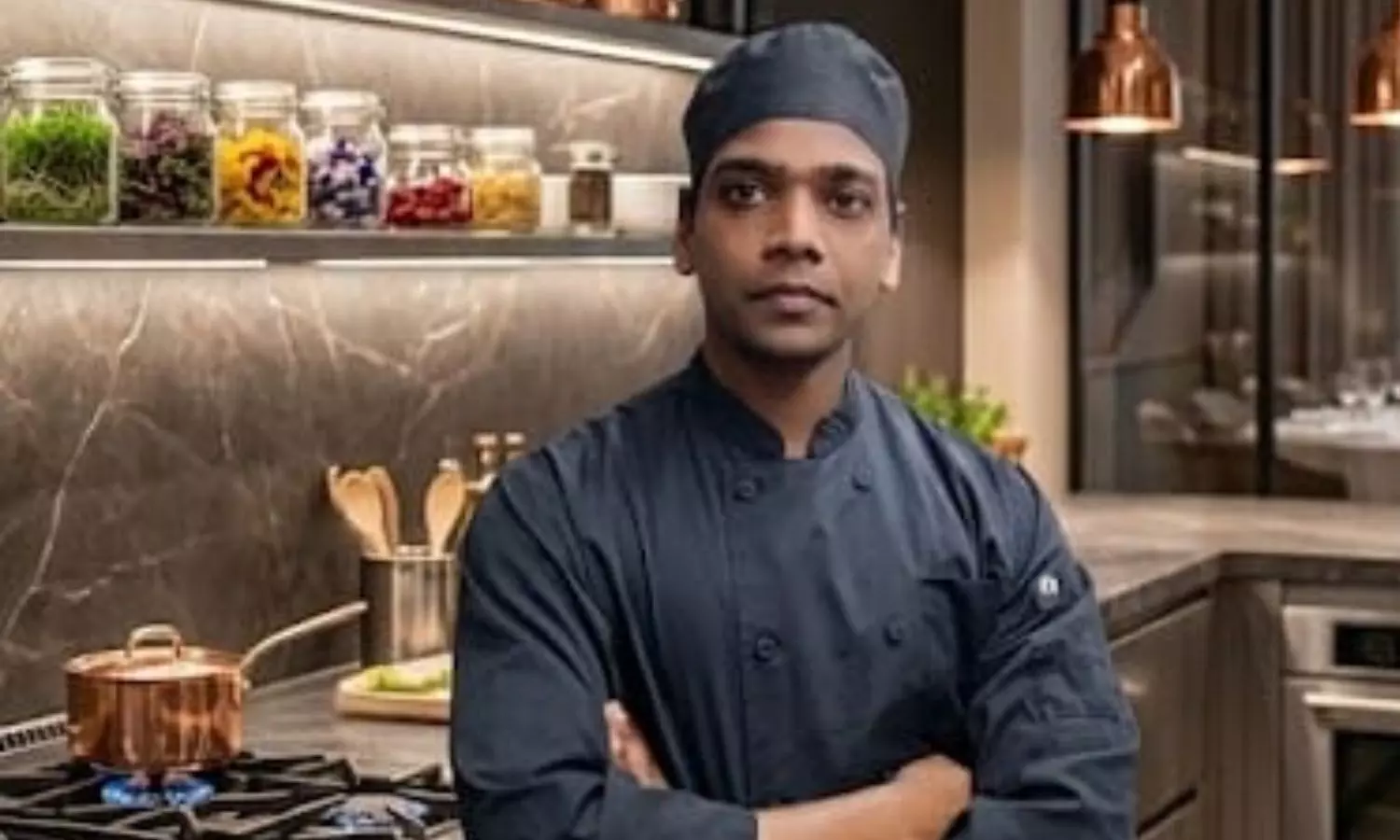
Vishal Kumar, Assistant Chef at Jashan by Dhaba
Indian cuisine is entering a new chapter on the global dining stage, with chefs increasingly moving beyond familiar staples to showcase the country's extraordinary regional diversity. From Punjabi and Awadhi cooking to Rajasthani, Bengali, South Indian, Kashmiri and coastal traditions, India's culinary identity is being presented with greater depth and authenticity in international markets.
At the centre of this transformation are Indian chefs who understand that taking Indian food global does not necessarily mean changing it to suit international palates. Instead, the emerging approach is to preserve traditional techniques, ingredients and flavours while presenting them in ways that appeal to contemporary diners.
For Vishal Kumar, Assistant Chef at Jashan by Dhaba, New Jersey, this movement represents an important opportunity for Indian chefs working overseas. The growing curiosity around regional Indian cuisine allows culinary professionals to introduce diners to dishes and techniques that go far beyond the limited perception of Indian food that has historically dominated international menus.
Recent industry commentary reflects this shift, with global diners showing greater interest in regional cuisines, traditional cooking methods and the stories behind the food they eat.
Moving Beyond Familiar Indian Dishes
For many years, Indian cuisine abroad was often represented through a relatively narrow selection of dishes such as butter chicken, naan, biryani, samosas and a handful of popular curries. While these dishes remain important ambassadors for Indian food, chefs today are finding opportunities to introduce international diners to a much wider culinary landscape.
Regional cuisine offers an enormous range of flavours, cooking methods and cultural histories. The use of distinctive spice blends, slow cooking, fermentation, charcoal cooking, clay-pot preparation and locally influenced ingredients creates culinary experiences that are different from one Indian region to another.
For chefs like Vishal Kumar, working in an international restaurant environment provides an opportunity to help communicate this diversity through food. Every dish can become an introduction to a particular region, community or culinary tradition.
Authenticity Becomes a Competitive Advantage
The growing interest in regional Indian food also reflects a wider change in consumer expectations. Today's diners increasingly want food with an identity and a story. They are interested not only in how a dish tastes but also in where it originated, which ingredients define it and which traditional techniques are used to prepare it.
This creates an important opportunity for Indian restaurants overseas. Rather than competing only through familiar dishes, restaurants can differentiate themselves through authentic regional menus, chef-driven storytelling and distinctive culinary experiences.
Industry coverage in 2026 has highlighted the growing demand for hyper-regional Indian cuisine, with diners increasingly looking for food that reflects specific places, communities and traditions rather than a generic version of Indian cuisine.
The Role of Young Indian Chefs
The next generation of chefs has an important role to play in this evolution. Culinary professionals working abroad are increasingly expected to understand both traditional Indian cooking and the expectations of international hospitality.
For Vishal Kumar, the role of an assistant chef is not limited to executing recipes. It also involves maintaining consistency, understanding ingredients, respecting culinary techniques and contributing to a kitchen culture where traditional flavours can be delivered to a diverse audience.
This balance between heritage and contemporary hospitality is becoming increasingly important as Indian cuisine gains greater visibility internationally.
Tradition Meets Modern Presentation
Taking regional Indian cuisine global does not mean that chefs have to remain restricted to traditional presentation. Modern plating, contemporary restaurant formats and carefully designed tasting experiences can provide new ways of presenting heritage recipes.
The key is ensuring that innovation does not remove the identity of the dish. Traditional techniques and flavour profiles can remain at the heart of a modern presentation, allowing chefs to create dishes that feel contemporary while still being recognisably Indian.
This philosophy is also reflected in the wider global movement toward chef-led restaurants, where culinary identity and storytelling are becoming increasingly important parts of the guest experience.
Indian Cuisine's Next Global Chapter
The international growth of regional Indian cuisine represents more than a restaurant trend. It is an opportunity to strengthen the global understanding of India's culinary heritage.
Chefs working in markets such as the United States are uniquely positioned to act as cultural ambassadors, introducing guests to regional ingredients, cooking traditions and stories that may be unfamiliar to them. Restaurants such as Jashan by Dhaba can serve as platforms where traditional Indian flavours meet the expectations of a modern international audience.
The growing global recognition of Indian chefs also demonstrates how culinary professionals can influence the way an entire cuisine is perceived. In 2026, the conversation around Indian food is increasingly shifting from familiarity to discovery—from simply recognising Indian dishes to understanding their regional origins and culinary context.
For Vishal Kumar and a new generation of Indian culinary professionals, this represents an exciting moment. The future of Indian cuisine abroad may not be defined by one signature dish, but by the extraordinary diversity of flavours, techniques and stories that India has to offer.
As international diners become more adventurous and knowledgeable, Indian chefs have an opportunity to take regional cuisine beyond borders while preserving the traditions that make it unique. The next face of Indian food abroad is therefore not just more modern—it is more regional, more authentic and more proudly rooted in India's culinary heritage.


