




Preparing Students for an AI-Driven World: The Growing Importance of Cybersecurity Education
In Short
Artificial intelligence (AI) is changing how students learn, access information and interact with digital platforms.

Share :
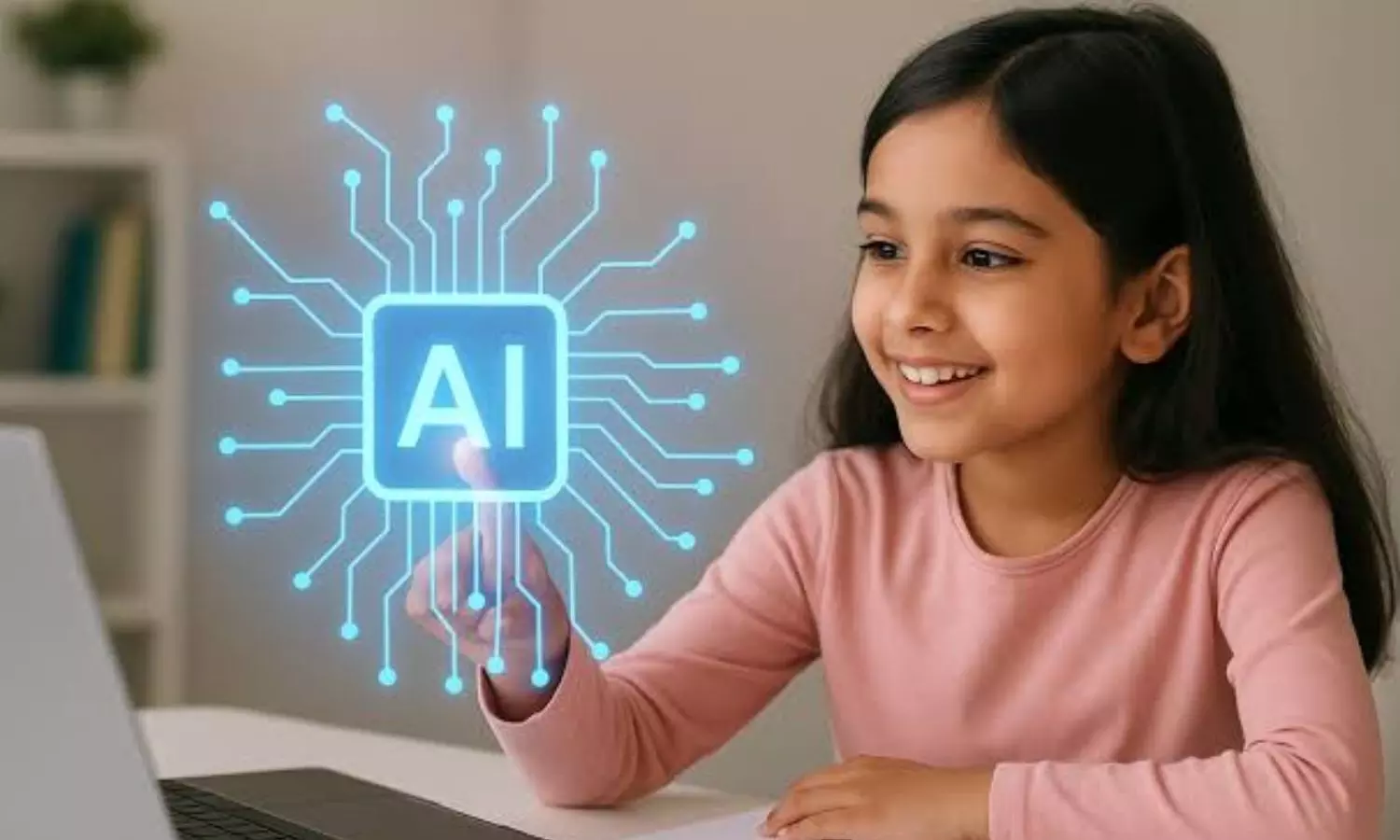
Artificial intelligence (AI) is changing how students learn
Artificial intelligence (AI) is changing how students learn, access information and interact with digital platforms. AI-powered learning applications, chatbots and online resources can make education more accessible and support personalised learning. However, as students increasingly depend on digital tools, understanding cybersecurity and responsible technology use has become an important part of preparing them for the future.
Hakimuddin Wadlawala, Founder of Aquila I, an AI-native Unified Detection and Response (UDR) platform, on why cybersecurity awareness should become an integral part of modern education.
Students use the internet to access educational resources, communicate with peers and collaborate on assignments. These activities also expose them to risks such as phishing, identity theft, data breaches and online fraud. Preparing students for an AI-driven world therefore requires not only digital skills but also the ability to recognise potential threats and protect personal information.
Understanding AI-Enabled Cyber Threats
AI can help cybercriminals create convincing phishing messages, imitate trusted individuals and automate certain fraudulent activities. Deepfake videos and cloned voices can also make it difficult to distinguish genuine communication from manipulated content.
Students may encounter these threats through social media, gaming platforms, messaging applications and websites. They need to recognise warning signs, including suspicious links, unexpected requests for passwords or personal information, and messages that create urgency or appear unusual, even when they seem to come from familiar contacts
Developing the habit of verifying information through trusted channels can help students respond more cautiously to potentially fraudulent communication.
Why Cybersecurity Education Should Begin Early
Cybersecurity awareness is most useful when introduced early and reinforced as students grow older. Basic lessons can help children understand the importance of strong passwords, two-factor authentication, software updates and privacy settings.
Students should also learn to consider how their personal information may be collected, stored or shared. Before uploading documents, photographs or other sensitive material to an AI application, they should understand the platform’s privacy practices and follow appropriate guidance from teachers or parents.
These habits can remain relevant beyond school and college. As workplaces increasingly use cloud services, AI applications and digital business systems, employees need to understand how everyday decisions can affect information security.
Integrating Cybersecurity into Education
Schools and colleges can incorporate cybersecurity concepts into computer science lessons, digital literacy programmes and practical classroom activities. Topics may include phishing, identity theft, data privacy, social engineering and the responsible use of AI-generated content.
Interactive workshops, simulated phishing exercises, case studies and digital safety projects can help students apply what they learn. Teacher training is equally important, enabling educators to address emerging risks and guide students towards safe online practices.
Collaboration between educational institutions, universities and cybersecurity professionals can also provide learners with practical insights into how organisations protect sensitive information, identify suspicious activity and respond to security incidents.
Building Responsible Digital Citizens
Creating a safer digital environment requires shared responsibility. Educational institutions can establish clear guidelines for technology use, while families can encourage open conversations about online experiences. Technology companies also have a role in developing secure products and communicating privacy practices clearly.
As AI becomes more integrated into education and professional life, cybersecurity knowledge will be an increasingly important component of digital literacy. Helping students understand risks, verify information and protect personal data can prepare them to use technology with greater awareness and responsibility.
The objective is not to discourage the use of AI, but to ensure that technological progress is accompanied by sound security practices. Combining digital competence with cybersecurity awareness can help students participate more safely and confidently in an increasingly connected world.


