




- Mom-to-be Samantha Ruth Prabhu begins shooting for 'Celebrity MasterChef Tamil’, flies to Chennai
- 'Patently false': Govt refutes allegation of external pressure in MDR rollout
- What skills should students develop before studying abroad
- At least 48 dead in Nigeria after consuming drink suspected to contain methanol, police say
- PM Modi turned 'Viksit Bharat' into national mission like Gandhi, Patel did for freedom struggle: Shinde
- TN Governor Arlekar, CM Vijay extend birthday greetings to PM Modi
- JEE-Main, UGC-NET, CUET-PG: NTA releases tentative exam calendar from December-March
- iOS 27 Adds Scam Protection Feature for iPhone Users: How It Works
What skills should students develop before studying abroad
In Short
The rapid rise of artificial intelligence (AI) is transforming the global job market, influencing how organisations operate, how roles are designed and how talent is assessed.

Share :
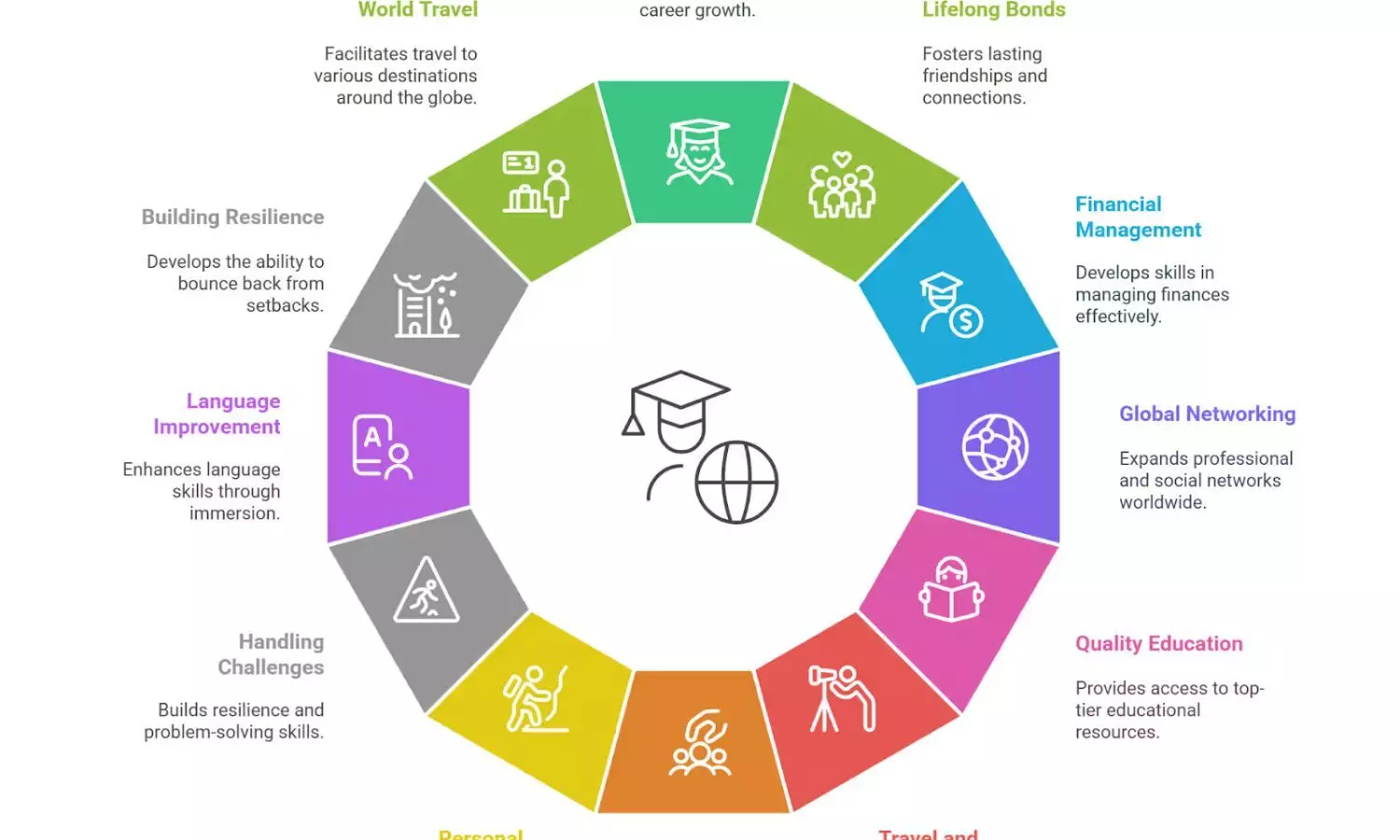
What skills should students develop before studying abroad
The rapid rise of artificial intelligence (AI) is transforming the global job market, influencing how organisations operate, how roles are designed and how talent is assessed. For students planning to study abroad, this changing landscape adds an important dimension to the decision-making process. Choosing a popular course or destination alone may not necessarily translate into long-term career success. Students must also consider whether their education and skill sets will prepare them for an increasingly technology-driven workplace.
Dr. Ing. Gagan Syal, Founder & Director, YES Germany, shares insights on the skills students should develop before pursuing higher education abroad.
Think Beyond the Degree
International education should be viewed as an investment in a long-term career rather than simply a pathway to obtaining a qualification. Across industries, employers are increasingly looking for professionals who combine subject expertise with the ability to work effectively with technology.
Today, professionals across sectors are integrating technology into their core roles — from business professionals using analytics and engineers working with automation to healthcare professionals adopting digital technologies. The ability to combine domain knowledge with technological understanding is therefore becoming increasingly valuable.
Countries such as Germany, with strong industrial ecosystems spanning engineering, manufacturing, automotive, healthcare and technology, are increasingly creating opportunities for professionals who can work effectively alongside evolving technologies.
Develop AI and Digital Literacy
Students do not necessarily need to become AI experts, but developing a basic understanding of AI and digital technologies can be highly valuable. Skills in areas such as data analytics, automation, generative AI applications and digital collaboration tools are becoming relevant across a wide range of professions.
At the same time, students should learn to critically evaluate AI-generated information rather than relying on it unquestioningly. Analytical thinking, sound judgement and the ability to make informed decisions remain essential even as technology improves efficiency and productivity.
Build Communication and Cross-Cultural Skills
Technical expertise is only one part of succeeding in an international academic and professional environment. Strong communication, collaboration and interpersonal skills are equally important.
International students are likely to interact with people from diverse cultural and professional backgrounds. Communication, teamwork, presentation skills and cross-cultural awareness can help students adapt to new environments, collaborate effectively and build meaningful professional networks.
Gain Practical and Commercial Awareness
Academic knowledge becomes more valuable when it is complemented by practical exposure. Students should explore opportunities such as internships, industry projects, hands-on assignments and relevant certifications while completing their studies.
Understanding how businesses operate, how organisations address industry-specific challenges and how technology creates value can help students make a smoother transition from the classroom to the workplace.
Develop Skills That Remain Relevant
The future job market will continue to evolve, with AI and automation likely to reshape many existing roles and create new ones. Students should therefore focus on transferable skills that remain valuable across changing job descriptions and industries.
Critical thinking, adaptability, project management, analytical ability and problem-solving are among the skills that can help professionals navigate an evolving employment landscape. Unlike skills tied to a specific role or technology, these capabilities can be applied across industries and geographies.
Prepare for a Changing Future
Studying abroad can provide students with access to international academic and professional opportunities, but making the most of those opportunities requires preparation beyond academic qualifications.
Students who combine strong subject knowledge with digital literacy, communication skills, practical experience and a willingness to keep learning can be better equipped to navigate a rapidly changing global economy.
Ultimately, the objective of studying abroad should extend beyond earning an international degree. It should be about developing the knowledge, skills and adaptability needed to learn, contribute and build a career in an increasingly technology-driven world.
Mom-to-be Samantha Ruth Prabhu begins shooting for 'Celebrity MasterChef Tamil’, flies to Chennai
Modi govt has given handloom sector and weavers a new identity, says Khemraj Sundriyal
'Big fan of his work': Gujarat teen pens Bhojpuri song to wish PM Modi on his birthday
ED raids multiple states in Ranchi RSS office attack money laundering probe
‘Hanuman Ansh’ hits Rs 300 crore mark at worldwide box office
HBD PM Modi: Chiranjeevi, Nagarjuna And Pawan Kalyan Drop Heartfelt Birthday Wishes For PM Modi
78 years on, September 17 still a political battleground
KTR challenges CM Revanth Reddy for probe on KCR and CM's assets
AP CM Chandrababu Naidu Visits Varanasi, offers prayers at Kashi
Mukesh Ambani’s Jio Rs 399 Recharge Offers Benefits Worth Rs 4,000


