




Let us all unite to prevent the scourge of drought
In Short
The impact of El Niño is likely to extend well beyond rainfall. Inadequate precipitation can disrupt sowing, slow crop growth and reduce yields. With insufficient inflows into tanks and minor irrigation sources, farmers may have to depend increasingly on borewells and open wells, raising the demand for reliable electricity to operate irrigation pumps. If shortages of water and power reduce agricultural activity, rural labourers and their families could also face a decline in income.

Share :
Let us all unite to prevent the scourge of drought
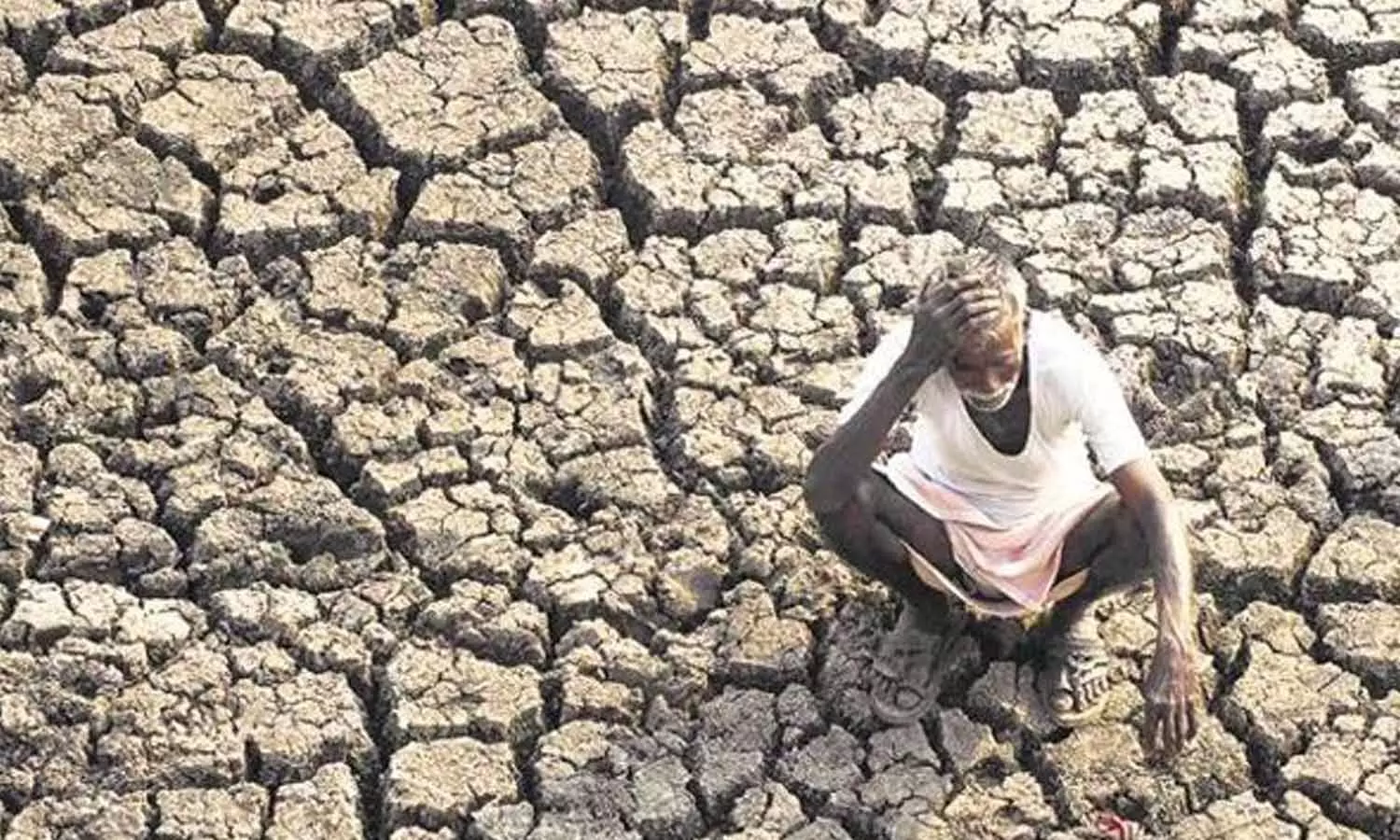
Parched fields, dwindling water resources and longing for timely rainfall are warning signals of an impending drought. When nature poses such challenges, we must respond with careful planning, foresight and collective responsibility. Unlike other natural disasters that strike suddenly and cause widespread destruction, drought unfolds silently, gradually affecting agriculture, livelihoods and the overall economy. As the Congress government in Telangana continues its efforts to promote development and public welfare, the emerging threat of El Niño has added to the challenges facing the State. Recognising the potential consequences, the State government has begun raising public awareness and taking precautionary measures to prepare for the difficult months ahead.
The current El Niño phenomenon is reported to be among the most intense since 1901. Its impact on rainfall patterns is posing serious challenges across several sectors in Telangana. Preliminary assessments indicate that around 11,151 villages across 23 districts could be vulnerable to its effects. Deficient rainfall, mounting pressure on groundwater resources and growing irrigation requirements point to the seriousness of the situation. Against this backdrop, the government is preparing a range of preventive measures, with particular emphasis on ensuring drinking water supplies, protecting standing crops, managing electricity demand and providing employment to rural households. The objective is to ensure that all departments work in coordination and that people are not left to face the crisis on their own.
Rainfall deficit underlines the scale of the challenge. Against the normal seasonal rainfall of 773.1 mm, the State has received only 615.8 mm. Of the 53 days during which rainfall would ordinarily be expected, normal rainfall occurred on only 26 days, according to the figures available. The resulting shortfall has placed additional pressure on reservoirs and other water sources. Reservoir storage is reported at around 54 per cent of the stated reference capacity, with only 210.8 TMC of water available against 426.6 TMC. These conditions have raised concerns about the availability of water for agriculture and other essential needs.
The situation in the State’s tanks is equally worrying. Telangana has 21,500 identified tanks, but only 550 of them are reported to be full. Against a total storage capacity of 253.80 TMC, the current storage stands at 93.51 TMC, or just 36.8 per cent. Such low levels highlight the need for prudent water management and protection of existing resources.
The impact of El Niño is likely to extend well beyond rainfall. Inadequate precipitation can disrupt sowing, slow crop growth and reduce yields. With insufficient inflows into tanks and minor irrigation sources, farmers may have to depend increasingly on borewells and open wells, raising the demand for reliable electricity to operate irrigation pumps. If shortages of water and power reduce agricultural activity, rural labourers and their families could also face a decline in income. The government must therefore continuously assess crop conditions and take timely measures to minimise losses and protect rural livelihoods.
Chief Minister A Revanth Reddy has held review meetings with ministers and officials on several occasions to assess the emerging situation and prepare for its consequences. Preliminary assessments point to groundwater stress and rainfall-deficient conditions in 320 mandals across 18 districts, out of the State’s 612 mandals. The government is collecting comprehensive information from the Planning, Revenue, Groundwater, Agriculture, Panchayat Raj and Rural Water Supply departments to assess the severity of the situation and identify the needs of affected areas.
The coming 10 months will be particularly important. The government is working towards an action plan that addresses drinking water, irrigation, agriculture and electricity requirements. Available water resources must be used judiciously, with priority given to essential needs and the protection of standing crops until harvest. Public awareness campaigns on water conservation should also be strengthened, extending from villages to the State level. Every household, farmer and institution has a role to play in conserving water and preventing avoidable wastage.
Electricity demand presents another significant challenge. Despite the onset of winter, temperatures and power consumption are similar to those in summer. Daily electricity demand, which would ordinarily be around 15,000 MW in October, has reportedly risen to nearly 20,000 MW. This increase is placing additional pressure on the power sector. The State government is preparing to purchase electricity as required, although limited availability in the national market could make procurement difficult, given that similar conditions are being experienced elsewhere in the country. Alongside efforts to maintain adequate supply, the government must encourage responsible electricity consumption.
Citizens, too, should cooperate by avoiding unnecessary use of power and adopting energy-saving practices wherever possible.
Agriculture, the backbone of Telangana’s economy, is particularly vulnerable to the effects of El Niño. Water storage in the Krishna and Godavari basins, which are crucial to the State’s irrigation needs, has declined. Against the stated storage capacity of 270 TMC in the Krishna basin, the available storage is only 78.5 TMC, representing a reported shortfall of 71 per cent. In the Godavari basin, against a capacity of 145.7 TMC, storage stands at 96.0 TMC, a reported deficit of 34 per cent. The Singur reservoir, with a capacity of 29.91 TMC, contains only 3.924 TMC.
These figures underline the need for a realistic assessment of water availability before decisions are taken on cultivation during the forthcoming rabi season. Farmers should be encouraged to consider alternative crops that require comparatively less water, including pulses, millets and oilseeds. Crop planning must be guided by the water available rather than by expectations of normal rainfall. Timely advice, accessible agricultural extension services and appropriate support for farmers will be essential to reduce the risk of crop losses.
Drought also threatens rural employment. When agricultural operations decline, daily-wage workers and small farming households are often among the first to suffer. The Centre should therefore extend employment support under the rural employment guarantee programme by providing an additional 50 days of work over and above the existing 125 days. Such an extension would offer income security to rural families while enabling implementation of productive works, including the restoration of tanks, water conservation projects and the construction of recharge pits. These interventions could provide immediate employment while strengthening the State’s long-term resilience to drought.
The Telangana government has already sought a special package of Rs 20,000 crore from the Centre to address the consequences of the emerging drought situation. The Union government should respond positively and extend the necessary financial and institutional support. A crisis of this scale calls for cooperation between the Centre and the State, irrespective of political differences.
At the same time, the authorities must remain vigilant against the possibility of artificial shortages and black marketing. Some traders may attempt to exploit public anxiety over El Niño by hoarding essential commodities and raising prices. Effective monitoring, strict enforcement and timely intervention are necessary to prevent such practices and ensure that the burden of the crisis does not fall disproportionately on ordinary households.
Telangana has demonstrated its capacity to face difficult circumstances through collective action. During the COVID-19 pandemic, people supported one another and stood together in the face of an unprecedented public health emergency. The same spirit of solidarity must guide our response to the challenges posed by El Niño. Preparedness, scientific assessment, responsible use of natural resources and coordinated action can help reduce the severity of its consequences.
The government must continue to act with foresight, while citizens, farmers, local institutions and businesses must contribute to conservation and preparedness. The Centre, too, has a responsibility to extend full support to Telangana at this critical juncture. Drought cannot be prevented through political rhetoric or isolated measures; it requires sustained planning, adequate resources and cooperation at every level.
Let us rise above political differences, work hand in hand and confront the El Niño challenge together. With collective responsibility, careful management of water and power, and timely support for farmers and rural families, Telangana can minimise the impact of drought and protect the livelihoods of its people.
(The writer is an MLC and
President, Telangana Pradesh Congress Committee)


