




- PM to inaugurate Namma Metro Pink Line on Nov 15
- Urban apathy dents polling percentage in Tirupati district
- Second Vande Bharat Sleeper train to connect B’luru and Mumbai via Hubballi: Vaishnaw
- DG Prisons shifted as OSD Home
- PM, Saini greet people of Har on Foundation Day
- Yogi targets Nehru over ‘failure’ to defend Chauri Chaura heroes
- Man wanted in 1998 murder case held after being 26 yrs on the run
- Another cyclone Murasu threat looms over AP
Can empathy be taught? The role of human connection in education
In Short
In an increasingly technology-driven and performance-focused education system, empathy remains an essential human skill. It explores how empathy can be cultivated through practical learning experiences such as role-play, simulated interactions, reflection and thoughtful feedback. Drawing on examples from medical education and everyday professional settings, it highlights the importance of listening, understanding different perspectives and responding with sensitivity. It also examines the role educators play in modelling respectful behaviour and creating supportive learning environments. While empathy cannot be developed through a single lesson, consistent practice can help students build stronger human connections alongside their academic and professional skills

Share :
Can empathy be taught? The role of human connection in education
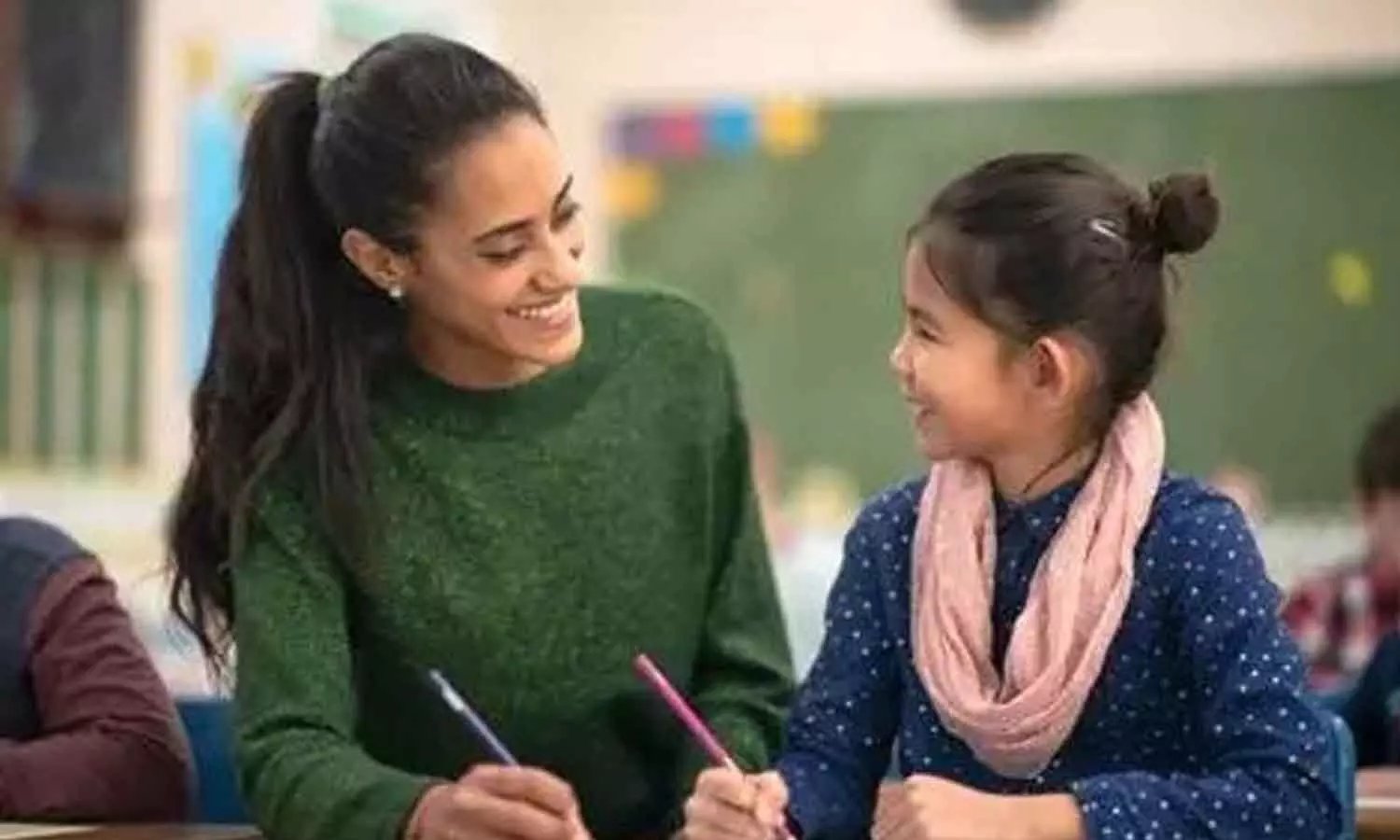
We live in a world shaped by different technologies, artificial intelligence and performance-driven education. In this world, one question deserves our attention: Can empathy be taught? Many of us assume it is simply a trait, something you either have or do not have. From my experience in teaching, I have come to feel that empathy is not something people either possess or lack completely. Some students may initially struggle to understand another person’s feelings, but their responses can change when they encounter real-life situations and take time to reflect on them.
We often teach students how to identify a problem and decide what needs to be done. But when a patient is frightened or a family member is struggling to accept a diagnosis, the right answer alone may not be enough. People also need to feel that someone has listened to them and taken their concerns seriously. Traditional teaching tends to focus on what learners should know and do. A student may know the correct clinical facts but interrupt a patient, overlook a worried expression or respond too quickly. Learning to pause, listen and understand the concern behind a question takes practice. These skills rarely take root in a lecture hall. One way to help students develop these skills is to let them practise before they face difficult situations in real life. For example, a student could speak with a simulated patient who is frightened about a diagnosis. Another student could take the role of a family member who feels that their concerns have been ignored. Even a short exercise can reveal how differently the same conversation may be experienced by two people.
Role-play opens another door. When students swap places, moving, for instance, from the role of a healthcare professional to that of a patient, they begin to understand how words, tone, body language and even silence shape a conversation. A sentence meant to comfort can come across as dismissive. An explanation that is medically accurate can still leave someone feeling unheard. Experiences like these encourage learners to look beyond their own intentions and consider how their behaviour affects others.
Still, simulation and role-play cannot guarantee empathy on their own. The exercise should not end when the role-play is over. Students need time to think about what happened. Did the patient feel heard? Was the explanation clear but too hurried? Did the student make assumptions without asking questions? Discussing these moments afterwards can help learners recognise what they might otherwise miss. These lessons are not limited to hospitals or medical colleges. A teacher dealing with a struggling student, a manager handling a disagreement or a colleague responding to criticism may face the same challenge: understanding another person’s point of view without abandoning fairness or professional responsibility.
Educators also carry a responsibility to model what they hope to see. Students observe how teachers handle mistakes, navigate disagreements and treat people whose views differ from their own. A respectful classroom, where questions are welcome and errors are seen as opportunities to learn, lays the groundwork for compassionate practice.
So, can empathy be taught? Not through a single lesson, and not through a written examination. But it can be cultivated through repeated practice, thoughtful feedback and a learning environment that values human connection as much as technical skill. Empathy may not develop at the same pace in every learner, and a single classroom activity cannot guarantee it. However, students can learn to listen more carefully, question their assumptions and respond with greater sensitivity.
(The author is Assistant Professor, Department of Swasthavritta evum Yoga, Sri Dharmasthala Manjunatheshwara College of Ayurveda & Hospital, Thanniruhalla)


