




IIT Kharagpur workshop connects science with tribal livelihoods
In Short
IIT Kharagpur partners with DST SEED in Mayurbhanj, Odisha to blend scientific research with local knowledge for sustainable tribal livelihoods.

Share :
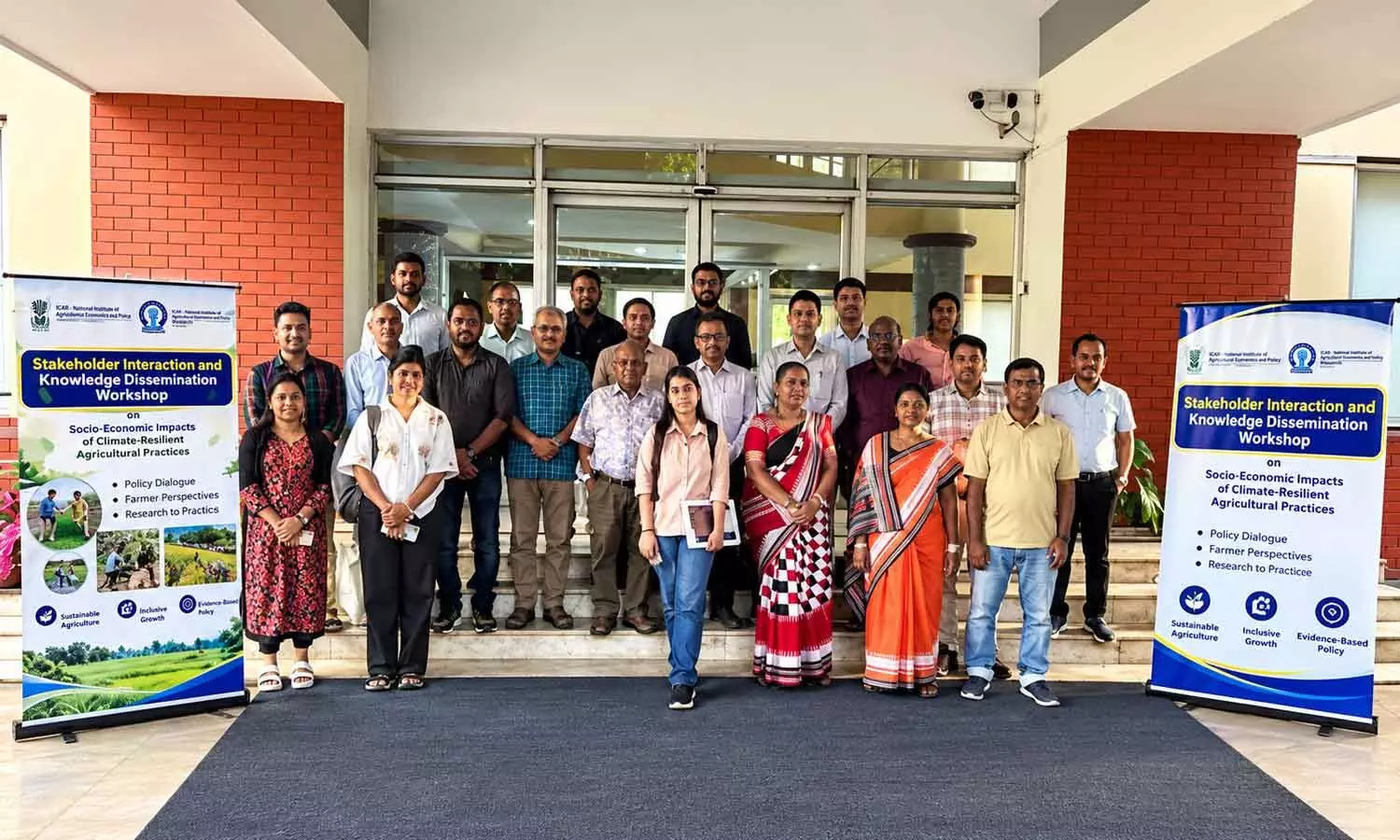
IIT Kharagpur workshop connects science with tribal livelihoods
The role of higher education extends beyond classrooms and laboratories to finding practical solutions to community challenges. A workshop organised by the Indian Institute of Technology (IIT) Kharagpur in Mayurbhanj, Odisha, highlighted how scientific research and local knowledge can contribute to sustainable livelihoods among tribal communities.
The workshop was conducted as part of a collaborative project with the Department of Science and Technology (DST), under its Science for Equity Empowerment and Development (SEED) division. It brought together researchers, government officials, scientists, non-governmental organisations, grassroots entrepreneurs and community representatives to discuss development opportunities in the region.
The discussions focused on areas including mushroom cultivation, integrated farming, renewable energy, rural entrepreneurship, biodiversity conservation and indigenous knowledge. These themes explored how scientific interventions could support income-generating activities while considering the ecological importance of the surrounding forest landscape.
Mayurbhanj has a substantial tribal population, much of which lives in rural areas. Communities in and around the Simlipal region have longstanding connections with local forests and natural resources. Traditional skills and forest-based activities, including the collection of non-timber forest products, form part of local livelihoods. The Mankirdia community, for instance, is known for traditional rope-making using Siali fibre.
The region also presents challenges in balancing wildlife conservation with community needs, forest rights and sustainable livelihood opportunities. The workshop provided a platform to discuss how research institutions and local stakeholders could work together to address these interconnected concerns.
The event began with an address by Prof. Jayanta Mukhopadhyay, Dean of Strategy and Analytics at IIT Kharagpur. It was organised by an interdisciplinary team comprising researchers from different academic fields, reflecting the role of collaboration in addressing complex rural development issues.
For students and researchers, such initiatives demonstrate how knowledge from science, agriculture, technology and social sciences can be applied beyond academic settings. They also highlight the importance of engaging communities in identifying solutions that suit local conditions.


