




- Ankurarpanam on Dec 5 to mark start of Tiruchanoor Brahmotsavams
- Call 1064 to report bribe demands by govt officials: Judge Geetha
- 1,932 APSPDCL personnel to handle cyclone Arnab power outages
- 89 candidates in fray for 24 ZPTC seats in Chittoor
- Election observer oversees micro-observer deployment in Nellore
- Cyclone Arnab: 160 APSRTC services cancelled
- Visakhapatnam: Door-to-door poll campaign comes to a screeching halt
- PNB organises MSME outreach programme
Today is International Animation Day: Combining creativity, technology and storytelling
In Short
Learning animation involves more than creating characters or producing visual effects. Students develop an understanding of movement, composition, timing, colour, perspective and visual storytelling.

Share :
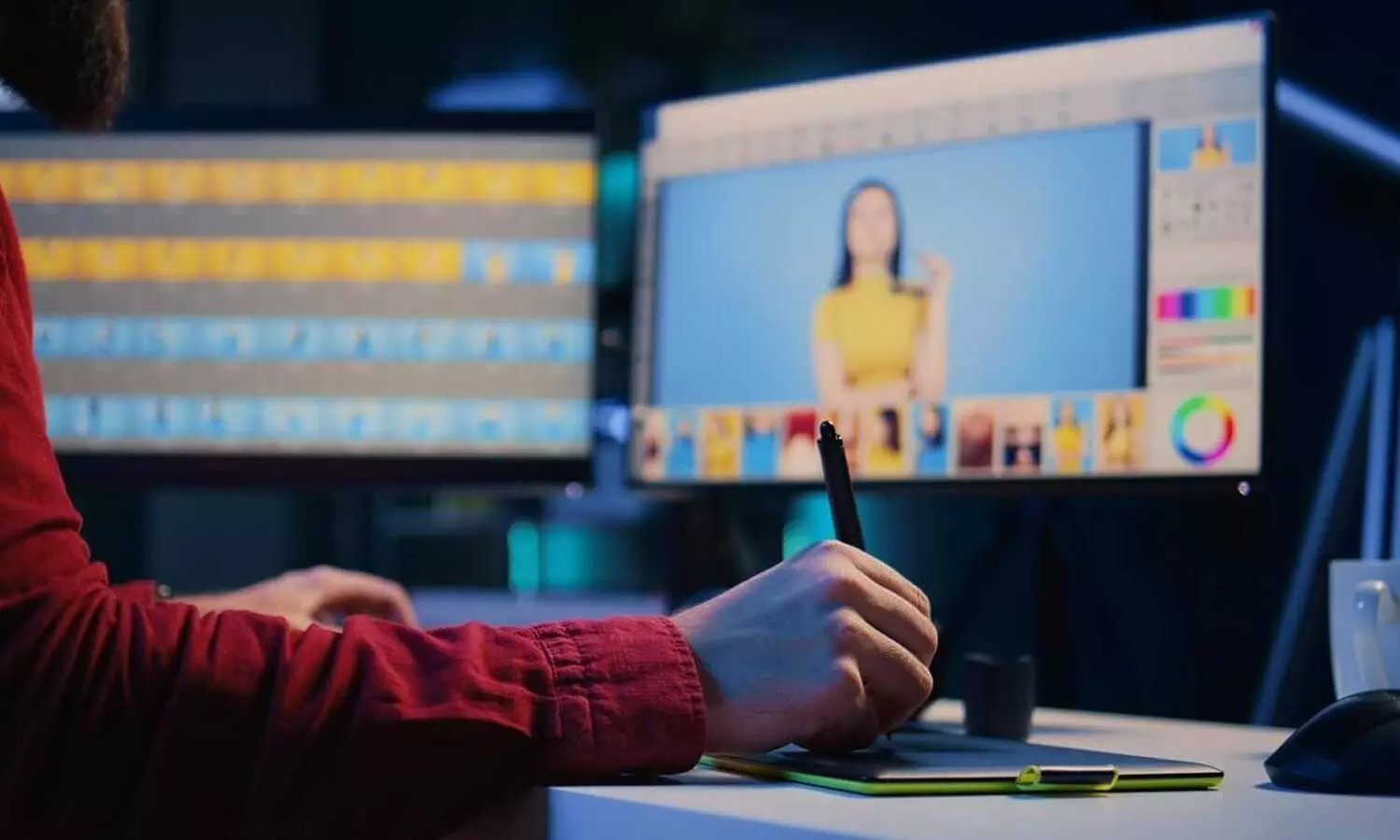
Today is International Animation Day
Animation has developed into a multidisciplinary field that brings together art, design, storytelling and technology. For students interested in visual communication, filmmaking, gaming and digital media, animation education offers opportunities to explore how ideas can be transformed into moving images and engaging narratives.
Learning animation involves more than creating characters or producing visual effects. Students develop an understanding of movement, composition, timing, colour, perspective and visual storytelling. These fundamentals help them communicate ideas clearly and create sequences that convey emotion, action and meaning.
Animation programmes typically introduce students to drawing, character design, storyboarding, modelling and digital production techniques. Depending on the course, students may also learn two-dimensional (2D) animation, three-dimensional (3D) animation, motion graphics, visual effects and interactive media. Working across these areas helps learners understand the relationship between creative decisions and technical processes. Technology is an important part of contemporary animation education, but creative thinking remains central to the discipline. Students learn to use digital tools while developing their own visual styles and approaches to storytelling. They also gain experience in planning projects, responding to feedback and refining their work through repeated iterations.
Building a portfolio is particularly important for students preparing to enter the field. Short films, character studies, storyboards and animation exercises can demonstrate technical ability, creative development and problem-solving skills. Reviewing and improving these projects also helps students identify areas for further learning.
Animation skills can be applied across several sectors, including entertainment, advertising, education, gaming and digital communication.
Students exploring the discipline should consider the balance between artistic practice, technical training and project-based learning when evaluating courses.


