




The global curry boom: How Indian gravies are finding a new generation of diners worldwide
In Short
Discover the global rise of Indian curry! Explore key trends driving international demand—from regional diversity and plant-based curries to culinary authenticity and modern plating—shaping the future of global dining.

Share :
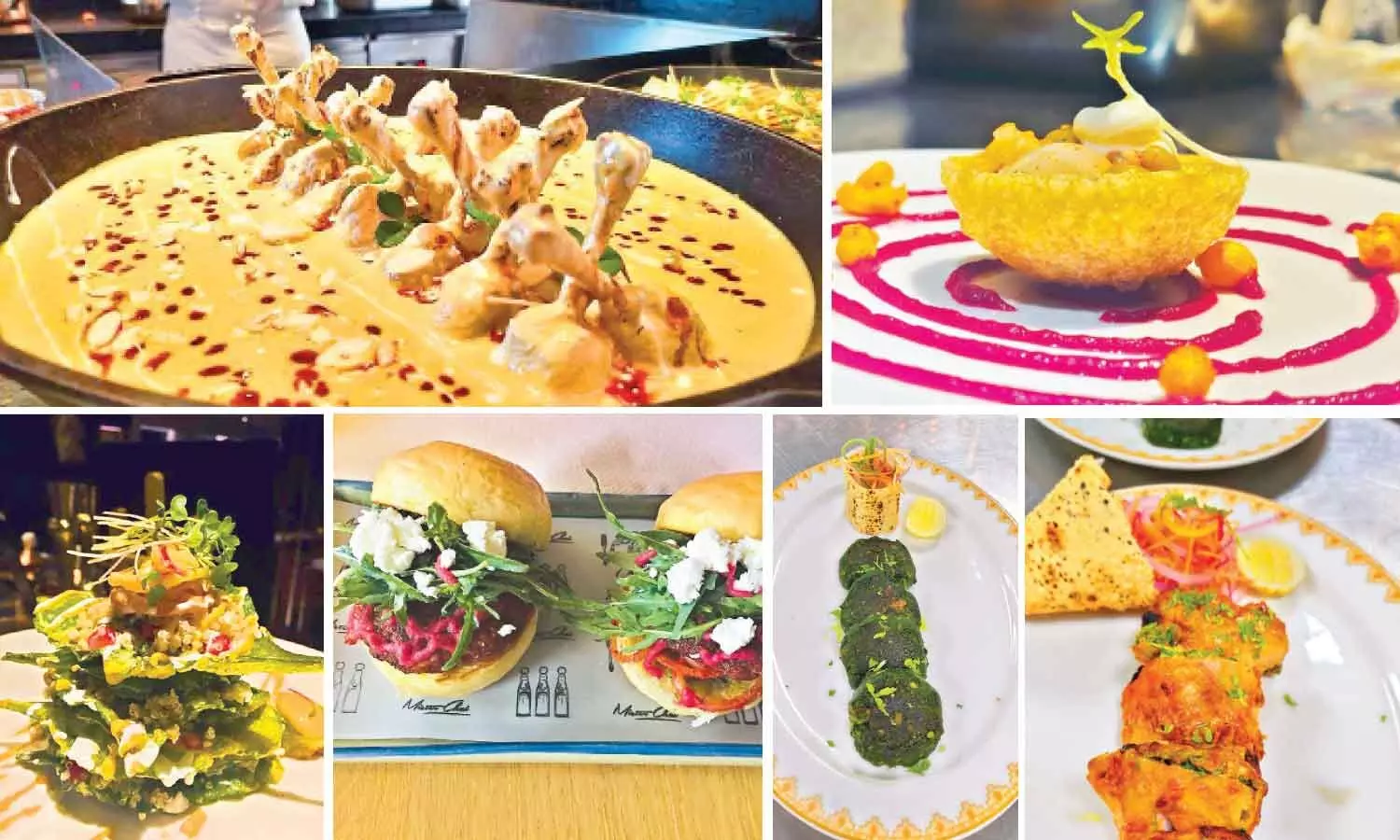
The global curry boom: How Indian gravies are finding a new generation of diners worldwide
The global hospitality and food industry is witnessing a significant shift in the way Indian cuisine is perceived and consumed. Indian curry, once largely associated with a handful of familiar dishes such as butter chicken and chicken tikka masala, is now finding a new generation of diners across international markets. From London and New York to Dubai, Singapore and Australia, Indian gravies are becoming an important part of the global culinary conversation.
Today’s diners are looking for more than familiar flavours. They want authenticity, regional diversity, interesting ingredients and stories behind the food. This changing consumer mindset is creating new opportunities for Indian curry to evolve from a popular restaurant category into a sophisticated global dining experience. Here’s a look at the key trends driving the global curry boom.
Regional Indian Curries Take Centre Stage
The future of Indian cuisine globally will be shaped by regional diversity. International diners are increasingly moving beyond mainstream dishes to discover curries from Kerala, Bengal, Rajasthan, Punjab, Kashmir, Chettinad and the Konkan region.
Coconut-based gravies, mustard-infused preparations, slow-cooked meat curries and regional vegetarian dishes are introducing diners to the enormous diversity of Indian culinary traditions.
Beyond Butter Chicken
Butter chicken remains one of India's most recognised culinary exports, but global menus are becoming more diverse. Restaurants are introducing dishes such as rogan josh, laal maas, Malvani curry, Chettinad chicken and Bengali fish preparations to attract diners looking for something different.
This shift is helping reposition Indian cuisine from a cuisine built around a few signature dishes to one defined by hundreds of regional recipes and cooking traditions.
The New Generation of Global Indian Diners
Younger consumers are playing a major role in the international growth of Indian food. They are more willing to experiment with unfamiliar flavours and discover cuisines through travel, social media and digital food content.
For this audience, authenticity and experience are becoming as important as presentation. A traditional curry with a strong regional story can be as compelling as a contemporary interpretation.
Chefs Are Reimagining Indian Gravies
Indian chefs working internationally are finding new ways to present traditional curries while retaining their culinary identity. Contemporary plating, refined spice blends, seasonal ingredients and modern cooking techniques are helping Indian cuisine appeal to a broader audience.
The objective is not necessarily to change the curry, but to present its flavours and heritage in a format that fits modern global dining expectations.
The Rise of Plant-Based Indian Curries
India's long-established vegetarian culinary traditions are becoming particularly relevant as global interest in plant-forward dining grows.
Dal, kadhi, vegetable koftas, palak preparations and regional lentil-based curries offer restaurants naturally diverse meat-free options. Indian cuisine has the potential to become an important contributor to the global plant-based dining movement without compromising on flavour.
Curry Is About Complexity, Not Just Spice
One of the biggest opportunities for Indian cuisine is changing the perception that curry simply means spicy food. Indian gravies are built around balance—aromatics, acidity, sweetness, texture and carefully layered spices.
Techniques such as tempering, roasting, slow cooking and freshly grinding spices create depth and complexity. Educating diners about these techniques can help them appreciate curry as a culinary craft rather than simply a spicy dish.
Authenticity Will Shape the Next Phase
The next stage of India's global culinary journey will depend on balancing authenticity with accessibility. International diners may want familiar formats, but they are increasingly curious about the real stories and traditions behind Indian food.
Restaurants that preserve regional identity while maintaining consistency, quality and contemporary hospitality will be better positioned to build lasting demand.
The global curry boom represents more than the growing popularity of Indian restaurants. It reflects a broader change in international dining, where consumers are becoming more adventurous, informed and interested in culinary heritage.
Butter chicken may have introduced millions of diners to Indian cuisine, but the future lies in making India's regional diversity more visible. From rich Punjabi gravies and aromatic Kashmiri curries to coconut-based South Indian preparations and distinctive coastal recipes, India's culinary landscape offers an enormous repertoire for global hospitality.
As international diners continue to search for authentic flavours and meaningful food experiences, Indian curry is well positioned to become not just a global favourite, but one of the world's most diverse and influential culinary traditions.
(The writer is an Assistant Sous Chef at Bhog Indian Restaurant, New Jersey)


