




From Seed to Plate: The Science Behind More Nutritious Everyday Foods
In Short
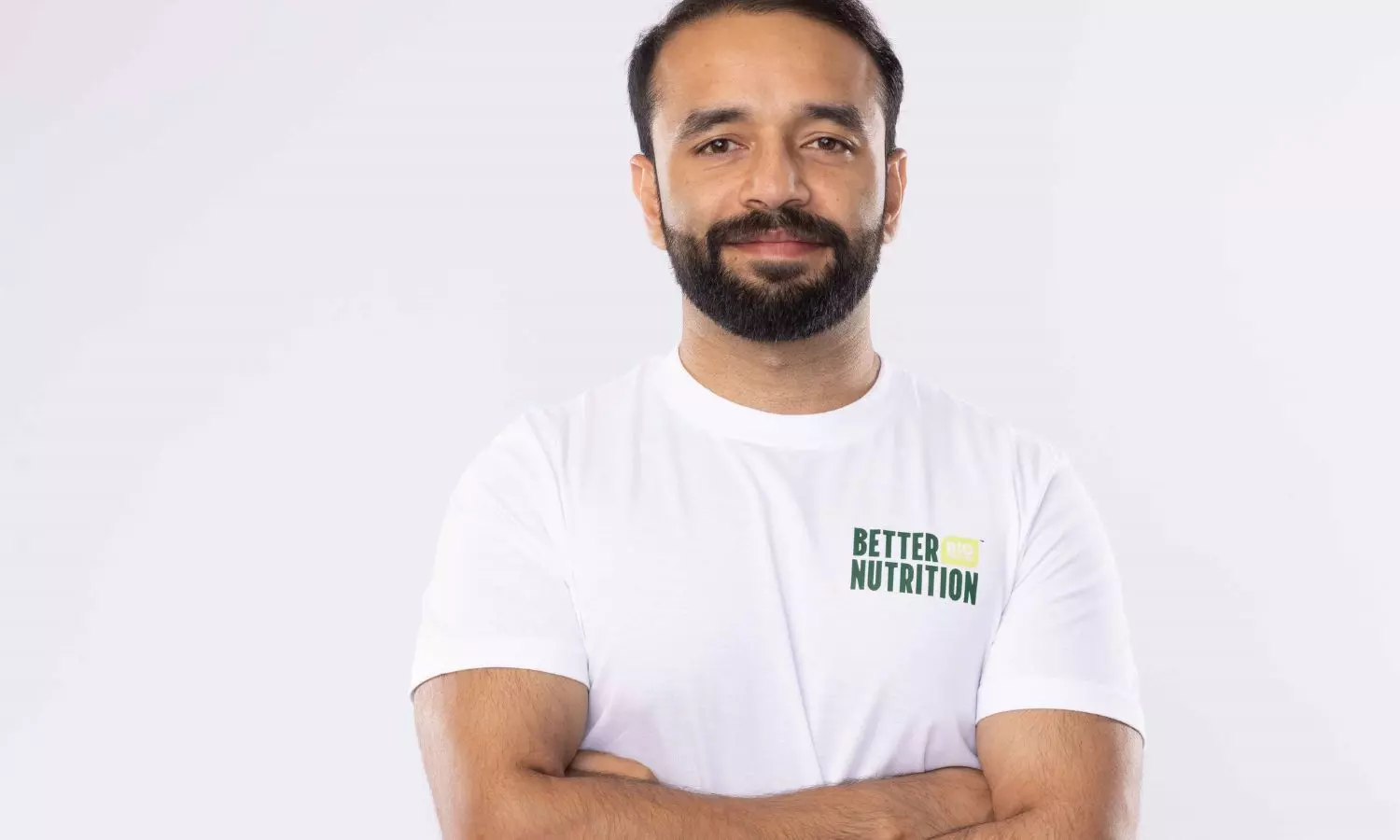
Prateek Rastogi, co-founder of Better Nutrition, explains how biofortification could contribute to this effort.

Share :
What if improving nutrition began with the foods we already eat
What if improving nutrition began with the foods we already eat, rather than products we need to add to our shopping lists? India’s nutrition conversation often focuses on protein powders, supplements and fortified products. While these can serve specific needs, another approach is to improve the nutritional quality of everyday staples such as wheat, rice and millets.
Prateek Rastogi, co-founder of Better Nutrition, explains how biofortification could contribute to this effort.
Biofortification aims to increase the levels of specific nutrients in crops as they grow. Through conventional plant breeding, scientists develop crop varieties with higher concentrations of nutrients such as iron and zinc. Agronomic biofortification uses suitable farming practices and nutrient management to help crops absorb and accumulate particular nutrients.
The principle is to improve a crop’s nutritional value before it reaches the plate. However, the process involves more than selecting seeds. Soil conditions, nutrient availability, farming methods and crop varieties can all influence the final nutritional profile. Processing and storage may also affect nutrient levels.
Scientific testing is therefore important to verify the mineral content of agricultural produce and the foods made from it. Technologies such as X-ray fluorescence can help measure mineral concentrations in grain samples.
The potential benefit is that nutrient-rich staples could make certain nutrients more accessible through familiar foods, without requiring major changes to everyday eating habits. Research on some biofortified crops has reported nutritional benefits in specific populations. Results vary according to the crop, nutrient and context, and biofortification remains one part of a broader approach to nutrition rather than a replacement for a balanced diet or medical care.
Making these crops widely available requires collaboration. Farmers need suitable seeds, technical guidance and viable returns. Food producers need reliable testing, while consumers need affordable products and clear information about nutritional claims.
The idea is also attracting public figures. Actor Varun Dhawan has invested in Better Nutrition and begun biofortifying his farm, while badminton player P. V. Sindhu and MasterChef Pankaj have joined efforts to raise awareness about the approach.
Improving food production is important, but nutritional quality also deserves attention. Biofortification offers one possible way to make everyday staples more nutritious, beginning with the seed and continuing all the way to the plate.


