




- YSRCP demands fresh nomination process in 22 urban local bodies
- Rakhigarhi a legacy of craftsmanship, advanced civilisation: Haryana CM
- Centre launches portal to give farmers access to agri schemes on mobile phones
- RBI's 'Samvad 2026' kicks off, focuses on monetary policy, AI and financial stability
- ECI accepting SIR irregularities is PDA alliance’s greatest achievement: Akhilesh Yadav
- India condemns OIC's 'malicious' agenda, exposes 'desperate attempt' by Pakistan to divert attention from chaos at home
- 'Should face same punishment as adults': Abu Azmi demands lowering of age of juvenile offenders to 14
- Tiger Shroff Biography: From Jackie Shroff’s Son To Bollywood’s Action Star
Ha Long: A New City Next to a World Wonder
In Short
Discover Ha Long, a vibrant new city beside the world-famous Ha Long Bay, known for stunning landscapes, coastal attractions, tourism, and modern development.

Share :

Ha Long: A New City Next to a World Wonder
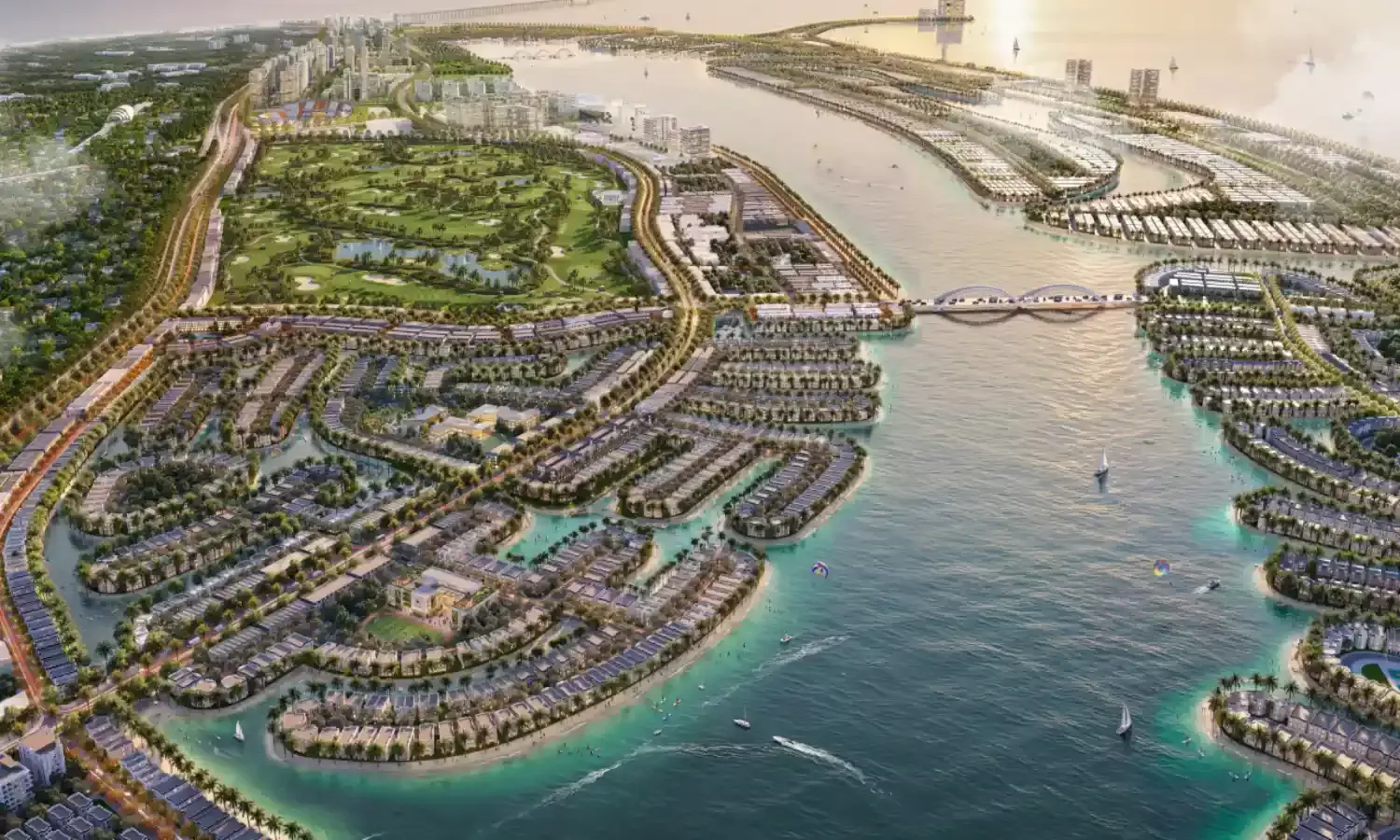
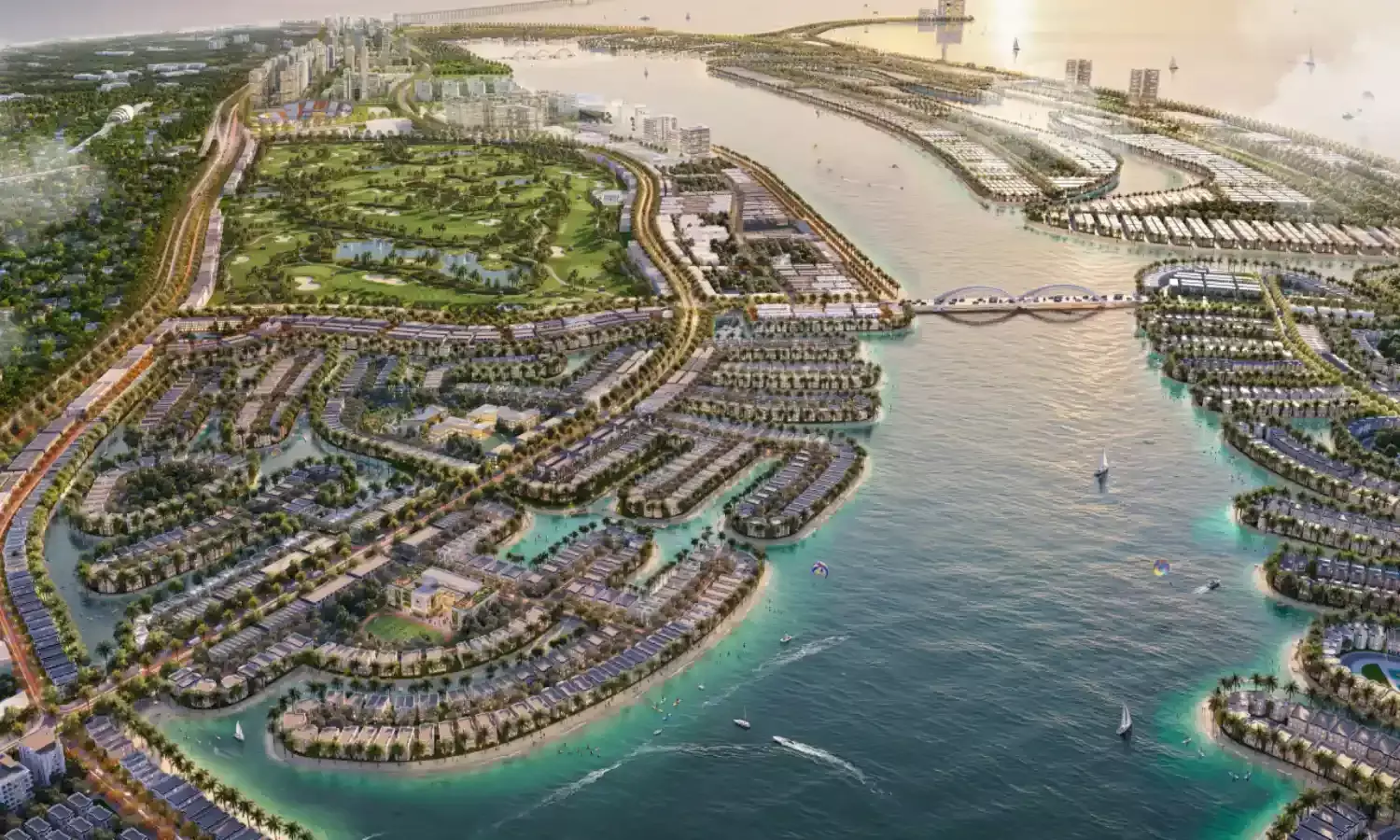
UNESCO’s World Heritage List has 1,273 sites in 173 countries. Natural ones? 240. Add 42 mixed sites and 990 cultural ones, and you can see how thin the natural category is. Sites that qualify for Outstanding Universal Value are scarce, and the listing is there to protect them. It doesn’t invite people to move in.
The towns we do find beside heritage sites, like Dubrovnik, Kotor and Cinque Terre, were not designed that way. They were already centuries old when the heritage labels came along, built up by families who stayed. Starting from a blank page and drawing a whole modern city next to a natural wonder is a different matter, and it hardly ever happens.
Views like this are hard to replace, and buyers know it. Knight Frank’s research on big global cities puts the lift from a bay view at up to 40% on property values. The health side may matter more. Researchers behind a Scientific Reports study surveyed 16,307 people across 18 countries. People living near green areas or the coast said they were happier, and time near coastal water went with higher life satisfaction and less stress. It’s the largest international dataset on blue spaces and mental wellbeing.
Nature, in other words, is good for people, but a big city can easily crowd it out. Vinhomes has spent years working on that problem. Back when residents crossed town for schools, hospitals and shopping, it built townships that put them together. Once buyers wanted homes that keep their value in any market, it shaped its projects around that. Now environmental quality is the thing people look at first, so it has brought in ESG++, which adds Ecosystem Regeneration and Climate Adaptation to the usual Environmental, Social and Governance pillars.
Vinhomes Global Gate Ha Long pulls these strands together. Ground was broken on December 19, 2025. The site covers 6,206 hectares and the total investment is $18 billion. About 380,000 people are expected to live there, with handovers in phases from 2028 to 2030. Right beside it is the UNESCO bay, listed in 1994, extended in 2000 for its geology, and widened in 2023 into the Ha Long-Cat Ba archipelago.
Expect bay views, mangroves close at hand, and green and blue spaces built into the street plan itself. More than 2,500 hectares are set aside for greenery, water and mangroves, and that includes 680 hectares of purified seawater. The city also has a 660-hectare Global Knowledge Park and over 200 kilometres of coastline. Schools, clinics, shops, entertainment and offices all sit within one master plan. Getting in and out is simple. The 120.2-kilometre Hanoi-Quang Ninh high-speed line is designed for 350 km/h and stops at a station inside the project. From Hanoi, it’s 23 minutes.
Old heritage towns have the scenery but their infrastructure shows its age. Modern cities run smoothly but have no wonder on their doorstep. Ha Long was planned to have both from the start. Living this close to a heritage bay is a privilege with strings attached, though. With 380,000 residents next door, the city holds its value only while the bay stays clean, so water quality, air, biodiversity and the area’s carrying capacity need constant monitoring. Vinhomes is aiming for ISO 37125, the sustainable-cities standard, and in the end the bay itself will show whether it succeeds.
Kota Police’s Dramatic 15-Minute Operation Leads to Arrest of Shroff Shooting Suspects
BJP Chief Slams Rahul for Repeated ‘Vote Chori’ Claims; Rahul Dares Govt to Act Against Him
SP neglects Dalits, backwards: UP ministers on Akhilesh Yadav's manifesto release announcement on Constitution Day
Tiger Shroff attack: Congress accuses Maha govt of shielding organised crime syndicates
Delhi L-G TS Sandhu directs govt lawyers to strive for better conviction rate
Apologise to community or face consequences: Lawrence Bishnoi’s cousin to Salman Khan after attack on Tiger Shroff


