






- Bengaluru Metro's growth a victory over traffic jams, says BJP MP Surya; thanks PM Modi
- My phone is being tapped, alleges Rahul Gandhi
- Traditional monetary policy losing effectiveness amid prolonged supply shocks: CEA Nageswaran
- Ramayana Joins ₹1,000 Crore Club In Just 8 Days
- Microsoft Outage Explained: What Caused Microsoft Services to Crash Worldwide?
- Naidu talks about P4, elimination of poverty, etc in fireside chat
- Satheesan-Sukumaran Nair differences cleared; CM to visit NSS HQ after 5 years
- Google Search Gets Major AI Upgrade to Handle Complex Questions
Taste with purpose: How chefs are creating the next generation of nutritious meals
In Short
I have always believed that the best compliment for a chef is an empty plate. It tells you that someone enjoyed the food enough to finish it.

Share :
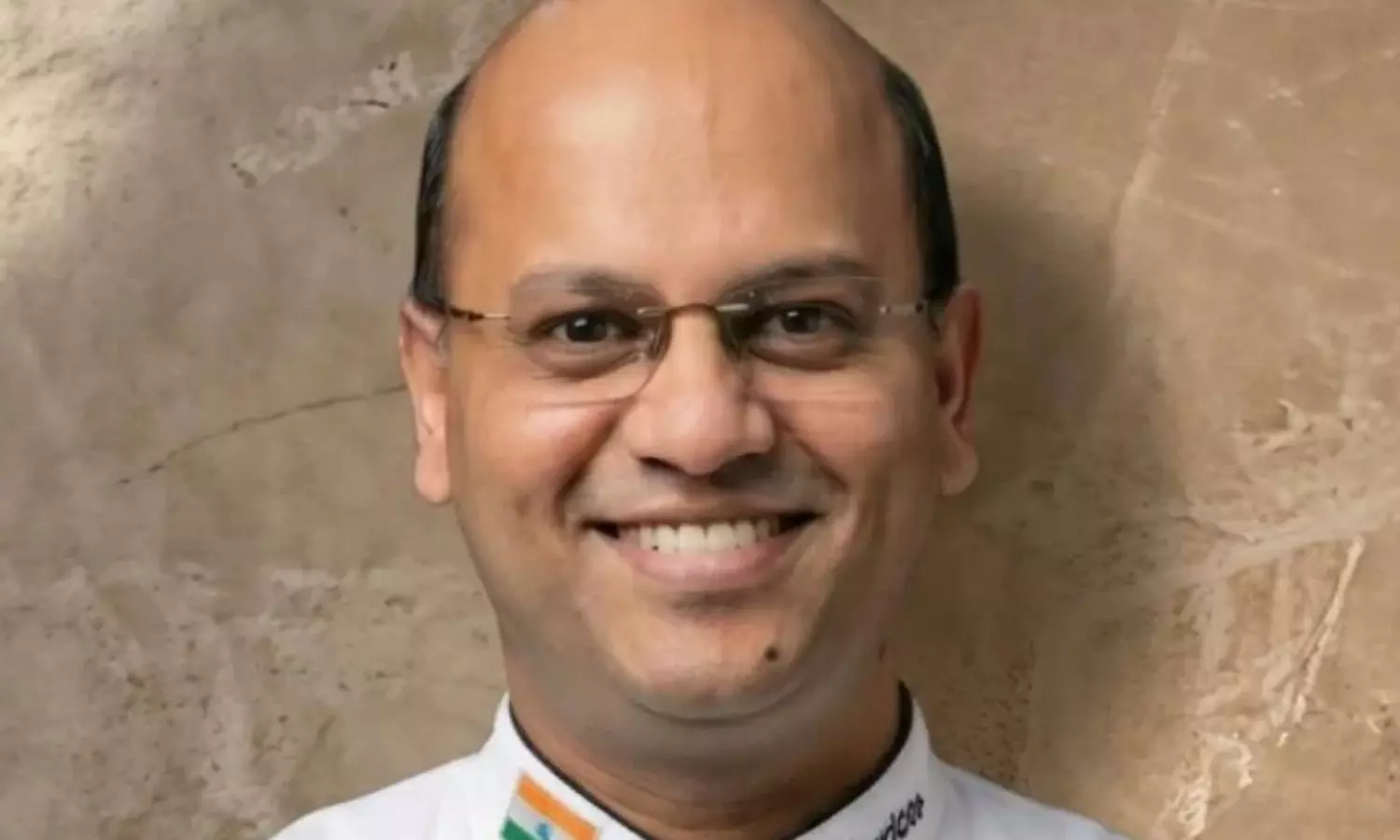
Chef Sanjeeb Ghatak, Head – Culinary Operations , Elior India
I have always believed that the best compliment for a chef is an empty plate. It tells you that someone enjoyed the food enough to finish it. In a cafeteria, there is another compliment: when someone comes back and asks when a dish will be served again.
That is how I think about nutritious food too. We can plan a meal with a good mix of ingredients, but if people don’t enjoy eating it, they may not choose it again. The challenge for a chef is to bring taste and nutrition together in food people look forward to, shares Chef Sanjeeb Ghatak, Head – Culinary Operations , Elior India.
Over the years, I have worked in hotels, flight catering and food services. Today, I see more people paying attention to what goes into their meals and looking for variety. Some may choose a balanced bowl or salad for lunch; others may prefer a familiar plate of rice, dal and vegetables. Our job is to make these choices enjoyable.
A fresh look at familiar ingredients
The future of nutritious food does not always need exotic ingredients. Many are already part of our kitchens: dals, vegetables, grains, curd, eggs and fish.
Being Bengali, I have always enjoyed the comfort of rice, dal, vegetables and fish. Each family has its own way of preparing a meal, and it is often those familiar flavours that bring us back to the table.
As chefs, we can build on these food traditions. A breakfast menu can offer a dish made with millets. Chana or rajma can be served in a salad with a dressing that gives it flavour.
These ingredients can also come together in a bowl: a grain, vegetables and a choice of chana, paneer, egg or chicken, finished with a dressing or chutney. It is another way of serving food that people already know and enjoy.
But the ingredient alone is not enough. A millet dish will not become popular simply because it is on the menu. It needs to be cooked well, seasoned properly and presented in a way that makes someone want to try it.
Making everyday food interesting
A workplace cafeteria is different from a restaurant. People may visit a restaurant for a special meal, but at work, many eat with us every day. We have to offer variety while still serving food people find comforting.
We also work within a budget. We have to think about ingredients, portions and consistency, especially when preparing a dish for hundreds of people. We cannot depend on expensive ingredients to make every meal interesting.
That is where a chef’s creativity comes in. A simple dal can be prepared differently across regions. The same vegetable can be roasted one day and cooked with spices on another. A chutney or a fresh accompaniment can change the way a familiar meal feels.
When planning a menu, I think about how everything comes together on the plate. Rice or roti, a portion of dal, paneer, egg or fish, and some vegetables can make a satisfying meal. Changing the ingredients and how we prepare them can bring variety without moving too far away from the food people enjoy.
Taste the whole meal
When we work on a new dish, there are often several rounds of tasting. A little more lime can lift it. Fresh herbs can add flavour. Something crunchy can make a soft dish more interesting.
The way we cook matters too. Roasting or grilling can bring out flavour, while spices and herbs can add interest without making every dish rich or heavy. We also need to think about portions and how each dish fits into the meal as a whole.
I often ask myself: would I enjoy eating the full plate, not just a spoonful in the kitchen? Does it have enough variety? Does it feel satisfying?
We also learn by listening. If a dish is left unfinished, we need to understand why. It could be the seasoning, the texture or the way it is served. Then we go back, make a change and try again.
Good food should be something people enjoy and want to come back for. If we can make that everyday meal more varied and nourishing along the way, we are doing our job as chefs.
Chhath Puja begins with 'Nahay Khay'; devotees prepare for four-day festival
AP bags 1.05 lakh cr investment deals from 24 companies at CII Summit
Writer-activist Taslima Nasrin supports Kareena as she gets notice over Quranic verse on pendant
Karnataka ready to work with Centre for country's progress, says CM Shivakumar to PM Modi; seeks priority Metro funding
Karnataka ready to work with Centre for country's progress, says CM Shivakumar to PM Modi; seeks priority Metro funding
'No need to hack Rahul Gandhi's phone, some foreigner has already hacked him': BJP on LoP's phone-tapping allegations
Tamil Nadu finalises free bicycle deal for 5.3 lakh students
BJP seeks CBSE exam postponement on Attukal Pongala festival day
Centre focussed on helping middle class save money, Bengaluru's growth a priority: PM Modi
Telangana gears up for El Nino, minister reviews on ground water


