




- Reshaping BBA programmes for tomorrow’s workplace
- Mkts ride earnings wave amid global headwinds
- Illegal structures sprout right under the nose of civic babus!
- BRS seeks probe into TOMCOM’s overseas job promises
- Two held in Rs 29-lakh digital arrest fraud
- Telangana parties play hide-and-seek over alliances
- Dasara joy turns tragic for Wanaparthy twins
- DEO steps up booth checks ahead of graduates’ MLC polls
Today is World Pediatric Bone and Joint Day: Active kids, strong bones: Building healthy habits early
In Short
Learn how nutrition, physical activity, and early evaluation of joint pain protect growing bones and support lifelong musculoskeletal health in children.

Share :
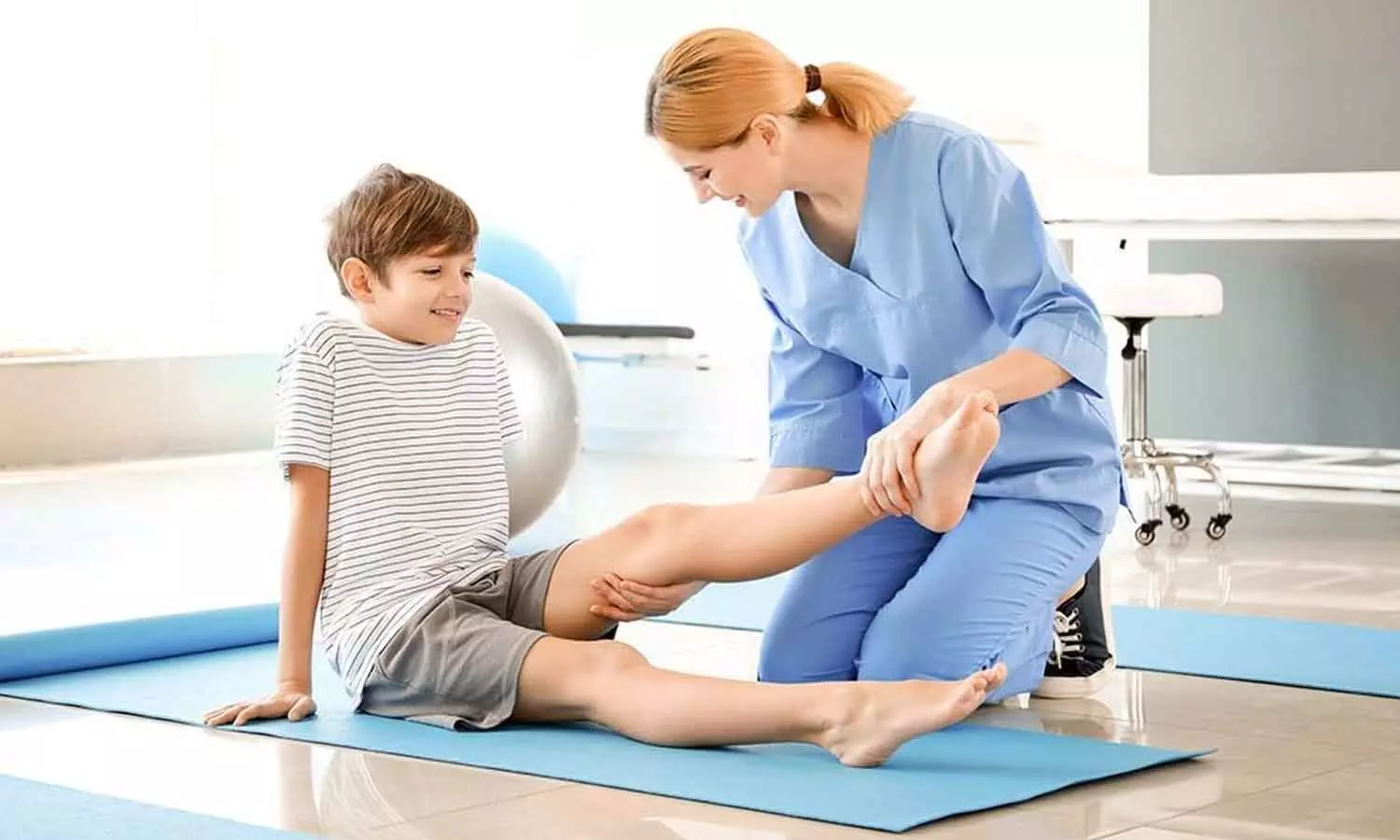
Active kids, strong bones: Building healthy habits early
Children spend much of their time running, climbing, jumping and playing. These activities support physical development, coordination and fitness, but they also place demands on growing bones and joints. Paying attention to musculoskeletal health during childhood can help children stay active and recognise problems before they become more serious.
Bones continue to grow and develop throughout childhood and adolescence. Adequate nutrition, regular physical activity and sufficient sleep all contribute to healthy development. Calcium-rich foods, vitamin D and a balanced diet support bone health, while age-appropriate weight-bearing activities, such as walking, running and playing outdoor games, help strengthen bones and muscles.
However, active children can experience injuries, particularly during sports and playground activities. Sprains, strains and fractures may occur following falls, collisions or sudden movements. Persistent swelling, severe pain, difficulty putting weight on a limb or an obvious change in the shape of a bone should be assessed promptly by a healthcare professional.
Joint pain in children also deserves attention. While temporary soreness can follow strenuous activity, recurring pain, unexplained swelling, stiffness or discomfort that affects walking and everyday activities should not be dismissed as ordinary growing pains. In some cases, symptoms may be associated with inflammation, developmental conditions or other medical problems that require evaluation.
Doctors emphasise the importance of observing changes in a child’s movement and activity levels. A child who repeatedly avoids physical activity, develops a limp or experiences pain that interrupts sleep may need medical assessment. Early evaluation can help identify the cause and guide appropriate treatment.
Prevention also plays an important role. Children should use suitable protective equipment during sports, wear well-fitting footwear and learn safe techniques for physical activities.
Adults should encourage regular movement while allowing adequate rest and recovery after strenuous exercise.


