




Maha govt approves amendments to PPP Policy 2026 to accelerate infrastructure development
In Short
The updated framework follows cabinet approval and aims to bring greater clarity, administrative simplification, and efficiency to infrastructure projects across the state.

Share :
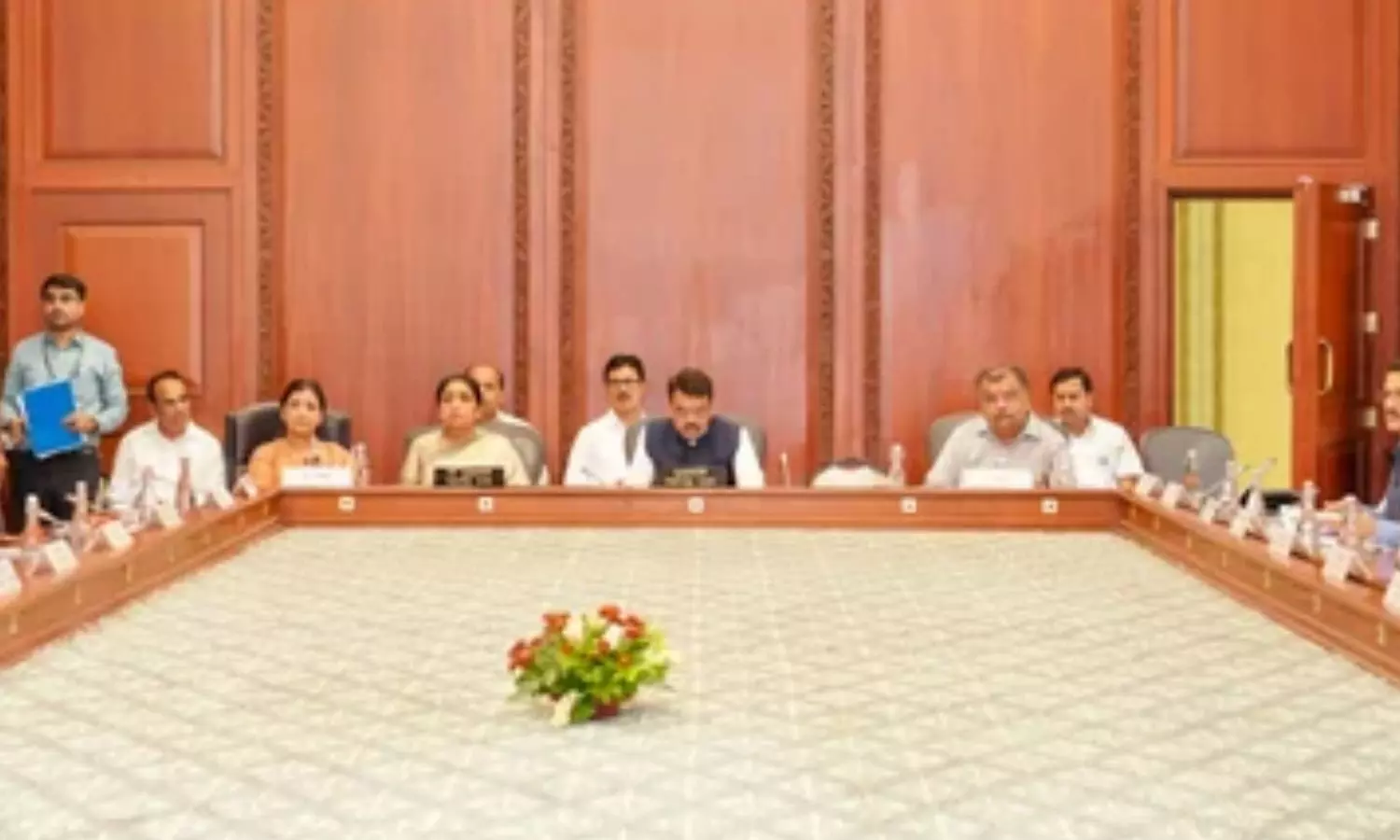
Chief Minister Devendra Fadnavis
Mumbai: In a significant move to boost infrastructure growth and streamline project execution, the Maharashtra Cabinet, chaired by Chief Minister Devendra Fadnavis, on Tuesday approved the key structural and procedural amendments to its Public-Private Partnership (PPP) Policy 2026.
The updated framework follows cabinet approval and aims to bring greater clarity, administrative simplification, and efficiency to infrastructure projects across the state. The PPP framework is anchored on point 100 of the "Viksit Maharashtra @ 2047" vision document.
A Viability Gap Funding (VGF) allocation of Rs. 200 crore has been provisioned for the financial year 2026–27. Following requests from the Maharashtra Institution for Transformation (MITRA) for enhanced clarity and simplification, a total of 11 specific policy amendments have been advanced.
The proposed modifications address various operational stages of project development and governance.
The policy introduces clear definitions for Viability Gap Funding (VGF) and establishes updated guidelines regarding developers and project authority ownership/risks in instances where the policy is not applicable.
To reduce bureaucratic bottlenecks, one tier of scrutiny by the Network Planning Group committee concerning in-principle project approvals has been omitted.
Additionally, the Chief Executive Officer of MITRA will now be invited to meetings of the Cabinet Infrastructure Committee during PPP project approval phases. Projects involving Government assistance, land, or premiums up to Rs 25 crore will require formal approval from the Empowered Committee.
Projects valued at Rs 25 crore and above will require approval from the Cabinet Infrastructure Committee (CCI) based on recommendations from the Empowered Committee.
The policy refines provisions governing Project Development Funds (PDF), departmental project evaluations, development through Special Purpose Vehicles (SPVs), project sanctions, and the engagement of Transaction Advisors (TA) and Law Firms. A major addition to the framework is the introduction of a new policy concept under Clause 13 (Asset Monetisation).
This initiative is designed to unlock revenue by enhancing the economic value of public assets—such as land and buildings—that are not commercially viable for standard PPP development, provided they remain consistent with the goals of the "Viksit Maharashtra @ 2047" vision.
Under the updated PPP guidelines, projects follow a systematic progression from inception to completion. Preliminary feasibility studies, public interest evaluations, and Value for Money assessments will be conducted by the concerned department, with optional Project Development Fund (PDF) support. Formulation of techno-economic feasibility reports, draft RFPs (Request for Proposal) and concession agreements will be made alongside transaction advisors and law firms.
Securing mandatory initial approvals (EC/CCI) prior to market launch will be followed by transparent competitive bidding evaluated on a single financial parameter.
Final award approvals, execution of concession agreements with selected developers or SPVs, and rigorous implementation monitoring will be done by the Empowered Committee, with grievance mechanisms established for issues exceeding Rs 5 crore.


