






- HERIF launched to boost funding for Telangana universities
- TVK govt defied SC order on Deepam, alleges Tamilisai
- Slaps Rs 2.55 crore fines on builders
- TG RERA cracks whip on Aliens Developers
- BRS, Left protest near HMDA office over sale of sarkari lands in Hyd’bad
- After Banakacherla, now Palnadu: Harish Rao targets Revanth
- Poor upkeep of STPs will face HYDRAA stick: Ranganath
- Flyovers won’t fix Hyderabad’s traffic woes: London expert
No cameras, no clips: HC cracks down on recording hearings
In Short
In a move aimed at regulating the recording and circulation of judicial proceedings, the High Court has prohibited unauthorised audio and video recordings, photography and the sharing of screenshots relating to court hearings.

Share :
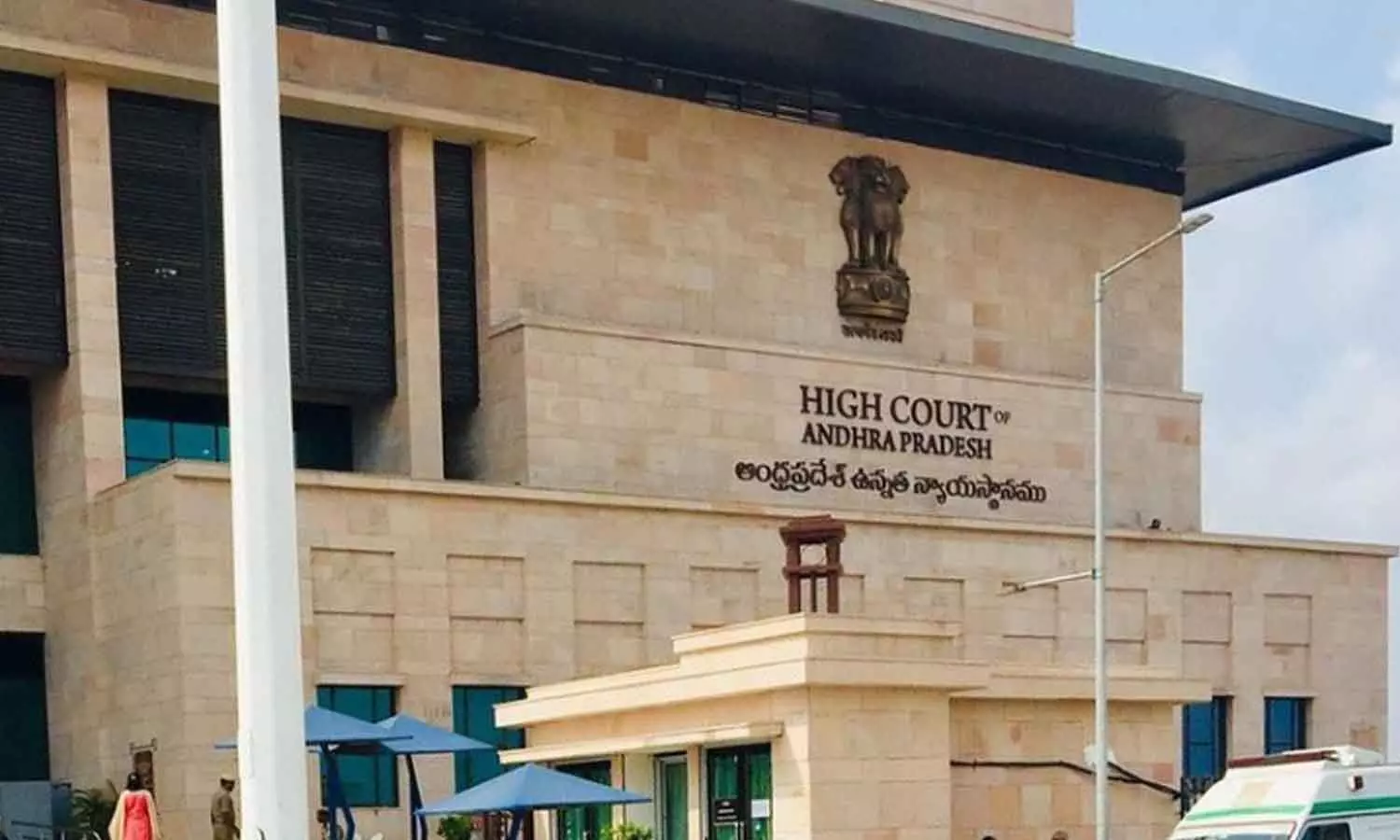
The Andhra Pradesh High Court
Amaravati: The Andhra Pradesh High Court has issued key directions imposing restrictions on the recording, reproduction and dissemination of court proceedings without prior permission from the court.
In a move aimed at regulating the recording and circulation of judicial proceedings, the High Court has prohibited unauthorised audio and video recordings, photography and the sharing of screenshots relating to court hearings.
According to the directions, individuals are not permitted to record court proceedings through audio or video devices or take photographs and screenshots without obtaining the court’s permission. The restrictions also extend to broadcasting, uploading or circulating such material through social media platforms, websites and mobile applications.
The High Court has made it clear that live streaming of court proceedings cannot be undertaken without its prior approval. No individual or organisation can independently livestream hearings or transmit proceedings through digital platforms without obtaining explicit permission from the court.
The directions apply to advocates, litigants, media representatives, court staff and other individuals attending or accessing court proceedings. The restrictions cover both proceedings conducted in person and those held through video conferencing, according to reports.
The High Court has warned that any violation of these instructions will be viewed seriously and may invite appropriate legal action under the applicable laws, rules and judicial orders.
The court stated that the restrictions are intended to protect the dignity and sanctity of judicial proceedings, maintain discipline in courtrooms and ensure the orderly functioning of the judicial system.
The directions underline that court proceedings cannot be treated as content that individuals are free to record and circulate on digital platforms. Any recording, transmission or publication of such proceedings must strictly comply with the court’s authorisation and applicable rules.
The order does not amount to a blanket ban on legitimate news reporting about court proceedings. Media organisations can continue reporting judicial developments, court observations and judgments, but unauthorised audio and video clips of hearings cannot be used.


