




- StemSpark Resonance student wins Bharatanatyam competition
- Collector Keshav Patil’s push for accountable governance
- Congress workers told to increase voter registrations
- Water from Kinnerasani won’t be released for rabi cultivation
- Delhi to install 1 lakh smart streetlights, 50,000 CCTV cameras for Women’s Safety
- 52nd All India Orientalist Conference to be held in Haridwar from Oct 31
- HC asks ex-finance secretary to mute remarks in podcast
- Illegal firecracker unit busted in northeast Delhi, 3 arrested
Bengaluru double-decker Metro plan shelved
In Short
BMRCL cancels civil tenders as Rs 9,700-crore proposal fails to secure Centre’s approval; four flyovers and a tunnel planned as alternatives

Share :
Bengaluru double-decker Metro plan shelved
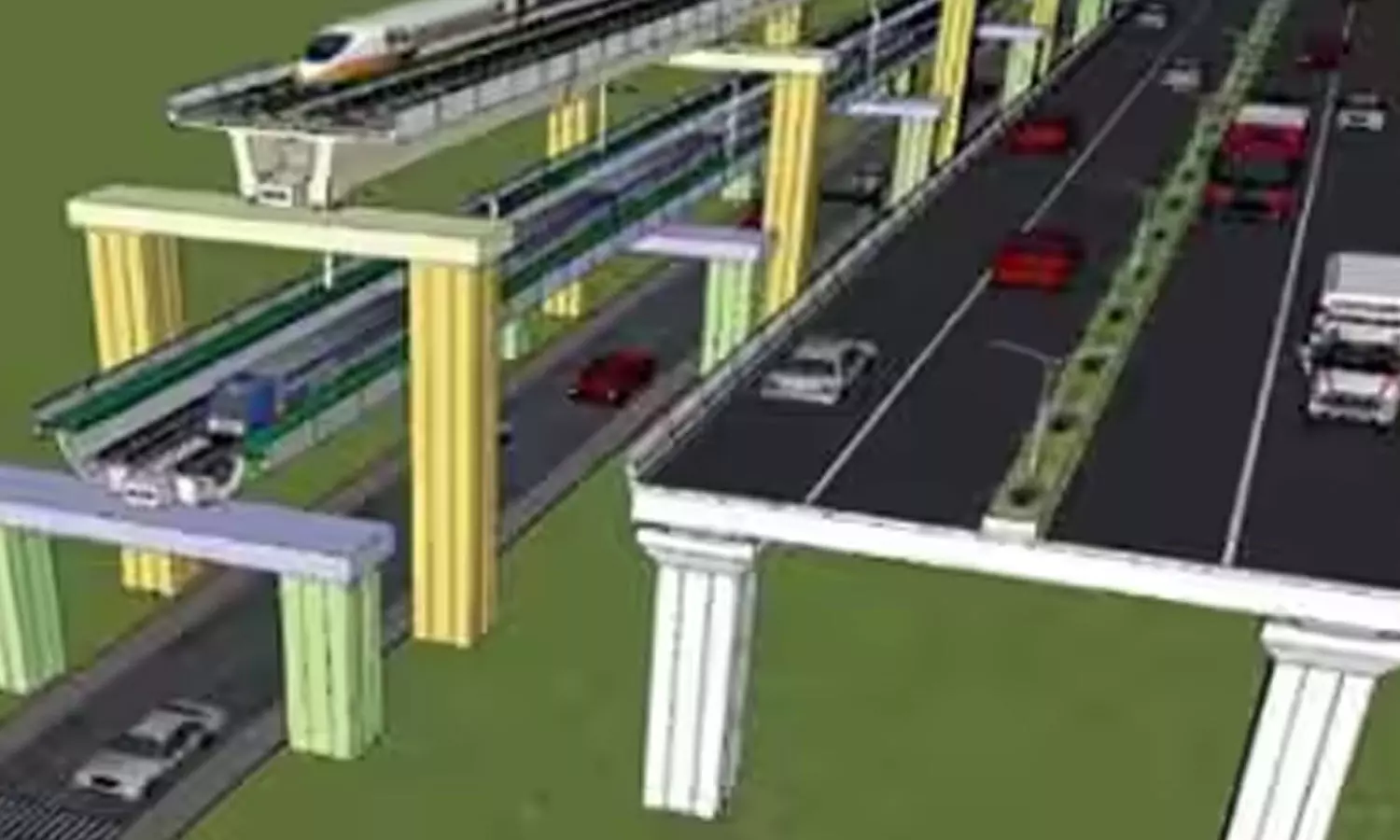
Bengaluru: The Bangalore Metro Rail Corporation Limited (BMRCL) has permanently shelved its proposed double-decker infrastructure project covering 44.65 km across Bengaluru after the plan failed to secure approval from the Union government. The corporation has cancelled three civil work tenders linked to the project and is now planning four flyovers and a tunnel as alternatives along the Orange Line Metro corridor.
The proposed double-decker project comprised a 32-km stretch from JP Nagar 4th Phase to Kempapura and another stretch connecting Kadabagere and Hosahalli. The estimated cost of the project was Rs 9,700 crore, which the state government had offered to bear. However, approval from the Union Ministry of Housing and Urban Affairs had not been granted.
Under the alternative plan, BMRCL proposes to construct a 1.36-km flyover near the Sarakki signal and another 1.56-km flyover connecting the Kamakya, Ittamadu and Hosakerehalli junctions. A mini flyover measuring around 600 metres is planned at Sumanahalli on Magadi Road, while a 4-km flyover is proposed between Kadabagere and Herohalli. In addition, a tunnel road of approximately 2 km is planned at Goraguntepalya.
The double-decker proposal had faced concerns over its potential impact on metro ridership and traffic patterns. A study conducted by the Indian Institute of Science (IISc) reportedly warned that constructing flyovers alongside metro corridors could encourage people to continue using private vehicles instead of public transport. This, in turn, could reduce metro ridership and increase air pollution and carbon emissions.
The Centre reportedly expressed concerns that the double-decker infrastructure could encourage more road traffic and reduce the number of people using the metro. The Karnataka government, however, maintained that the project would help ease Bengaluru’s traffic congestion and had submitted another report supporting its proposal.
Despite the state government’s offer to fund the project, the proposal did not receive the necessary central approval. With the corporation now cancelling the civil tenders, the focus has shifted to smaller flyovers and a tunnel road as alternative infrastructure measures. The move marks a setback for the state government’s plan to combine metro infrastructure with elevated roadways to address Bengaluru’s traffic congestion.


