




Karnataka completes minor irrigation, water bodies census fieldwork
In Short
The census was conducted with full financial assistance from the Union Ministry of Jal Shakti, taking 2023-24 as the base year. The fieldwork was completed in August 2026, the minister said.

Share :
Karnataka completes minor irrigation, water bodies census fieldwork
Bengaluru: Karnataka has completed the fieldwork for the seventh Minor Irrigation Census and second Census of Water Bodies, with 14,18,894 groundwater schemes, 77,573 surface water schemes and 38,960 water bodies recorded, Minister for Minor Irrigation and Science and Technology D K Shivakumar said on Sunday.
The census was conducted with full financial assistance from the Union Ministry of Jal Shakti, taking 2023-24 as the base year. The fieldwork was completed in August 2026, the minister said.
The exercise covered 30,671 villages, 300 urban local bodies and 7,128 urban wards across the state.
The data collected would help the government assess the status of water resources and scientifically plan irrigation and water conservation measures, he said.
“Accurate water data is crucial in the face of drought, declining groundwater levels and climate change. Information on the number of water bodies and the status of groundwater and surface water schemes will help us formulate irrigation and conservation programmes based on actual requirements,” he said.
The Minor Irrigation Census covered schemes having an irrigation potential of up to 2,000 hectares, while the water bodies census collected information on lakes, tanks and other water resources, officials said. The minister said the census data should not remain confined to a report and should instead be used to prioritise water security measures in drought-prone areas, restoration of water bodies, groundwater recharge, construction of check dams and lake-filling projects.
“Data-driven planning and technology will be used for efficient management of the state’s water resources,” he said. The data would also help identify areas requiring greater water conservation measures, regions that should be prioritised for groundwater recharge and locations where minor irrigation infrastructure needs strengthening, he said.
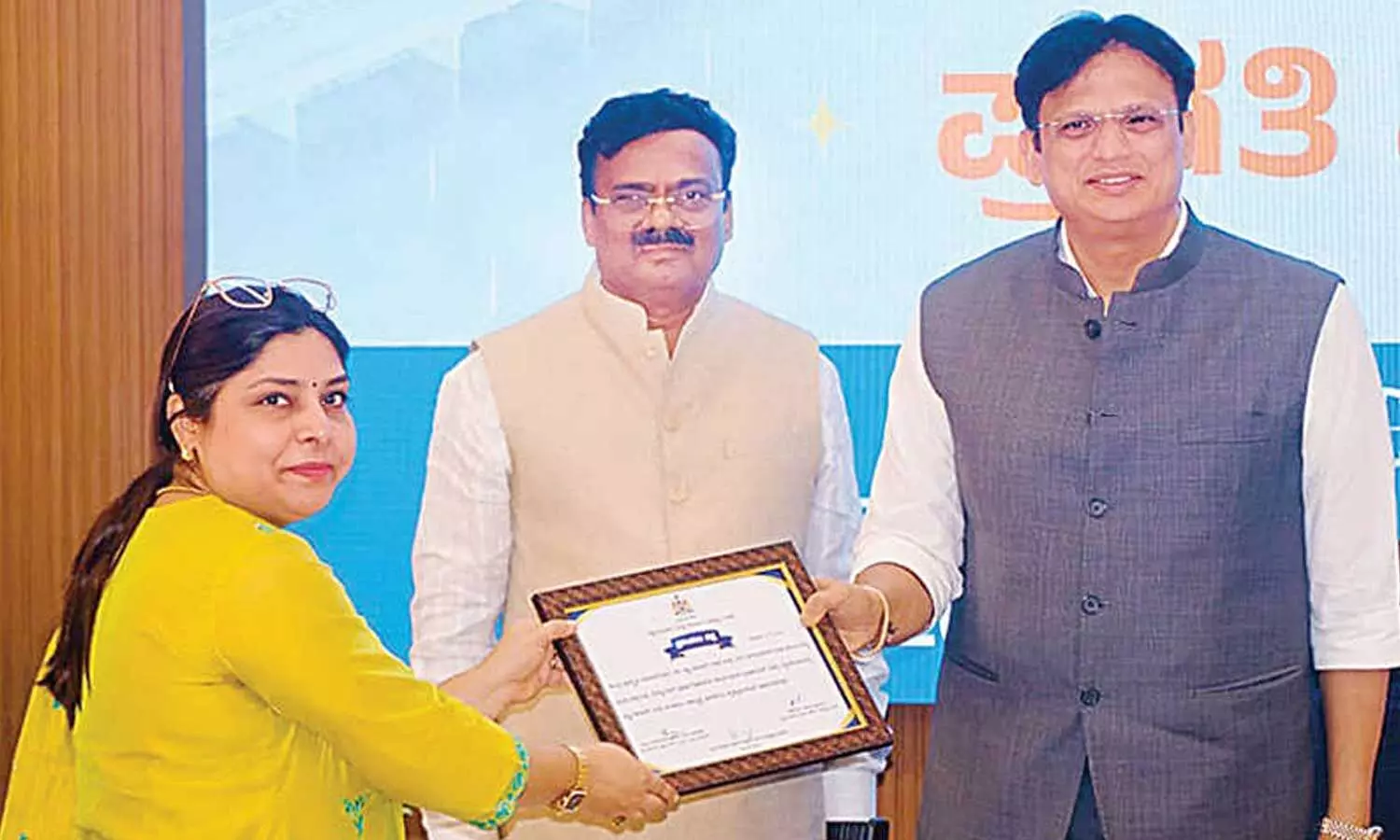
Dharmasingh appreciated officials and staff involved in the exercise and presented certificates of appreciation to those who had performed well.


