






- Kadapa ZP chairperson row rocks NDA
- Rajasthan: Congress wins 269 Panchayat Samitis, BJP 73
- Classification of land holding nature to be the basis for creation of 'land bank' for industries in West Bengal: CM Adhikari
- India and Nepal to discuss development cooperation and energy ties during Shah's visit to New Delhi
- No one discriminated against on religious grounds in India: Kiren Rijiju on Siraj selection row
- Google Taps Jeff Bezos’ Blue Origin for Space AI Data Centres
- Prabhadevi anti-encroachment demolition drive halted after Maha Dy CM Shinde talks with Railway Minister Vaishnaw
- Man sentenced to double life for Murder in Nalgonda
Groundwater levels decline sharply across TN as monsoon rain falls short
In Short
Deficient northeast monsoon rains pushed Tamil Nadu’s groundwater table down by 2 to 4 metres in October across several districts—led by Tiruvannamalai (4.31m) and Chennai (1.54m)—while only Tirunelveli saw a marginal rise.

Share :
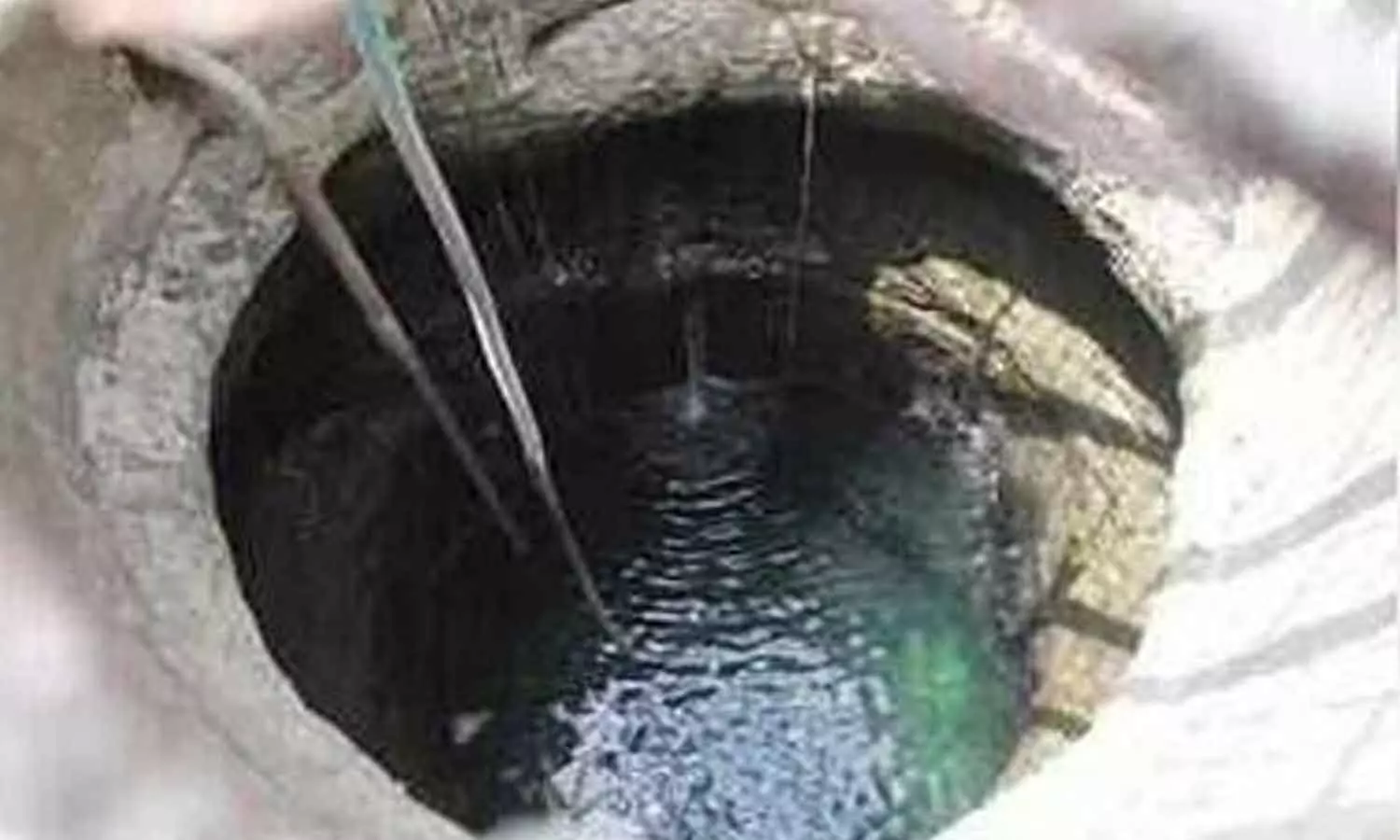
Chennai: Groundwater levels across Tamil Nadu have declined sharply, with several districts recording a fall of two to four metres in October compared to the corresponding period last year, raising concerns over water availability in the coming months.
Deficient rainfall during the ongoing northeast monsoon has adversely affected water storage in lakes, reservoirs and other water bodies across the state. The inadequate replenishment of surface water resources has also affected groundwater recharge, resulting in a significant decline in the water table.
According to a report released by the State Ground and Surface Water Resources Data Centre, which assessed groundwater conditions across all 38 districts of Tamil Nadu, Coimbatore recorded a groundwater depth of 13.70 metres below ground level in October. Karur recorded a groundwater depth of 11.38 metres, followed by Erode at 9.70 metres, Namakkal at 9.59 metres and Dindigul at 9.08 metres.
Groundwater depths in several other districts ranged between six and nine metres, indicating widespread depletion of underground water reserves. The year-on-year comparison revealed a particularly alarming situation in Tiruvannamalai district, where the groundwater level declined by 4.31 metres, the steepest fall among the districts highlighted in the report. Tirupattur recorded a decline of 3.78 metres, followed by Kallakurichi at 3.12 metres, Coimbatore at 2.89 metres and Ranipet at 2.84 metres.
Several other districts witnessed a reduction of between two and three metres compared to October last year. Chennai has also witnessed a considerable decline in groundwater availability. The groundwater depth in the state capital, which stood at 3.55 metres below ground level in October last year, increased to 5.09 metres this October, indicating a decline in the water table of 1.54 metres.
Interestingly, Tirunelveli was the only district to register an improvement in groundwater levels, recording a marginal rise of 0.07 metres compared to the corresponding period last year. Declining groundwater levels could pose significant challenges to agricultural activities, drinking water supplies and households dependent on borewells, particularly in districts where groundwater remains a major source of water.


