






ACB uncovers misdeeds across NIMS departments
In Short
Rs 45-crore implant stock found without authorisation; Rs 66 lakh in bills raised after patient discharge

Share :
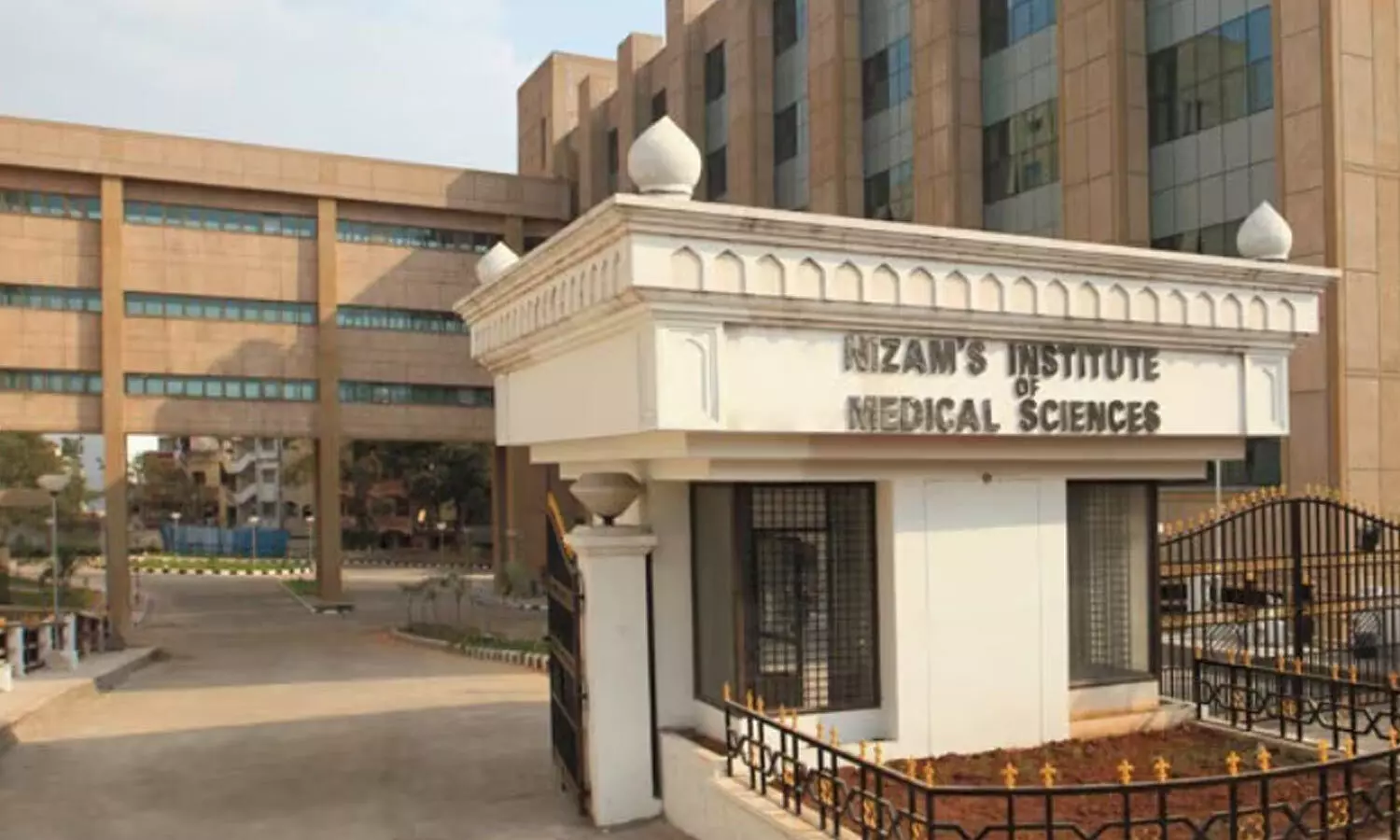
Nizam’s Institute of Medical Sciences
Hyderabad: A series of surprise inspections by the Anti-Corruption Bureau (ACB) at Nizam’s Institute of Medical Sciences (NIMS), has uncovered a series of alleged administrative, financial and procedural irregularities across several departments, raising serious concerns over procurement, patient billing, manpower recruitment and hospital management.
The inspections were conducted on October 29 and November 2, jointly by the ACB and specialised teams from TG SAFE (Food Safety), the Drug Control Department and the Labour Department.
During the inspection, in the five operation theatres, officials found that vendors had stored implants and consignment items worth approximately Rs 45 crore in almirahs near the operation theatres and OT sub-stores without authorisation and in violation of prescribed procedures.
According to ACB, during the inspection doctors and nursing staff were directly obtaining implants from vendors without raising indents through the hospital’s main store. After the implants were used, doctors would issue utility certificates and forward them, along with vendor invoices, to the main store for billing.
The ACB pointed out that it could create scope for collusion with suppliers and the possibility of generating utility certificates for implants that were never actually used, leading to questionable billing.
ACB found several instances where bills were processed even after patients had been discharged, particularly in cases covered under the Aarogyasri health scheme, under which the government bears the treatment expenses.
In some cases, billing was reportedly carried out as late as three months after a patient’s death. Billing entries amounting to Rs 66 lakh were made after patient discharge during July, August and September.
Hospital records showed the consumption of as many as 800 surgical gloves for a single patient in one week. The ACB noted that most of the irregularities identified in this regard patients admitted under the Aarogyasri scheme.
Moreover, the tender process for manpower services had reportedly not been completed during the 2019–2025 period. Violations were noticed in the appointment of workers and their subsequent conversion into the semi-skilled category. Officials also found indications of possible collusion in recruitment-related activities. The main canteen was found operating under unhygienic conditions, with expired food items and without mandatory FSSAI registration. Labour law violations were also noticed. Preliminary scrutiny of the canteen tender process indicated possible anti-competitive practices and collusion among bidders. Officials also found that mandatory sale records were not being maintained and unregistered workers were being employed. The tender process for allotment of these shops is also under scrutiny. The ACB noticed abnormal delays in finalising tenders and repeated extensions of existing contracts. A bank guarantee worth Rs 28.13 lakh belonging to a defaulting agency had not been forfeited.


