




Farmers urged to switch to dryland crops as El Nino threat looms large
In Short
Deputy Chief Minister Mallu Bhatti Vikramarka and agriculture officials advise judicious water usage during high level video conference

Share :
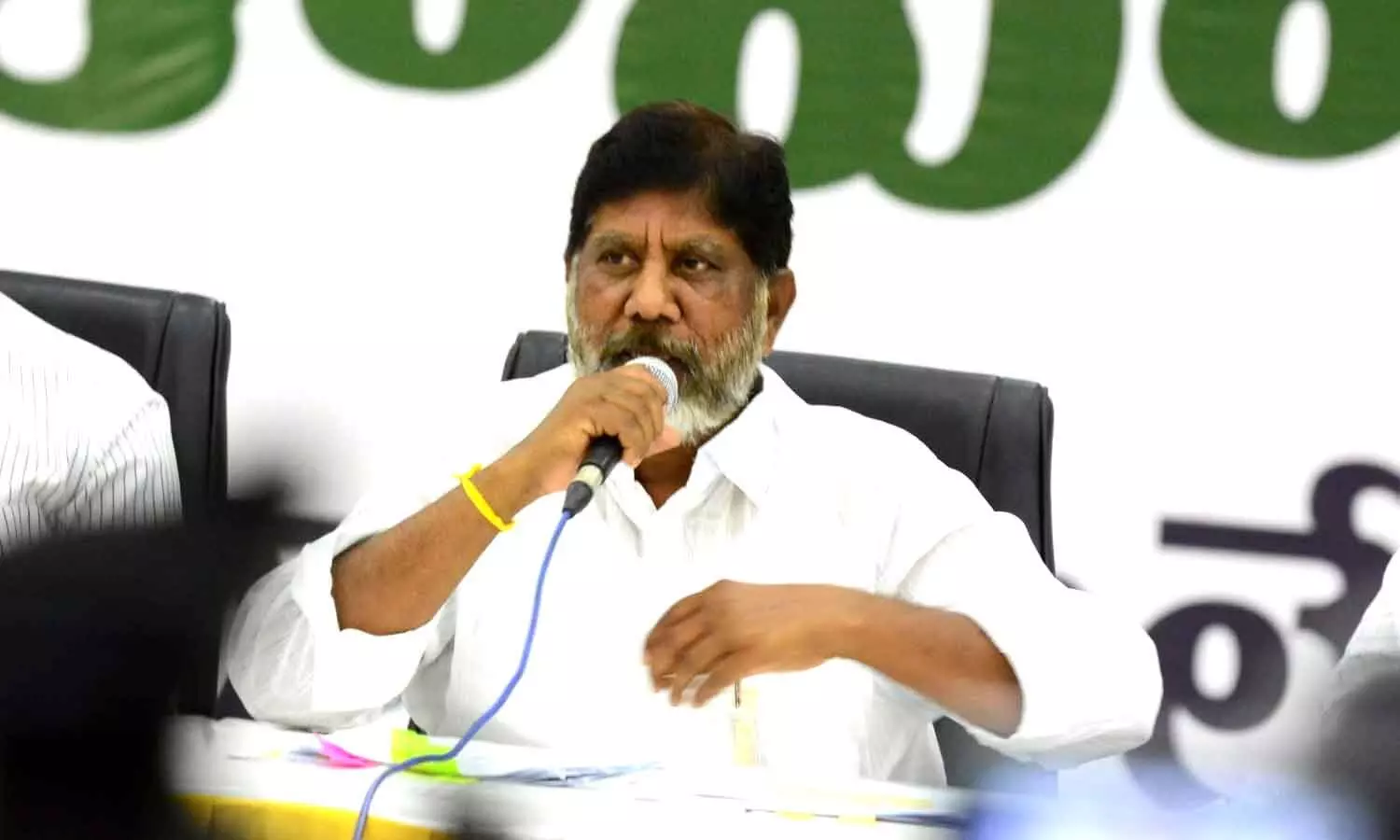
Deputy Chief Minister Bhatti Vikramarka
Hyderabad: The Telangana Government urged farmers to use water and energy resources judiciously amid severe weather conditions expected from El Nino, warning of potential rainfall shortages and elevated temperatures across the state.
As part of the Rythu Nestham initiative on Monday, Deputy Chief Minister Mallu Bhatti Vikramarka, Agriculture Minister Tummala Nageswara Rao, Transport Minister Ponnam Prabhakar, and Chief Secretary Sanjay Jaju held a video conference with District Collectors, agricultural officials, and farmers.
Bhatti Vikramarka stated that El Nino conditions could persist until 2027, potentially impacting agricultural output and general water availability. He directed administrative departments to prioritise drinking water supplies while ensuring adequate water and fodder for livestock, adding that the government is implementing proactive measures to minimise crop losses.
Agriculture Minister Tummala Nageswara Rao advised farmers to avoid cultivating water-intensive paddy and cotton during the Rabi season, encouraging them to adopt rain-fed, short-duration crops, pulses, and oilseeds while urging inter-departmental coordination for water conservation.
Chief Secretary Sanjay Jaju revealed that Telangana recorded a rainfall deficit of approximately 20 per cent, with all 33 districts receiving below-normal precipitation. He stressed that municipal drinking water needs will take precedence over irrigation requirements in upcoming months. Officials highlighted reduced river inflows into the Krishna and Godavari basins, falling groundwater levels, and diminished hydropower generation.
Special state and district war rooms will be set up to monitor drought conditions and coordinate response operations. Agricultural scientists recommended alternative crops including green gram, black gram, chickpea, groundnut, sunflower, sesame, and safflower alongside water-efficient cultivation practices. Furthermore, the state plans special measures to secure drinking water and fodder supplies for livestock.


