






- Trinamool infighting: Ritabrata faction's X account suspended, blames Mamata group
- Apple Smart Glasses May Launch in 2027, Takes on Meta Ray-Bans
- Mahesh Babu’s Varanasi Team Teases A Massive Update
- Adani Group a hard-asset play, Jefferies bullish on six firms amid $51 billion capex
- Drought forcing K'taka farmers to sell cattle at throwaway prices: BJP
- Jay Shah Reappointed As ICC Chairman For Second Term, Elected Unopposed
- TN govt to restore dilapidated ancient Choleeswarar temple
- Shiv Sena(UBT) questions legality of 'phone tapping'; cites Telecom, Telegraph Acts in 'Samaana'
Financial incentives for unanimous polls strike at the roots of democracy
In Short
- Political analysts, intellectuals express grave concern over State government's move
- Unanimous elections may threaten the future of democratic process -Money power, coercion and backroom deals threaten grassroots democratic values

Share :
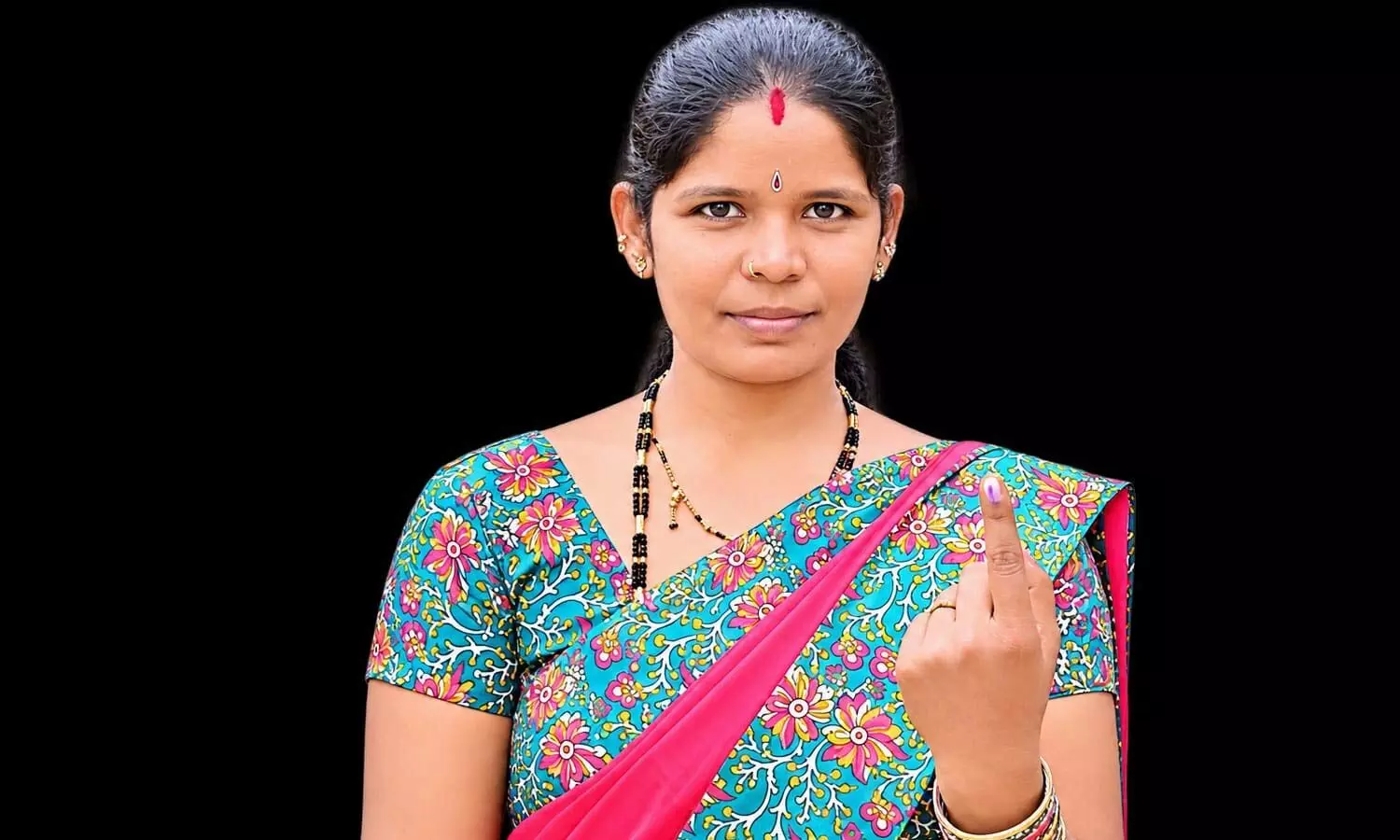
Financial incentives for unanimous polls strike at the roots of democracy
The State government's decision to offer financial incentives to gram panchayats for conducting unanimous elections has triggered serious concern among political analysts and intellectuals, who view the move as a potential threat to the fundamental spirit of democracy. They argue that while promoting village unity and consensus is a welcome objective, encouraging unanimous elections through financial inducements is not a healthy practice in a democratic country. Democracy is not about avoiding elections but ensuring that every citizen enjoys the freedom to contest, campaign, question and elect a representative of their choice. Any attempt to discourage electoral contests could gradually weaken the foundations of grassroots democracy.
Political analysts and intellectuals have expressed grave concern that such financial incentives could turn democratic participation into a bargaining exercise. They caution that the policy may encourage political groups to engineer unanimous elections through money, pressure and behind-the-scenes negotiations rather than genuine public consensus. The absence of electoral competition cannot automatically be interpreted as a sign of unity or people's acceptance. They warn that if this approach continues, there could come a time when governments may prefer unanimous selections over democratic elections, gradually pushing the electoral system towards an undemocratic form of governance.
The growing allegations of money power, threats and political bargaining in local body elections have further heightened these concerns. Reports of sarpanch, MPTC, ZPTC, ward member and corporator posts allegedly being treated as commodities and negotiated for huge sums of money point towards an alarming deterioration in political standards. Analysts warn that when public representatives secure positions through financial influence rather than people's mandate, there is a possibility of their attempting to recover their investments through corruption, commissions and misuse of public funds. Such trends could ultimately undermine public accountability and divert attention from genuine development.
The primary objective of local body elections is to identify capable, committed and accountable individuals who can address people's problems and ensure effective administration. Electoral contests provide voters with an opportunity to evaluate candidates' leadership qualities, public service records, competence and commitment. A unanimous election, however, does not necessarily establish a candidate's merit or public acceptance, particularly when consensus is achieved through inducements, intimidation or political manipulation. More importantly, when elections are discouraged in the name of unanimity, voters are effectively deprived of their fundamental democratic opportunity to exercise their right to vote and choose their representatives.
Intellectuals stress that encouraging unanimous elections today could pose a serious threat to the future of the electoral system. If this practice becomes a norm, successive governments may gradually move away from conducting elections and rely on predetermined selections, paving the way for a form of monarchism rather than democratic governance. In a democratic country, no financial incentive should come at the cost of people's voting rights. Local self-governing institutions must remain accessible to ordinary farmers, agricultural labourers, middle-class families and educated youth who aspire to enter public life. Financial resources should instead be utilised to strengthen village infrastructure and public services. Ultimately, democracy cannot survive by discouraging electoral competition; it can flourish only when every eligible citizen has the freedom to contest and vote without fear, favour or financial pressure.
"It Was Between Modibhai and Me, Not Congress and BJP": Pitroda
Another Severe Cyclone Threatens AP; Fishermen Told Not to Venture into Sea till November 19
BJP-SAD alliance nears final shape: BJP seeks 40 seats; formal announcement likely on Nov 24
Jay Shah Reappointed As ICC Chairman For Second Term, Elected Unopposed
PM Modi heads to Philippines for ASEAN-India, East Asia summits, says it will impart new energy to ties
Apple Tests New AI App for Health Questions


