






- Delimitation Bill a victory for South India, says BRS leader KTR
- India, Canada poised to seal historic free trade pact
- PM Modi hails Indian diaspora's initiatives in Canada; pays tribute to Sikh artist Sobha Singh
- Vijaya BPEd College wins women’s ball badminton title
- SVU to conduct training in ChatGPT, Claude, Gemini and Perplexity
- Nellore ready for phase-2 of panchayat polls
- ERO seeks parties cooperation for electoral roll revision
- SC judges visit historic courts in Rajamahendravaram
How India lifted 496 million people out of poverty in 12 years
In Short
The report on Zimbabwe’s Zim Now digital media platform cites the World Bank's October 2026 Poverty and Equity Brief

Share :
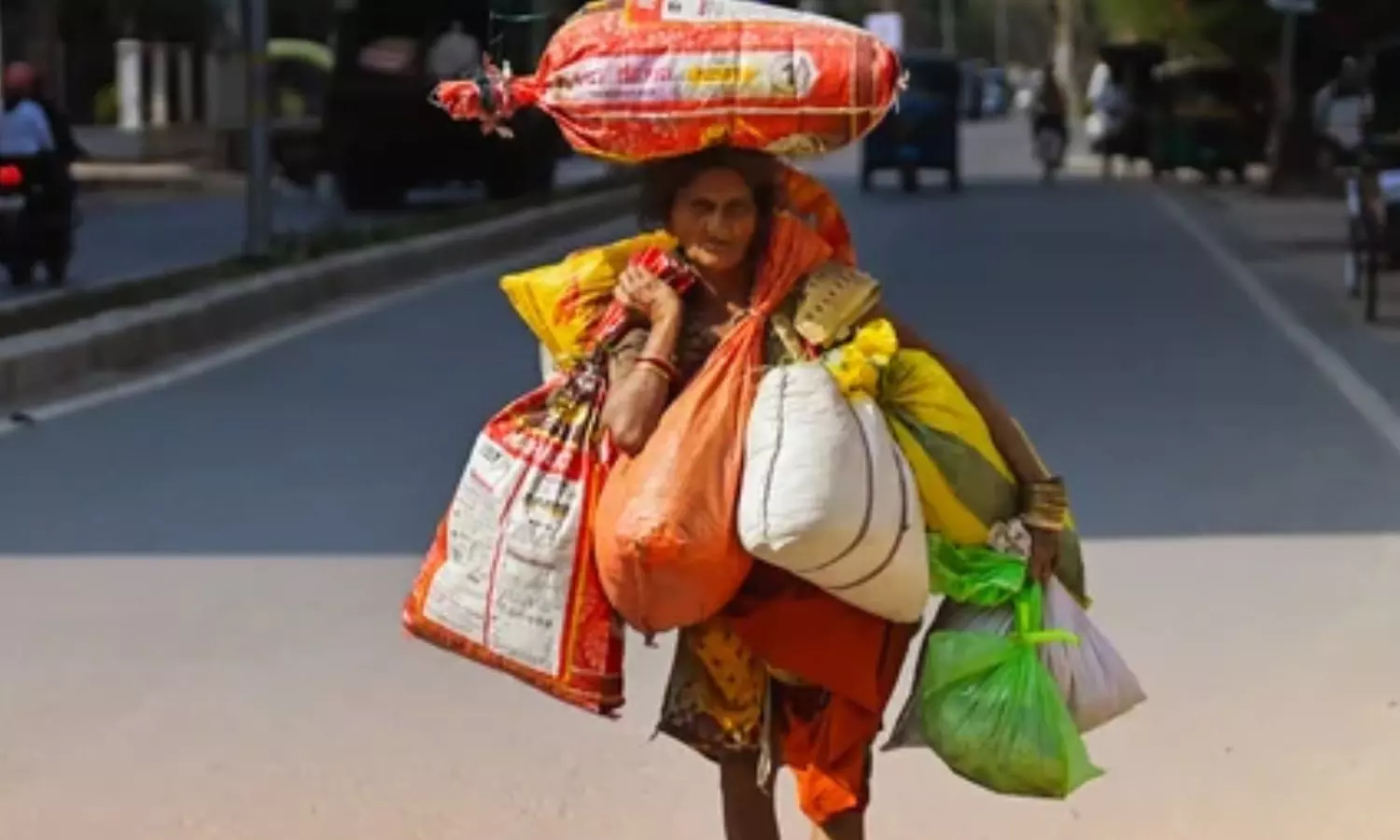
estimated 496 million people in India moved out of poverty, with in just 12 years,
New Delhi: Between 2011 and 2023, an estimated 496 million people in India moved out of poverty, with in just 12 years, the proportion of those living below the lower-middle-income poverty line fell from nearly six in every ten to fewer than two in ten, according to an article.
The report on Zimbabwe’s Zim Now digital media platform cites the World Bank's October 2026 Poverty and Equity Brief, which recognises India as having recorded one of the fastest declines in poverty in the world over the past decade. Between 2011 and 2023, the share of India's population living below the lower-middle-income poverty line of $4.20 a day fell from 57.7 per cent to 16.1 per cent. Extreme poverty, measured at $3 a day, declined from 27.1 per cent to just 2.6 per cent.
Both thresholds are measured using 2021 purchasing power parity, which takes into account differences in what money can buy in different countries. However, poverty is not simply about how much money a person has. It is also about whether a family has access to education, electricity, clean water, sanitation and other essentials of a dignified life, the report pointed out.
The Oxford Poverty and Human Development Initiative's measure of multidimensional poverty in India declined from 53.8 per cent in 2005-06 to 16.4 per cent in 2019-21. Using its own measure, the World Bank recorded multidimensional poverty at 15.5 per cent in 2022-23. Although these measures cover different periods and use different methodologies, they point towards a substantial improvement in people's living conditions, the report observed.
By 2022, 99 out of every 100 Indians had access to electricity. For a household, electricity means children can study after sunset, food can be refrigerated, and small enterprises can extend their productive hours.
Significantly, both rural and urban households experienced substantial improvements in welfare, with faster progress in rural India helping to narrow the gap between the two. India's experience demonstrates the importance of economic growth translating into tangible improvements in the daily lives of ordinary citizens.
However, the report also points out that challenges remain in other basic services. In 2022, nearly three in ten Indians still lacked sanitation meeting limited-service standards, while 6.4 per cent lacked drinking water meeting such standards.
Tejashwi demands quota within 33 per cent women reservation for EBC, Dalit, and minority communities
Adani Group-backed BHU art initiative showcases 800 student works at Banaras Biennale
Former CJI Khehar attends RSS event, credits 'Sangh' for sheltering Sikhs during 1984 riots
'Voice of Hind' terror plot: Fifth accused convicted, sentenced to 5-year rigorous imprisonment
AP Panchayat elections live updates: Second phase of Andhra panchayat polls begins
Around 9336 contestants to fight third phase panchayat polls
Congress’s ‘Brother Stalin’ Outreach Fails; No Rethinking ‘Brother Stalin’ Tells ‘Brother Rahul’
Last-Minute Damage Control: Embarrassed Congress Runs to Allies
Leaders welcome PM Modi's 'Mann ki baat'; highlight message on fitness, cyber fraud and drug abuse
INDIA bloc leaders meet Stalin in Chennai, urge DMK to reconsider support for delimitation bill


