




- Odisha CM stresses stronger action on health, nutrition and education
- BJP launching election campaign through investigative agencies, says Punjab CM
- CM Choudhary sets target of 1 Crore entrepreneurs, pushes Bihar-made products in government procurement
- People from North India tried to trap CM Shivakumar through private agency: Karnataka Minister Jarkiholi
- Canadian poet and essayist Anne Carson wins Nobel Prize in literature
- Congress should introspect instead of blaming EC for poll defeats: MP CM
- PM Modi Highlights India’s Digital Growth, Seeks Global Cybercrime Framework
- Everyone must participate in the mission to make Wanaparthy a TB-free district: District Collector Adarsh Surabhi
HPV vaccine linked to lower risk of pregnancy complications: Study
In Short
Human papillomavirus (HPV) is a common sexually transmitted infection. Persistent, high-risk infections can cause cervical cancer, among other types

Share :
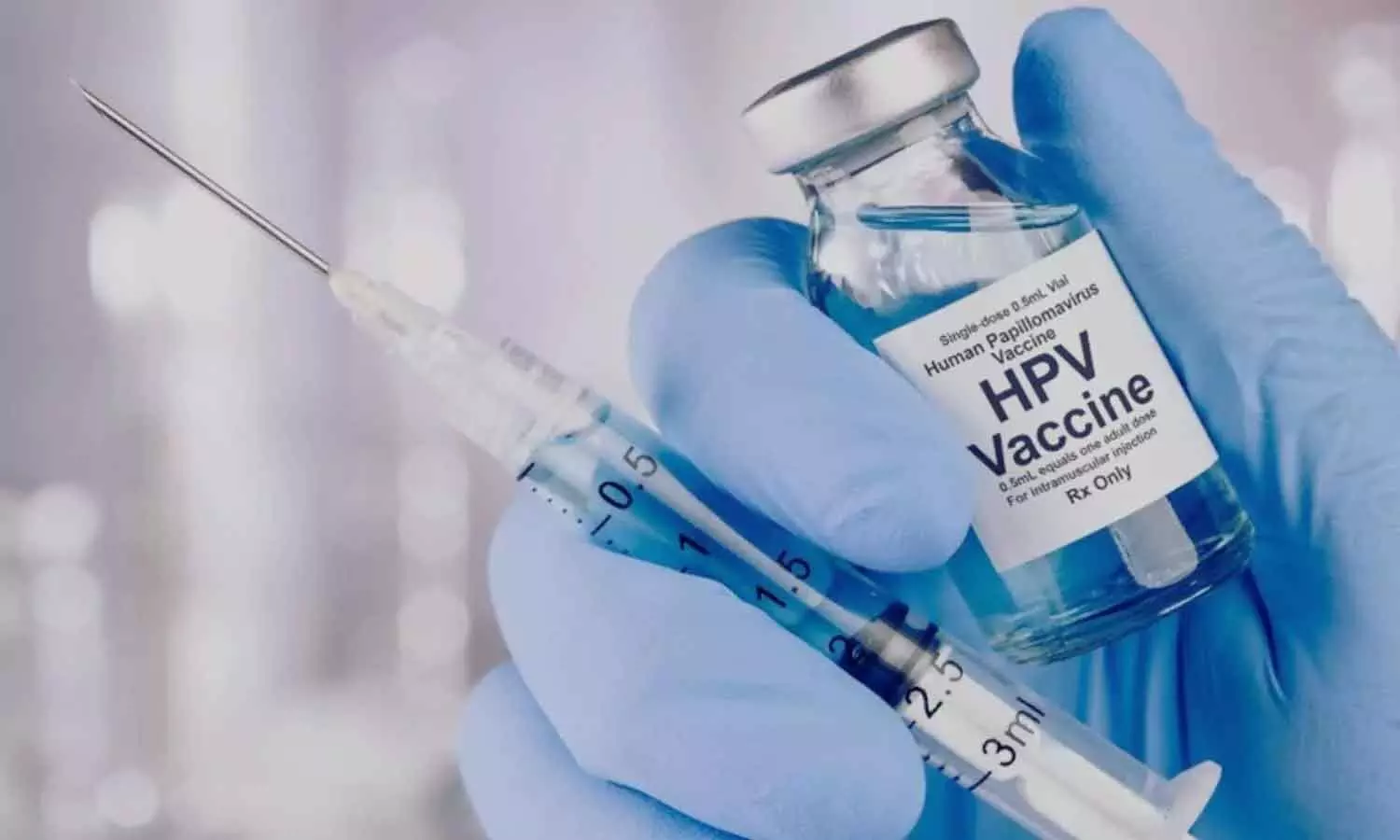
HPV vaccine linked to lower risk of pregnancy complications: Study
New Delhi: Getting vaccinated against HPV before pregnancy could be related with a lower risk of major pregnancy complications including preterm birth, suggesting that benefits of the HPV vaccine may extend beyond cancer prevention, according to Swedish research. Findings published in the British Medical Journal (BMJ) show that the greatest benefits in risk reduction were seen among women immunised at an earlier age.
Human papillomavirus (HPV) is a common sexually transmitted infection. Persistent, high-risk infections can cause cervical cancer, among other types.
Researchers, including those at Sweden’s Karolinska Institutet, said a growing evidence indicates that HPV infection, and the methods used to treat cervical lesions caused by HPV, are linked to an increased risk of pregnancy complications, including preterm birth, and therefore, preventing HPV holds potential benefits.
A 2025 study from Aberdeen in the UK, published in the European Journal of Obstetrics and Gynecology and Reproductive Biology, analysed 9,200 women with a pregnancy recorded between 2006 and 2020. It found that while there was no difference in rates of spontaneous preterm birth according to HPV vaccination status, other outcomes, including preterm prelabour rupture of membranes, pre-eclampsia and antepartum haemorrhage, may be significantly reduced in women immunised against HPV.
The team used data from nationwide Swedish registers to look at 624,713 single-child, first-time births among women aged 16-35 years between 2006 and 2023, of whom 92,620 (15 per cent) had received a quadrivalent human papillomavirus vaccination before pregnancy. The quadrivalent HPV vaccine targets four types of HPV, including two (HPV types 16 and 18) that are responsible for about 70 per cent of all cervical cancers. Adverse pregnancy outcomes that were looked at included preterm birth (before 37 weeks), very preterm birth (28 to 31 weeks), preterm and prelabour rupture of membranes, delivering a small or severely small baby, stillbirth, or newborn death.


