




- Rajnath Singh meets IAF personnel at Bengal's Bagdogra, says they serve as robust shield for security of eastern sector
- Heavy rain forecast for Tamil Nadu for next two days; eight districts on alert for Diwali
- Google Faces Lawsuit Over AI on School Laptops
- Petrol and diesel prices today in Hyderabad, Delhi, Chennai and Mumbai on 07 November 2026
- Gold and Silver rates today, 7 Nov in Hyderabad, Visakhapatnam, check gold prices of 18K, 22K, 24K
- Gold and silver rates today 7 Nov stable in Bengaluru and Chennai, check gold prices of 18K, 22K, 24K
- Gold and silver rates today, 7 Nov in Delhi, Mumbai, check gold prices of 18K, 22K, 24K
- Annamalai urges people to buy more crackers for Diwali, cites livelihood of eight lakh workers
Pakistan's iconic terror hubs turn symbolic as ISI shifts to multi-camp strategy
In Short
According to Pakistan's intelligence assessments, the destruction of JeM’s headquarters in Bahawalpur and LeT’s key training facility in Muridke exposed the vulnerability of maintaining large, centralized terror hubs.

Share :
Operation Sindoor
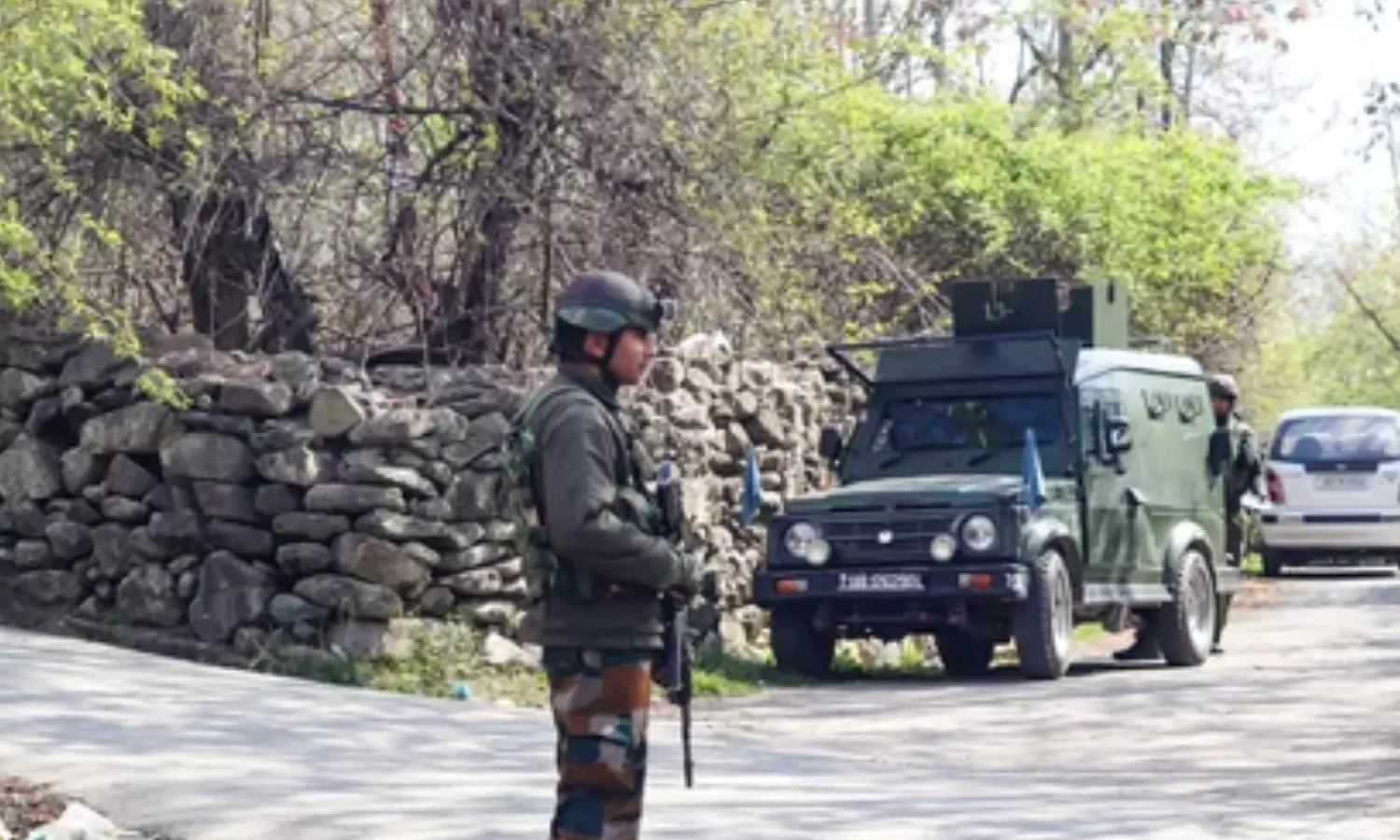
New Delhi: Operation Sindoor has dealt a major blow to Pakistan’s terror infrastructure, forcing the ISI to overhaul the operational structure of terror outfits such as Jaish-e-Mohammed (JeM), Lashkar-e-Taiba (LeT), and Hizbul Mujahideen.
According to Pakistan's intelligence assessments, the destruction of JeM’s headquarters in Bahawalpur and LeT’s key training facility in Muridke exposed the vulnerability of maintaining large, centralized terror hubs.
The ISI, along with the bosses of JeM, Lashkar-e-Taiba, and Hizbul Mujahideen, carried out these assessments. It was pointed out that the Indian armed forces were able to target terror bases with ease, as they were all in one place.
This led to the ISI suggesting setting up multiple bases across Pakistan and not just focusing on one main command or training centre. An official said that JeM was quick to rebuild its Bahawalpur headquarters. However, the activity there is extremely limited or minimal.
The headquarters stands as a symbolic structure and nothing else today. Not rebuilding the structure would have had a telling effect on the already demoralised cadres, the official said.
The case relating to the Hizbul Mujahideen and Lashkar-e-Taiba is also the same. The Muridke training facility of the LeT was also rebuilt after Operation Sindoor. Intelligence intercepts suggest that activity is very low at Muridke. The rebuilding was quick, as the LeT had to send out a message to its operatives.
After all, the Muridke training facility has remained an integral part of the LeT’s operations against India. Terrorists who carried out the Mumbai 26/11 attack, the 2005 Delhi bombings, and the 2000 Red Fort attack were all trained at this facility. Further, the Muridke facility was also used by cadres of the Jaish-e-Mohammed, a relatively new outfit at that time, to train for the 2001 Indian Parliament attack.
The ISI has also helped the Hizbul Mujahideen rebuild its training and transit facility, the Markaz Raheel Shahid at Koti in Pakistan-occupied Kashmir (PoK). Even the Mehmoona Jaya camp in Sialkot has been restored by the Hizbul Mujahideen and ISI.
An Intelligence Bureau official said that all intercepts picked during the ISI’s rebuilding exercise clearly indicate that the facilities rebuilt will remain symbolic in nature. All major attacks will not be executed from the multiple training facilities that have been set up. The ISI has directed them to maintain a very low profile while training at these facilities.
Even if a facility gets taken during an Indian Operation, the damage would be limited, as terror operations can continue from another camp, the official said.
Further, the JeM and LeT have long been associated with Bahawalpur and Muridke, respectively. When such facilities are hit, it carries a loud message that could rattle the cadre and stall operations for long periods, the official said.
According to the new strategy, all three terror groups would work alongside each other. There would be no division, and all attacks would be unified. The likes of Hafiz Saeed, Masood Azhar and Syed Salahuddin would only remain symbolic and ideological heads, but the real control would be in the hands of the ISI.
All operations and the day-to-day affairs of these outfits are overseen directly by ISI’s Brigadier Iqbal and Colonel Owaiz.
Another official said that the command centre for these terror outfits is based in Khyber Pakhtunkhwa (KP), while the training facilities are spread across Pakistan. The new terror training camps and operational facilities are spread across Islamabad, Rawalpindi, Muzaffarabad and Rawalakot. There is no single facility in these places. The ISI has set up four to five facilities in each of these places, and training is imparted at various levels.
Moreover, operatives would not remain at just one hub, and they would be rotated. This would give them more exposure. Moreover, it makes tracking harder for the Indian agencies due to constant rotation and movement of the operatives, an official said.
Prabhu Deva's 'Bang Bang' producer Kannan Ravi hits back at detractors; trashes rumours of being a benami for politicians
Muhurat trading: Experts favour selective buying, caution against aggressive bets
Check Out The Whole New Side Of Nithiin From Alias Rukmini
Rahul Gandhi being used as 'foreign toolkit' to create anarchy: BJP chief Nitin Nabin


