






- Tourism development proposals submitted
- Twin blast threat puts Hyderabad police on high alert
- Midnight downpour floods Hyderabad roads
- Fire breaks out at GHMC Zonal Office in Khairatabad
- Bhatti seeks Rs 25,096 crore for Telangana power sector upgrade
- Government unveils Rs 10,000 cr drought mitigation plan
- Tunnel-14 breakthrough boosts Rishikesh-Karanprayag rail link
- HYDRAA gives STPs one-month deadline
Quack clinics reopen within a day of cases being booked
In Short
100 persons were allegedly found practising without the required qualifications or permissions. Complaints were filed at the respective police stations but that hasn’t deterred unlicensed practitioners from resuming operations

Share :
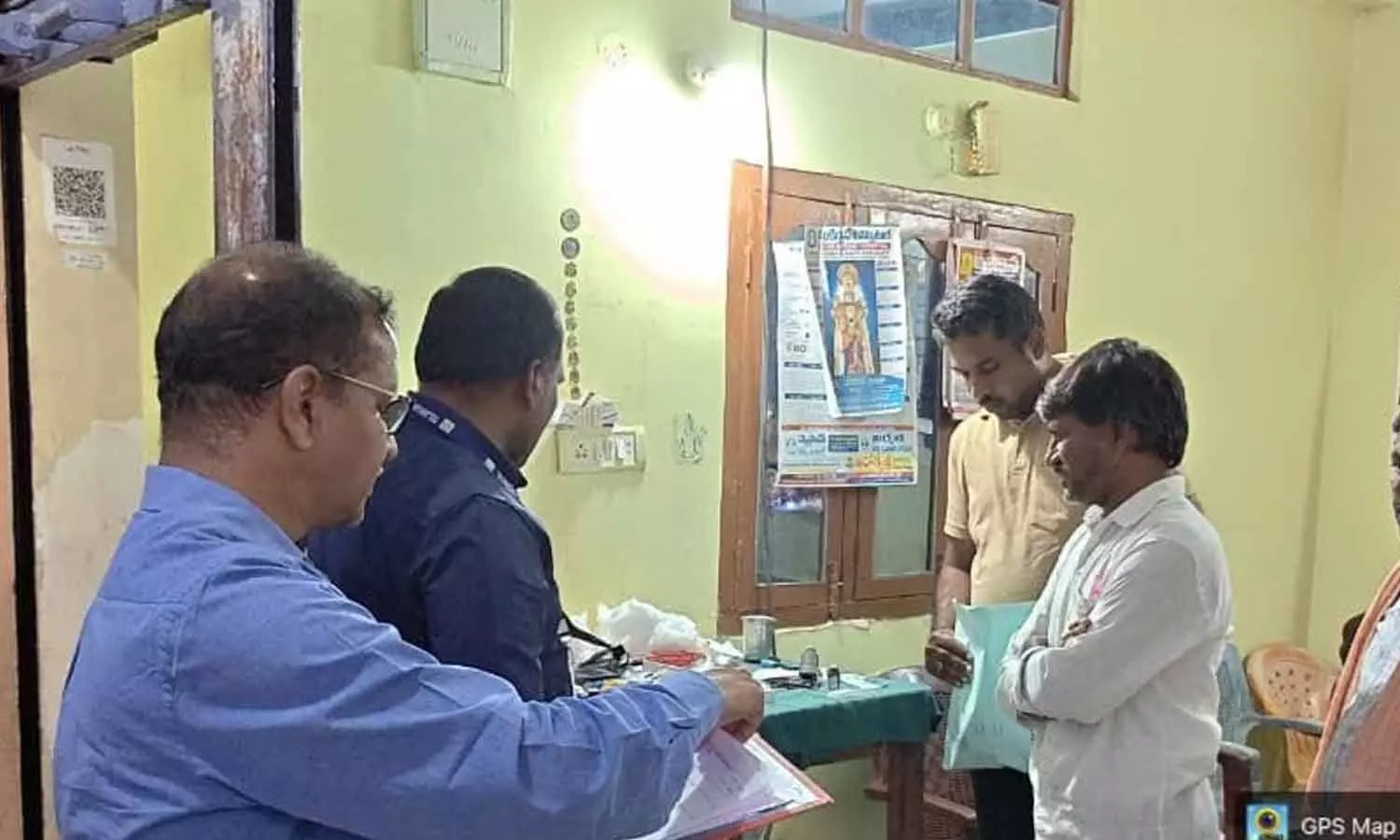
Warangal: Despite inspections and police complaints by the Telangana Medical Council (TGMC), several unqualified practitioners and unlicensed clinics in Warangal are reportedly resuming operations within a day of cases being registered, raising serious concerns over the effectiveness of enforcement.
Notably, TGMC officialsalong with the policehave been conducting inspections in Karimnagar, Kazipet, Shivanagar, Keerthinagar, Oorugonda, Ursu, and Khila Warangal, besides several areas of the erstwhile Warangal district. They identified around 100 persons allegedly practising medicine without the required qualifications or permissions and filed complaints at the respective police stations. The inspections had exposed several serious violations, including clinics functioning without licences, inpatient services being provided under the guise of first-aid centres, patients being admitted on beds, administration of saline bottles and dangerous steroid injections.
Officials also found that some qualified doctors had allegedly handed over their certificates to unqualified persons, allowing them to provide treatment. Treatment was reportedly being offered in unhygienic conditions, while biomedical waste was being disposed of in municipal garbage in violation of norms.
While officials have been active in identifying illegal practitioners and filing complaints, criticism is mounting over the lack of follow-up after cases are registered. Locals allege that some of those booked resumed medical practice at the same locations the very next day.
This has raised questions over whether the inspections end merely with registration of cases, instead of ensuring closure of the clinics and preventing repeat offences. Residents have questioned who is responsible for ensuring that those caught practising illegal medicine do not reopen clinics. Residents have demanded stringent and sustained action to curb illegal medical practice, particularly as unqualified persons are allegedly administering saline and steroids and providing inpatient treatment, posing a risk to public safety.
They have urged authorities to go beyond raids and case registration, monitor the movements of offenders and prevent them from returning to medical practice. Without seizure of clinics and medical equipment and coordinated action among concerned departments, such inspections may not yield long-term results, they said.
The issue has also triggered debate over whether occasional raids are being conducted merely as a formality, instead of continuous enforcement to check the menace of quackery.


