




- 'Borewell Suraksha Abhiyan' to make Karnataka free of open borewells, says govt
- Bihar teachers, graduates will vote for change in MLC polls: Prashant Kishor
- J&K govt enhances retirement age of judicial officers from 60 to 62 years
- High on energy, low on egos: Trinamool's Derek O'Brien on INDIA bloc protest
- Tipra Motha Party dominates Tripura tribal bodies' polls, wins 74.61 pc of 4,594 seats
- He Saved 174 Lives. Now Captain Smit Battles a Skull Injury
- Flydubai Attack: Indian Pilot Smit Machchhar Fought Through Skull Fracture To Stop Plane From Being Taken Over
- ‘Rogue’ OpenAI AI agents accused of causing Wikipedia service outage
Bangladesh's economic crisis deepens amid banking woes, energy shortages: World Bank
In Short
The economic assessment was detailed in the World Bank's October 2026 Bangladesh Development Update, titled 'Make Subsidies and Social Protection Work Better for the Poor', released on Tuesday.

Share :
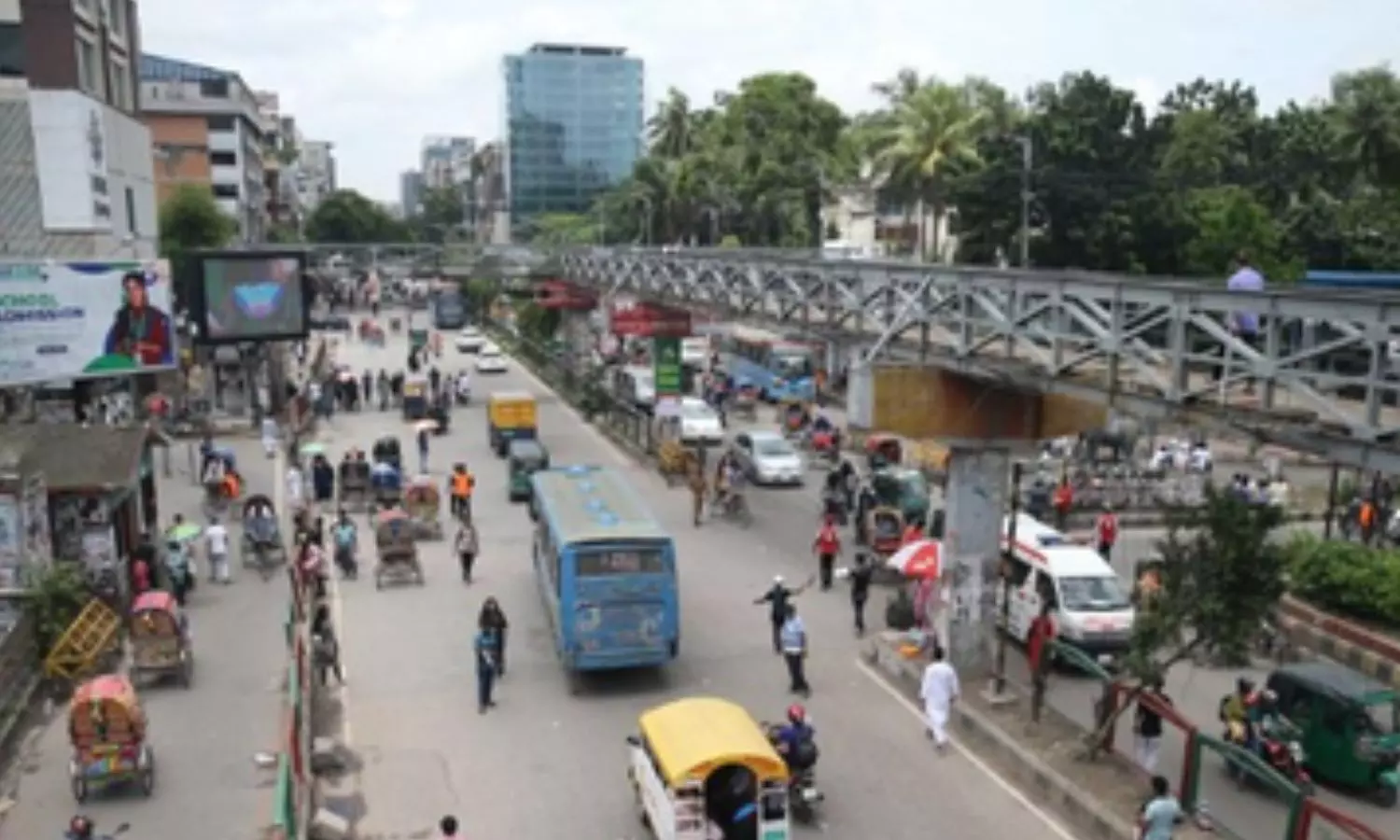
Bangladesh faces mounting economic pressures
Dhaka: Bangladesh faces mounting economic pressures, including a fragile banking sector, energy shortages, weak revenue collection, persistent inflation, eroding competitiveness and growing fiscal pressures that could keep growth subdued without faster structural reforms, local media reported on Tuesday, citing the latest World Bank Report.
The economic assessment was detailed in the World Bank's October 2026 Bangladesh Development Update, titled 'Make Subsidies and Social Protection Work Better for the Poor', released on Tuesday.
Bangladesh's economic growth is projected to remain at 3.4 per cent in fiscal year FY27, the same as in FY26 and significantly below its decade-long average of 5.6 per cent, the World Bank said.
While growth could rise slightly to 3.9 per cent in FY28, it warned that banking sector risks, energy constraints, a weak business environment and limited fiscal room are likely to hamper growth, Bangladesh's leading newspaper The Business Standard reported.
Reports suggest that the main reason for the decline in growth was the contraction in investment. In the 2025-26 fiscal year, private investment fell by 0.5 per cent and public investment by 0.7 per cent. At the same time, real exports of goods and services fell by 4.8 per cent.
Energy security remains another major constraint, as declining domestic gas production has forced Bangladesh to rely increasingly on imported liquefied natural gas (LNG).
Bangladesh now meets around one-third of its gas demand through imports. Fuel and gas shortages have disrupted industrial activity, while bottlenecks in transmission and distribution have restricted the effective utilisation of power-generation capacity.
Factories have been forced to operate below capacity or temporarily suspend operations, while businesses have faced higher costs due to power shortages and dependence on diesel generators, The Business Standard reported.
The World Bank has warned that prolonged energy supply constraints could postpone a recovery in private investment and industrial activity.
Bangladesh's social protection system is failing to adequately shield those most vulnerable to economic shocks.
Around half of the poorest households remain excluded from safety-net programmes, while nearly 62 million people living just above the poverty line face the risk of slipping into poverty.
Meanwhile, subsidy spending remains poorly targeted, with many benefits failing to reach the most vulnerable.
Bangladesh allocates about 3.5 per cent of GDP annually to energy and fertiliser subsidies and social protection, yet the richest urban receive nearly half of all electricity subsidies, the World Bank report highlighted.


