




- Stone laid for curry leaf processing unit
- Preserve Tirumala traditions for future generations: CM Chandrababu Naidu
- CM Chandrababu Naidu invites IIT alumni, tech leaders to PanIIT AP Summit
- CM Chandrababu Naidu warns coaching centres against mobilising aspirants for protests
- APPSC notifies 892 vacancies
- CM Chandrababu Naidu sets March 2027 deadline for 5.52L houses
- TDP bound by Amit Shah's statement on UCC: Palla
- Abolish NTA, centralised tests for UG admissions: SPCSS-TN urges Centre
Iran war cost US $38 billion: Congressional Budget Office
In Short
The nonpartisan agency also warned that the conflict has depleted critical missile-defence stocks, increased energy prices and added to inflation across the American economy.

Share :
Iran war cost US $38 billion: Congressional Budget Office
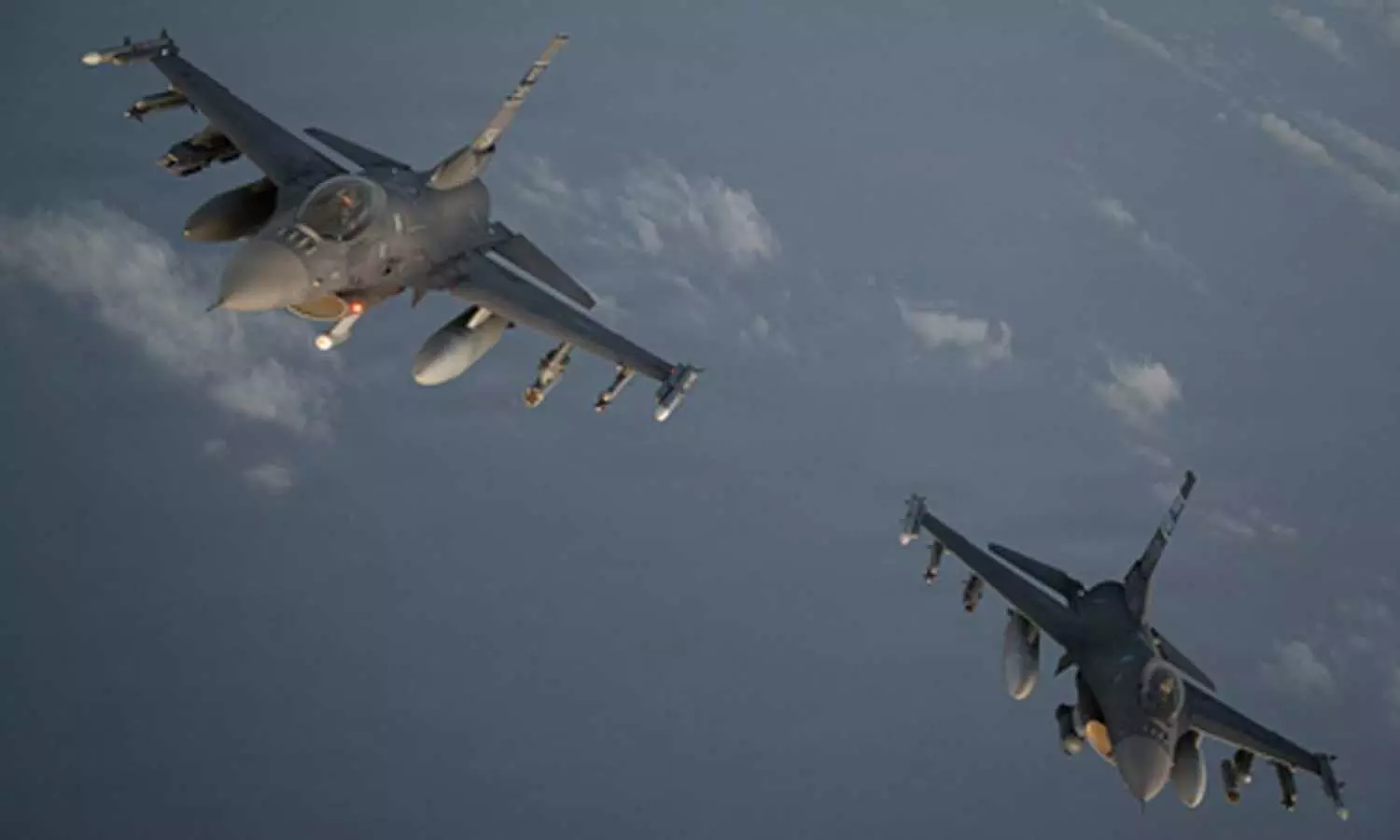
Washington: The US military campaign against Iran cost the Pentagon about $38 billion through July and could consume another $2 billion to $3 billion each month, according to the Congressional Budget Office.
The nonpartisan agency also warned that the conflict has depleted critical missile-defence stocks, increased energy prices and added to inflation across the American economy.
The CBO examined operational, logistical and economic costs associated with Operation Epic Fury, which began on February 28.
The initial phase lasted until a ceasefire took effect on April 8. President Donald Trump declared the ceasefire over on July 10 after attacks on tankers passing through the Strait of Hormuz.
The $38 billion estimate includes $21.7 billion to replace missiles and other munitions. It also covers $10.4 billion in additional flying hours, $2.7 billion in higher military fuel costs, $1.9 billion for equipment lost in battle and $1.5 billion in other operational expenses.
Replacing expended munitions was the largest single expense. The total included $13.1 billion for missile-defence interceptors and $7.3 billion for land-attack cruise missiles.
The estimate does not include the cost of repairing or rebuilding US military facilities damaged by Iranian attacks. It also excludes diplomatic operations, foreign assistance and the long-term cost of medical care and disability compensation for injured service members and veterans.
CBO said the Pentagon did not provide the information it requested. The agency relied instead on government databases and publicly available reports, leaving its findings subject to “considerable uncertainty”.
The report warned that the United States may have used between one-half and two-thirds of its missile-defence interceptor inventory since June 2025.
“Although DoD does not reveal the number of munitions it has on hand, a comparison of the reported expenditures of missile defense interceptors with the total numbers that DoD has purchased to date indicates that the United States has probably used between one-half and two-thirds of its inventory of those munitions since June 2025,” CBO said.
Rebuilding the stocks could take at least five years, even if the Pentagon accelerates procurement.
“The shortfall would become especially problematic if a conflict arose with an opponent whose arsenal included large numbers of ballistic and cruise missiles,” the report said.
CBO specifically identified China as possessing an arsenal that could play a major role in any military conflict involving Taiwan.
The conflict has also disrupted oil and natural gas shipments through the Strait of Hormuz and shipping through the Red Sea. CBO said the resulting increase in energy costs added 2.3 percentage points to the annualised inflation rate during the second quarter of 2026.
The agency projected that inflation in the first quarter of 2027 would be 0.5 percentage points higher than it had forecast before the war. Higher inflation is also expected to push up interest rates on US Treasury securities.
Defence Secretary Pete Hegseth told Congress in July that operations against Iran would cost $37.5 billion through September. The White House has requested $87.6 billion in supplemental funding, including $67.1 billion for the Pentagon. CBO said about $42.3 billion of the Pentagon request appeared directly related to the conflict.


