






- Sonia Gandhi reveals moral dilemma over alliance with DMK in memoir
- Manjinder Singh Sirsa accuses Rajiv Gandhi of responsibility for 1984 anti-Sikh riots, rejects Sonia Gandhi's account
- Tripura CM calls for collective efforts for inclusive development of tribal, non-tribal communities
- Gujarat leaders meet HM Shah, exchange 'Saal Mubarak' wishes on New Year
- Sonia Gandhi Recalls ‘Midnight Chat’ With Rahul Before Turning Down PM Post In 2004
- Sundar Pichai Welcomes Meta’s AI Models to Google Cloud
- Google Unveils New AI Chips in Major Challenge to Nvidia
- Kia Car wrecked in PVNR Expressway Accident in Hyderabad
Oxford museum hands back ancestral skulls to Nagaland delegation
In Short
A 30-strong delegation from Nagaland received the remains at a handover ceremony in Oxford on Monday.

Share :
Pitt Rivers Museum at the University of Oxford
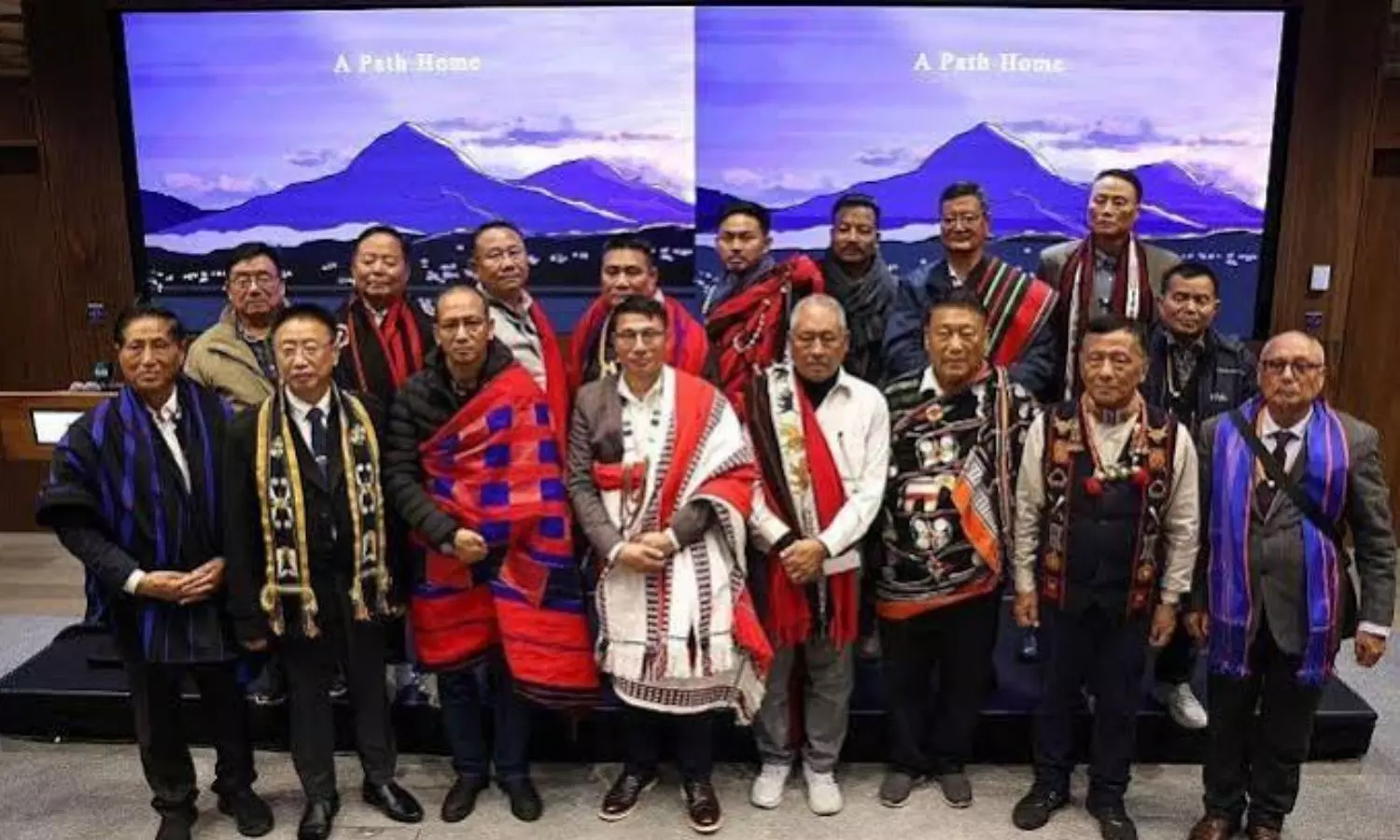
London: The Pitt Rivers Museum at the University of Oxford has handed over the remains of 39 Naga ancestors for their journey back home to India.
A 30-strong delegation from Nagaland received the remains at a handover ceremony in Oxford on Monday. The ancestors, most of which are skulls, will be given what the Naga tribal leaders described as a "respectful rest", with plans to bury them under a joint memorial in a park in Nagaland.
“I feel honoured that we walked alongside our partners to find the path to return for these 39 Naga ancestors, who have been away from their homeland for far too long,” said Professor Laura Van Broekhoven, Director of the Pitt Rivers Museum.
The museum holds the largest collection of Naga material in the world, much of it gathered by colonial administrators in the early twentieth century. Among them are the ancestral remains of Naga people, taken during the colonial era and held in the museum for decades.
The Forum for Naga Reconciliation (FNR) approached the museum earlier this year seeking the return of their ancestral heritage.
“It has been humbling to be part of this process, to witness the effect of collective consultation led by FNR and the RRaD (Recover, Restore and Decolonise) team. Especially inspiring is the beautiful way that collective work and shared action kept engagement growing to become a Naga-wide movement of healing and unification," said Van Broekhoven.
Since 2020, the museum said it has worked in collaboration with the FNR and RRaD teams, together with tribal Hohos, elders, churches and communities across the Naga homeland to decide how their ancestors should be cared for and returned.
“In February 2026, the University of Oxford received a claim from the FNR for 40 ancestral remains kept in the Pitt Rivers Museum. The claim followed the university’s procedures for the return of cultural objects and was agreed by the Oxford University Council on July 13, 2026,” the museum said.
The council agreed to the return of 39 ancestral remains, declining the return of one further remain, which it said did not have a “clear provenance as Naga”.
“Following this decision, the Pitt Rivers Museum has been working closely with the Nagas to agree on a date for the handover ceremony. After the ceremony, the ancestors will finally return home, accompanied by a Naga delegation, including leaders and elders of several Naga tribe Hohos, together with members of the FNR and RRaD," the museum stated.
The Naga ancestors were on display until 2020, when the museum removed all human remains off display.
The Naga-Oxford Declaration reads: "As Nagas, we do so in a united voice, with mutual respect and consensus and to offer you a dignified rest, establishing a Naga monument of healing and peace for all generations, symbolising the oneness of the Nagas.
"We extend our solidarity to fellow Indigenous Peoples across the world who seek to undertake a similar journey of repatriation in the hope of bringing decolonisation, justice and peace, not just for ourselves but for humanity."
According to official records, the first Naga ancestral remains were given to the museum in Oxford over a century ago by John Henry Hutton, a colonial administrator in the Indian Civil Service and an anthropologist.
Most of the Naga ancestral remains now in the collection were brought to Oxford by Hutton and a second administrator-anthropologist, James Philip Mills, between 1910 and 1940.
The return of the 39 remains was made possible with the support of the Homebound Project, which is dedicated to restoring dignity, sovereignty, and cultural integrity to Indigenous communities worldwide by funding the material repatriation of ancestral remains and cultural belongings from UK institutions to their rightful communities.
Andhra Pradesh converts 526 investment proposals worth Rs 17.2 lakh cr ahead of CII summit
Punjab: SAD MP Harsimrat urges women to launch ‘Kisan Andolan’-like movement against drugs
Innovation centre to come up at NIT Raipur; CM says it will help youth achieve big dreams locally
Cinema should offer different perspectives on masculinity, says Pankaj Tripathi
CM Sarma charts Assam’s two-pronged strategy against river erosion
'I witnessed that historic moment’, says Ashok Gehlot on Sonia Gandhi declining PM’s post in 2004
Vice-President Radhakrishnan to visit his alma mater in Tamil Nadu tomorrow
Enjoys widespread acceptance among world leaders: BJP on PM Modi-Zelensky phone call
Bihar CM Choudhary suspends 15 officials, orders departmental action over delays in 'Sahyog' applications
You cannot take away Tipu Sultan’s contributions to K'taka: Priyank Kharge


