Smoke from Canada wildfires triggers air quality alerts across U.S. Great Lakes region

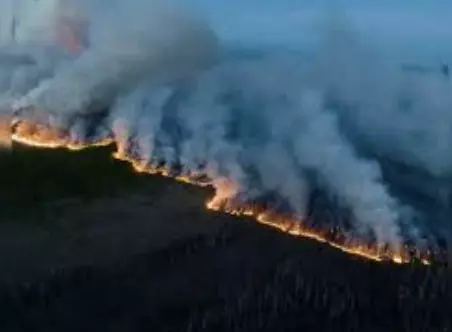
Smoke from Canada’s wildfires sparks air quality alerts across the U.S. Great Lakes, affecting Minnesota, Wisconsin, Michigan, and parts of Chicago.
Wildfires raging across Canada have forced widespread evacuations and emergency declarations—and now, they’re sending hazardous smoke into the northern United States.
As of Friday, 174 wildfires are actively burning in Canada, with 94 classified as “out of control,” according to the Canadian Interagency Forest Fire Centre. The hardest-hit provinces include British Columbia (61 fires) and Alberta (51 fires). With the country now at its highest National Preparedness Level, Canada has begun requesting international assistance to contain the crisis.
In Saskatchewan, where 17 wildfires were active on Thursday, Premier Scott Moe declared a state of emergency. Fire officials reported that three of those fires were contained, while others remained uncontrolled or under assessment. One fire was undergoing “value protection”—a tactic to safeguard vulnerable infrastructure using tools like sprinklers.
“We’ve evacuated around 15 communities so far,” Moe said, citing the lack of moisture and unusually dry spring as major contributors to over 200 wildfires in Saskatchewan alone.
Smoke Drifting into the U.S.
Winds are now carrying wildfire smoke southward into the United States. Northern Minnesota, Wisconsin, and Michigan’s Upper Peninsula are under air quality alerts, especially for sensitive groups such as children, seniors, and people with respiratory issues.
Heavy smoke is expected to hit Green Bay, Wisconsin, by noon Friday, followed by noticeable haze across Michigan and Chicago later in the day. Milwaukee and Chicago may see vivid orange sunsets, a visual cue of the thick smoke aloft.
By Saturday, the smoke is forecast to spread further into Appalachia and the Southeast, with another wave heading toward the Dakotas and Great Plains.
Officials recommend that even healthy individuals limit prolonged outdoor activity and watch for signs of breathing difficulty.
As the fires continue to grow and smoke travels across borders, authorities stress the importance of vigilance, preparedness, and public health awareness—both in Canada and the U.S.