




- 218,000 Indiramma homes to be completed by Dasara, says Ponguleti Srinivasa Reddy
- UP CM Yogi Adityanath meets Prime Minister Narendra Modi
- All eyes on Rohit and Kohli as India kick off home season through first ODI against West Indies
- Google Unveils Gemini 3.8 Flash TTS With Voice Cloning
- Ananya Panday says 'Happy birthday handsome' as dad Chunky Panday tuns a year older
- Ankush Hazra on ‘Raandhuni Na Kaanduni’: Everyone brings their own humour to the kitchen
- PM Modi pays tribute to Dr Manmohan Singh on birth anniversary; recalls his dedicated public service
- Tamil Nadu to outsource meter reading from October amid assessor shortage
Trump Rejects Iran's Peace Plan
In Short
As per reports, Trump is “sceptical" that Tehran will meet his demands. He has said publicly that Tehran is seeking a deal after the midterms that would dismantle Iran’s nuclear programme.

Share :
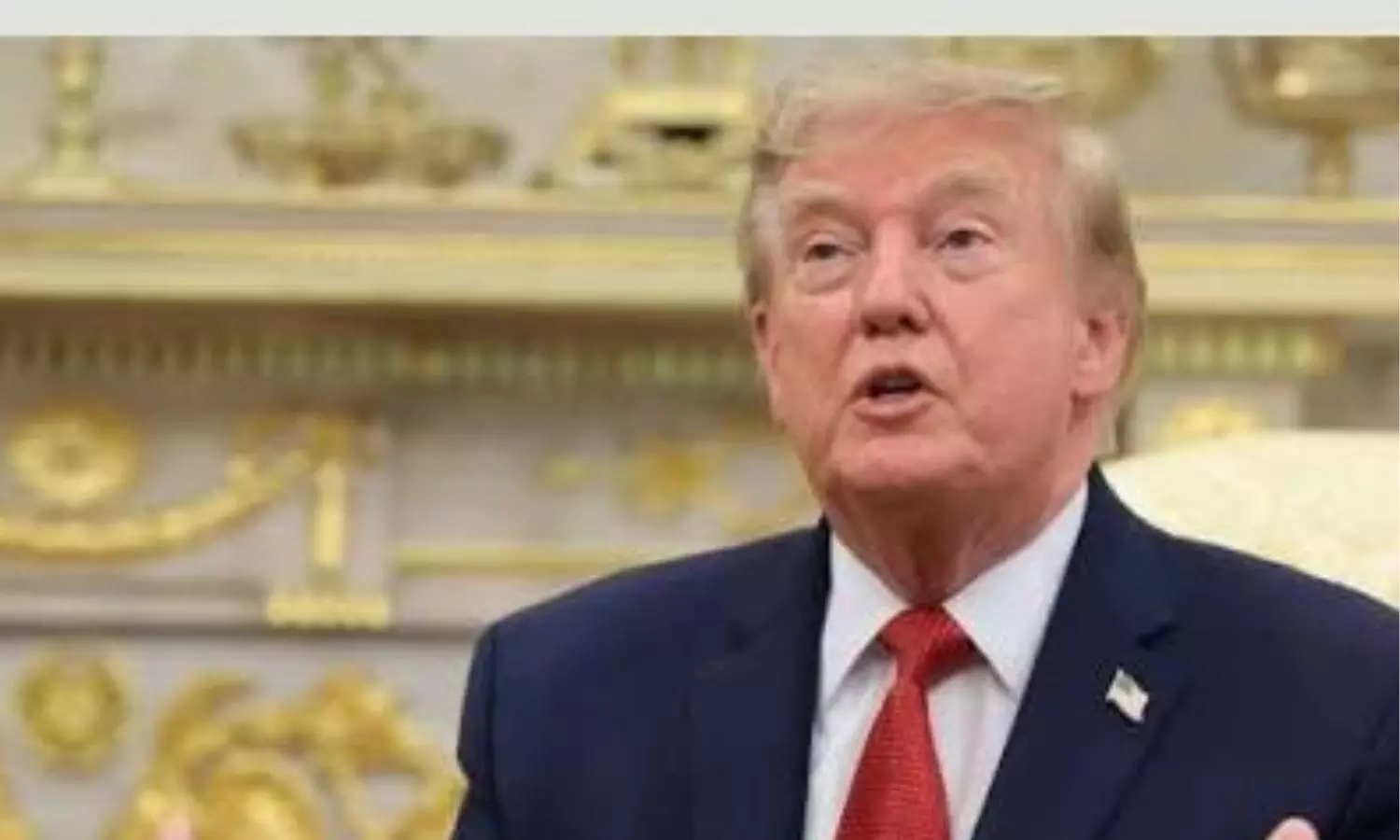
Trump is “sceptical" that Tehran will meet his demands
Despite efforts made by Iran's president and foreign minister, who visited New York for the UN gathering of world leaders and proposed a deal with the Trump administration that would end the fighting and open the Strait of Hormuz in seven days, US President Donald Trump has rejected an Iranian proposal for a seven-day ceasefire and told aides that he expects US bombing of Iran to resume after the November midterm elections, according to US officials quoted by the Wall Street Journal.
As per reports, Trump is “sceptical" that Tehran will meet his demands. He has said publicly that Tehran is seeking a deal after the midterms that would dismantle Iran’s nuclear programme.
The proposal from Tehran would have involved reopening the Strait of Hormuz and restarting nuclear talks in exchange for the US lifting its blockade of Iranian ports. The blockade has caused serious damage to Iran’s economy.
Trump sparked fresh geopolitical tension and internet satire after sharing a graphic on Truth Social renaming the Strait of Hormuz, one of the world’s most critical oil transit chokepoints, as the “Trump Strait".
Trump early Saturday shared a posting of a map on social media of the crucial waterway calling it the “Trump Strait.” Around the same time, Iran's state media said President Masoud Pezeshkian was going home.
What's different from past failed attempts is the speedier timeline. Iran's pitch to President Donald Trump said a quick deal might help him in the midterm elections in November.
Earlier, Iranian Foreign Minister Abbas Araghchi told reporters on the sidelines of the United Nations General Assembly that Tehran had proposed reopening the Strait of Hormuz and resuming nuclear negotiations within seven days.
Iran’s proposal was conditional on the US lifting its naval blockade, waiving oil sanctions, and observing a ceasefire.
Araghchi said Iran had presented Washington with a “concrete" seven-day plan to reopen the strategically important waterway, putting the next decision in the hands of the US.
CM Chandrababu reviews on floods, announces 50kg rice to fishing families
Balapur Laddu fetches record Rs 39L in auction
‘Make In India’ Turns 12: PM Modi credits infra, innovation for growth
Focus on positive changes in society, PM tells BJP workers
India must pursue goal of large, diversified defence-industrial base
Silence won’t end this storm: Election Commission needs to speak


