






- Nadella Warns of Rising AI Cyberattacks, Apologises for Outlook Outage
- EPFO board likely to discuss more flexible retirement withdrawal options
- Malaysia To End Visa-Free Entry For Indians From January 1, 2027; Visa Applications To Open On December 1
- International Men’s Day: Recognising Men’s Contributions
- North Korea's Kim visits naval university, key construction sites amid possible talks with US
- Yemen's Houthis claim strikes on Riyadh airport, financial centre as cross-border fighting continues
- Trump, Putin and Xi set to hold trilateral summit on APEC sidelines today
- CM Yogi to lay foundation stone of UP's first forestry university in Gorakhpur today
World's largest importer of uncut diamonds, India at UN projects way to curb illegal exploitation
In Short
The Kimberly Process, with 86 countries and backed by the United Nations, rigorously ensures that illegally mined diamonds are kept out of the supply chain of uncut diamonds.

Share :
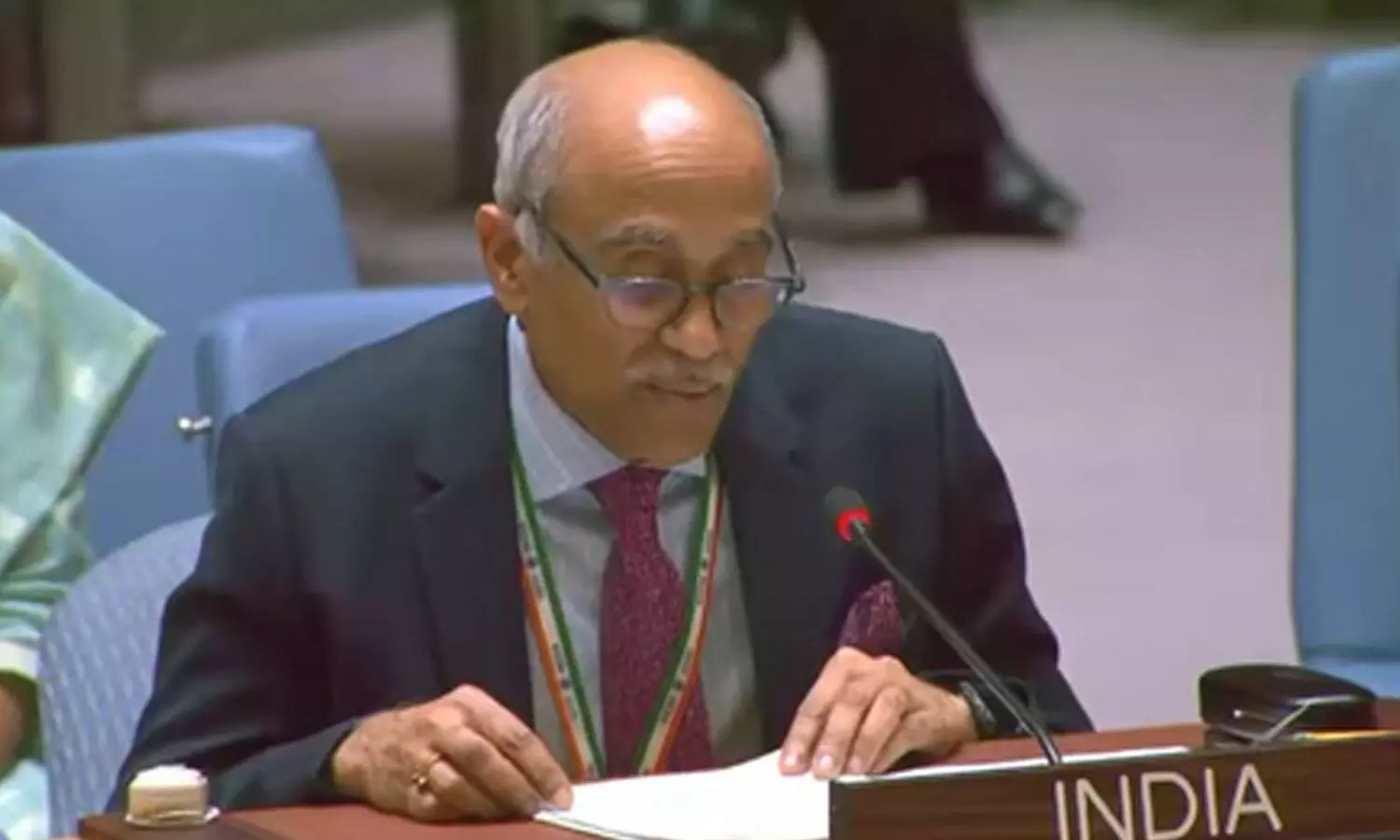
India's Permanent Representative P. Harish
United Nations: As the world's biggest importer of uncut diamonds, India has held up an international arrangement it heads as a way of ensuring natural resources are not illegally exploited by terror groups.
"As Chair of the Kimberley Process in 2026, India is committed to strengthening its effectiveness and inclusiveness," India's Permanent Representative P Harish said on Wednesday (local time).
The Kimberly Process, with 86 countries and backed by the United Nations, rigorously ensures that illegally mined diamonds are kept out of the supply chain of uncut diamonds.
"By bringing together governments, industry and civil society, it has curbed the trade in conflict diamonds while keeping legitimate trade open," Harish said.
Diamonds illegally mined in countries engulfed by civil conflicts like the Central African Republic and the Democratic Republic of the Congo are used by armed groups to fund their activities.
"Illicit exploitation and trafficking, in specific situations, can finance armed groups and prolong conflict," Harish said.
Sierra Leone, which will preside over the Security Council next month, convened the informal meeting of the Security Council on 'Natural Resources and Conflict: Strengthening Cooperation for Prevention and Peace'.
It had experienced the fallout of armed rebel groups exploiting minerals.
India is at the centre of the global diamond trade as the world's biggest importer of rough diamonds, bringing in $10.48 billion worth in the last financial year, and exporting finished diamonds valued at $12.16 billion.
"Cooperation among producing, transit and consuming countries must reduce opportunities for illicit trade without penalising lawful commerce", Harish said.
While transparency, responsible supply chains and due diligence all have a role, these "standards should not become compliance burdens or disguised barriers to trade for developing countries", he cautioned.
He said that local value addition, technology partnerships and capacity-building would help resource-rich countries of the Global South.
For local communities getting an equitable and just share of the benefits from the minerals mined there, he cited a programme in India.
"In India, District Mineral Foundations, established under our mining law, direct contributions from mining operators to the welfare of communities and areas affected by mining," he said.
"Arrangements of this kind, with the participation of local communities including women and youth, make resource wealth visible in people's lives," he added.


