AIMIM Leader Asaduddin Owaisi Responds To Pakistan's Water Threats With BrahMos Missile Reference


Hyderabad MP Asaduddin Owaisi counters Pakistan PM Shehbaz Sharif's warnings over Indus Waters Treaty by mentioning India's BrahMos missile capabilities and dismissing threats as ineffective.
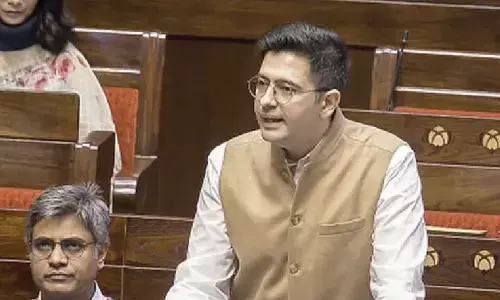
AIMIM chief and Hyderabad parliamentarian Asaduddin Owaisi delivered a sharp response to Pakistan Prime Minister Shehbaz Sharif's recent threats regarding the Indus Waters Treaty, reminding the neighboring nation's leadership of India's advanced missile capabilities while dismissing their warnings as ineffective rhetoric.
Speaking to a news agency, Owaisi directly addressed Sharif's aggressive statements by highlighting India's possession of the BrahMos missile system and advising the Pakistani leader to refrain from making provocative statements. The AIMIM chief emphasized that such intimidatory tactics would have no impact on India's resolve or policy decisions.
The exchange stems from Sharif's inflammatory remarks made during a ceremony in Islamabad on Tuesday, where he declared that Pakistan's adversaries would not be permitted to seize even a single drop of water belonging to his country. The Pakistani Prime Minister had issued what appeared to be a veiled threat, suggesting that any attempt to interfere with Pakistan's water supply would result in severe consequences for the perpetrator.
India's decision to suspend the Indus Waters Treaty on April 23 came as part of comprehensive punitive measures implemented following a devastating terrorist attack in Jammu and Kashmir's Pahalgam region. The assault, which occurred the previous day, resulted in 26 fatalities and prompted New Delhi to reconsider its water-sharing arrangements with Pakistan.
Sharif's address in Islamabad contained direct warnings to India, stating that any nation threatening to obstruct Pakistan's water flow should remember that they cannot deprive Pakistan of its rightful water resources. He went further to suggest that any such attempt would result in a harsh lesson that would leave the aggressor in a position of regret and submission.
Pakistan has consistently maintained that any effort to block water flow to the country would constitute an act of war, a position that has heightened tensions between the two nuclear-armed neighbors. The water dispute has become yet another flashpoint in the already complex relationship between India and Pakistan.
Owaisi's response represents part of a broader pattern of Indian political leaders responding forcefully to Pakistani provocations. The AIMIM leader has previously criticized Pakistani military leadership for making threatening statements against India, particularly condemning such rhetoric when delivered from foreign soil, which he characterized as particularly objectionable.
The Hyderabad MP had earlier expressed strong disapproval of Pakistani Army Chief Asim Munir's nuclear threats, describing the language used against India as completely unacceptable. He had called for a robust political response from the Indian government beyond standard diplomatic protests, urging authorities to formally lodge complaints and raise the issue with international partners.
This latest exchange follows similar strong reactions from other Indian political figures. BJP leader and actor Mithun Chakraborty had previously issued stern warnings in response to Pakistani Foreign Minister Bilawal Bhutto Zardari's comments about India's planned projects on the Indus river system. Chakraborty suggested that continued provocative statements could result in consecutive missile launches if India's patience was exhausted.
The water dispute centers around allegations that India's infrastructure projects on the Indus river system threaten Pakistan's water security. Bhutto had characterized the diversion of Indus waters as an assault on Pakistani history, culture, and civilization, with particular concern for the Sindh region.
The ongoing tensions over water resources reflect deeper strategic and political divisions between the two countries, with each side viewing water access as a critical national security issue. The suspension of the Indus Waters Treaty marks a significant escalation in India's approach to managing bilateral relations with Pakistan, particularly in the context of cross-border terrorism.
The exchange demonstrates how water resources have become weaponized in the broader geopolitical struggle between India and Pakistan, with both nations invoking military capabilities as part of their diplomatic rhetoric. The situation continues to evolve as both countries maintain hardline positions on their respective water rights and security concerns.