




- Pitroda wishes PM Modi good health, says completing 25 years is ‘accomplishment in its own way’ (IANS Exclusive)
- CM Adhikari credits BSF-police coordination for curbing border crimes in Bengal
- SC seeks ECI response on Rahul Gandhi’s plea against SIR, flags conduct of one petitioner
- India’s ethanol supplies reach 987 crore litres by Sep end: Report
- BJP to finalise Bengal civic poll candidates by Diwali; adopts multi-tier screening, eyes professionals
- India’s pharmaceutical market posts strongest monthly growth in three years
- Reliance Digital’s #PROHappy campaign cuts iPhone 17 Pro price to Rs 56,990
- India’s passenger vehicle wholesales rise 21.8 pc to 4.54 lakh units in Sep: SIAM
Bikram Singh Majithia blames Punjab govt, police for activist Parvinder Jhota’s killing
In Short
Shiromani Akali Dal (SAD) senior leader, S. Bikram Singh Majithia, on Thursday blamed the Punjab government and police for the murder of anti-drug activist Parvinder Singh Jhota by a medical store owner, calling it a failure of the system and raising questions over the renewal of the accused man's weapon licence.

Share :
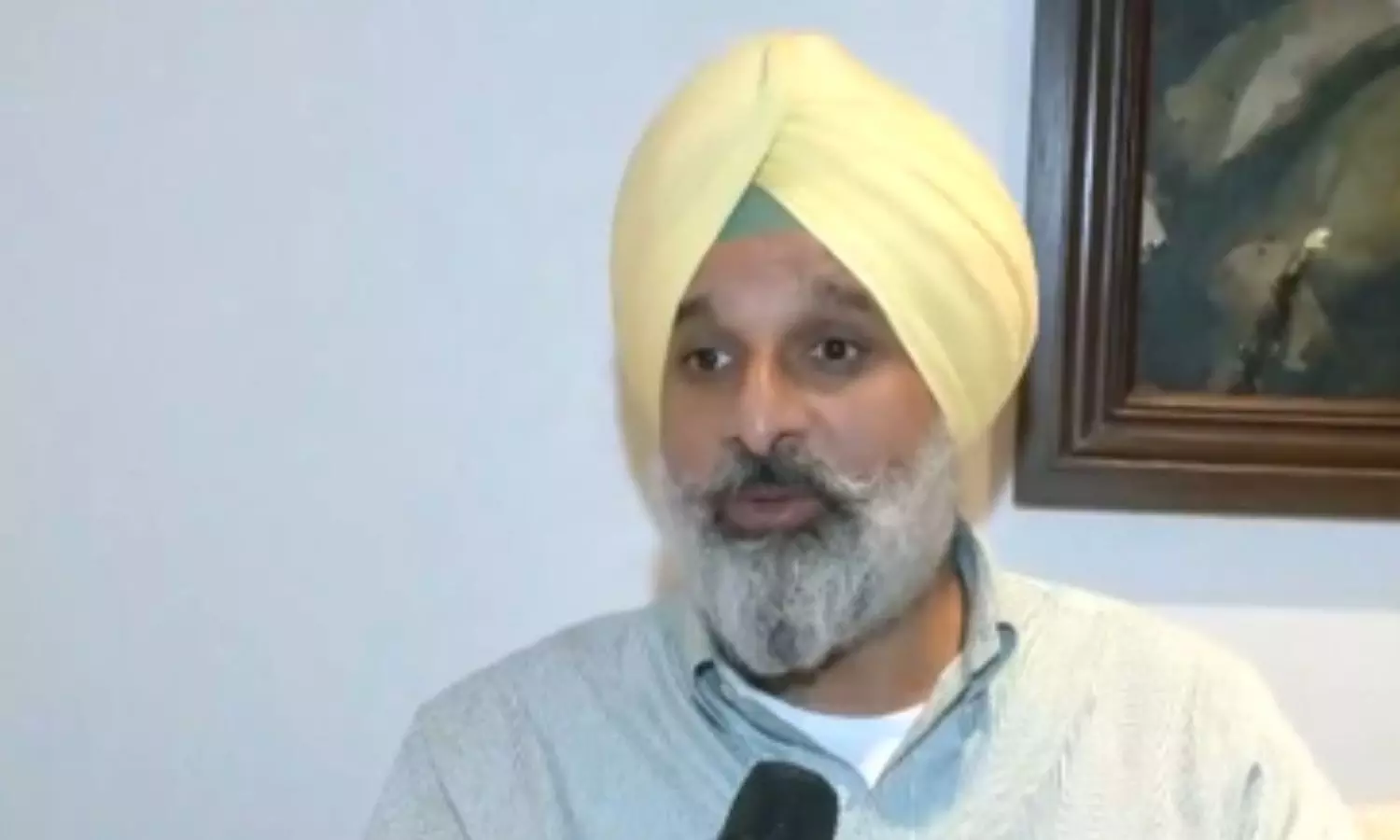
Shiromani Akali Dal (SAD) senior leader, S. Bikram Singh Majithia
Chandigarh: Shiromani Akali Dal (SAD) senior leader, S. Bikram Singh Majithia, on Thursday blamed the Punjab government and police for the murder of anti-drug activist Parvinder Singh Jhota by a medical store owner, calling it a failure of the system and raising questions over the renewal of the accused man's weapon licence.
Speaking to IANS, Majithia said, “This is all a failure of the system. The accused had his licence cancelled four times, and cases were registered against him on four occasions. How was he granted a licence again? He was repeatedly selling drugs, and Parvinder Singh Jhota kept highlighting this. How was his licence renewed? If it had not been renewed, this fight could have ended earlier, and the circumstances in which Parvinder Jhota was shot might never have arisen.”
He further alleged that the incident reflected repeated failures on the part of the government and the police, questioning who had supported the accused and enabled him to keep a weapon.
“This is a failure of the present government. On top of that, he was given a weapon licence. Who was backing him that he could move around as if he could do anything and shoot someone? All this points to police failure,” he said.
Majithia described Jhota's killing as a turning point in the fight against drugs in Punjab, saying the issue had been affecting people for a long time.
“This has become a tipping point and a spark that has ignited the issue. The problem is not new; it has been occurring every day, and people are suffering because of it. However, Jhota has amplified their voices and brought everyone together,” he said.
Targeting Chief Minister Bhagwant Mann, Majithia questioned the government's claims of honesty and its handling of the drug menace and law and order situation.
“You keep putting up posters calling him an honest Chief Minister. You should be ashamed. You cannot control drugs or law and order, and a CBI enquiry into cash-for-transfer allegations is underway. What were your officers on special duty doing? Were they helping gangsters?” he told IANS.
He also alleged that the Aam Aadmi Party had given chairperson posts in Zila Parishads and Block Samitis to family members of Jaggu Bhagwanpuria, a wanted gangster from the Gurdaspur area.
Reacting to the controversy surrounding Punjab government Officers on Special Duty (OSDs), Majithia alleged that appointments and postings were linked to corruption and illegal activities.
“I have been trying to explain repeatedly that Rajbir Ghuman and his OSDs should not be viewed in isolation. Which police officer will be posted to facilitate illegal mining? Which officer will be posted to go soft on the drug issue? This happens because money has been paid,” he said.
Majithia further alleged that illegal mining could not continue without police complicity and claimed that the money trail extended to senior officials, including Senior Superintendents of Police and Deputy Commissioners. He questioned why no action had been taken despite repeated reports about mining-related issues and clearances.


