






Bisleri Says Its Drinking Water Is Safe After FSSAI Flags Potentially Harmful Contaminants
In Short
Bisleri claims that its packaged water is safe following the approval of prosecution by FSSAI after detecting bromate and PAHs in a sample. The company defies the results and claims it is a batch made in Goa in September 2025.

Share :
Bisleri Says Its Drinking Water Is Safe After FSSAI Flags Potentially Harmful Contaminants
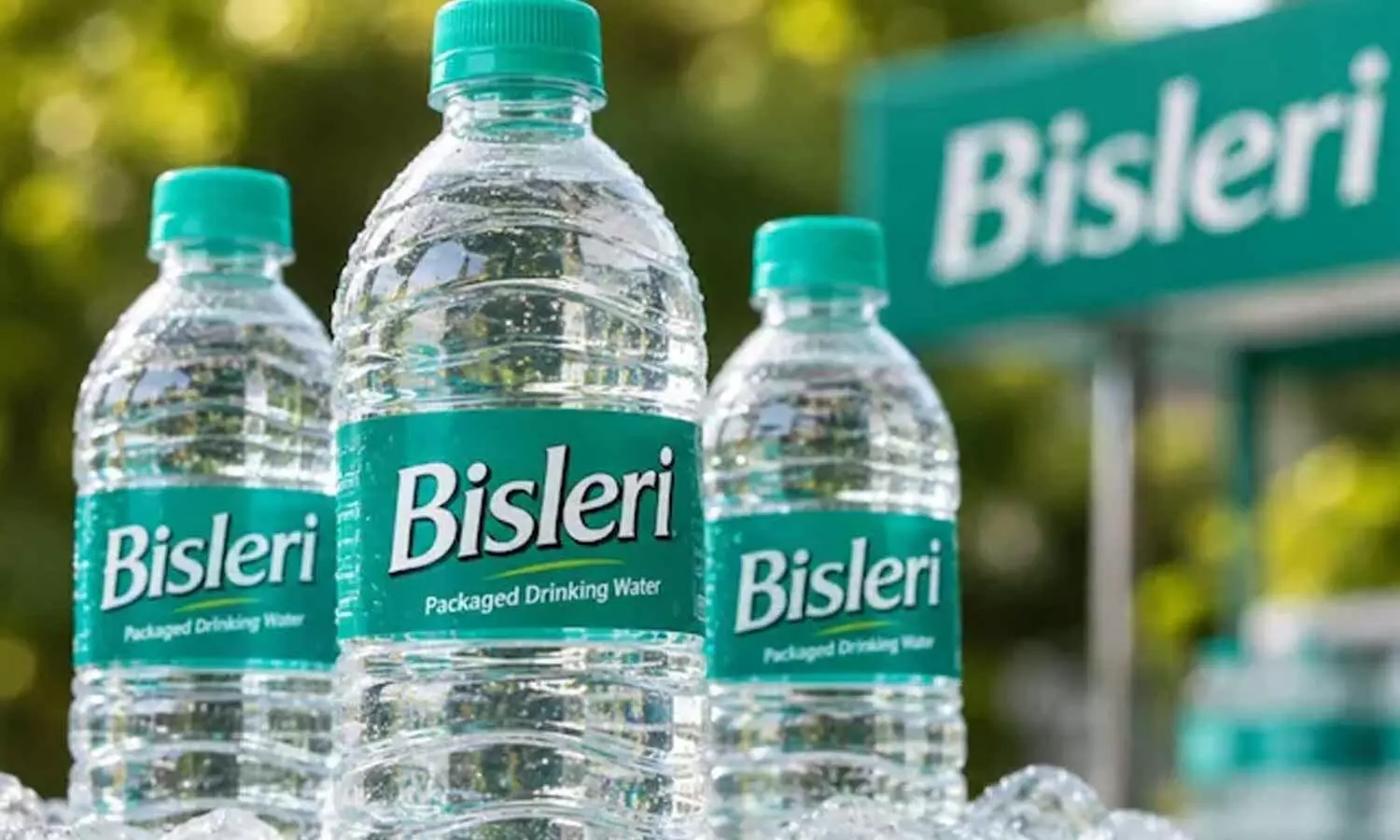
Bisleri International has defended the safety of its packaged drinking water after FSSAI approved prosecution against the company over a sample flagged for bromate and potentially harmful chemical contaminants. The company says the issue relates to a single batch manufactured at its Goa facility in September 2025.
Bisleri International Pvt Ltd has on Monday, November 23, said that its packaged drinking water is safe to drink despite reports of Food Safety and Standards Authority of India (FSSAI) approving prosecution against the company for an allegedly unsafe water sample.
In a statement, the company stated consumer safety is its top priority, and pointed to its quality assurance measures, which include over 90 tests in a 10-step manufacturing process.
Bisleri also stated that it would work with the food safety regulator and deal with the issue through the proper legal and regulatory channels.
Meanwhile, the problem found is the regulatory part as it relates to one batch produced at its Goa plant, one of the 143 plants in its network, Bisleri said.
The company said that FSSAI had taken six samples from the facility on 30th September 2025. Laboratory testing was initially undertaken and five samples met the relevant standards.
The sixth sample had bromate contents of 12 micrograms per litre, however, the prescribed limit was 10 micrograms per litre. A chemical compound, bromate, that can be produced as a by-product of some water disinfection processes.
In response to the initial result, Bisleri has lodged an appeal on 22nd November 2025 for further testing. This sample was then sent to a referral laboratory for examination.
Second test raises questions about findings in labs
The referral laboratory has detected polynuclear aromatic hydrocarbons (PAHs) in the sample according to the company, while the level of bromate was found to be within the limits set.
PAHs are a family of chemical compounds some of which have been linked to health problems, such as cancer.
The results varied among the laboratories, which needed to be clarified, Bisleri said. It then had the same sample tested in an independent laboratory that was approved by FSSAI and the result reportedly showed that bromate concentrations were within acceptable limits.
The company has formally written to the Western Regional Office of FSSAI with the independent laboratory results on February 2, 2026, the company added.
Bisleri stated that it had not heard from the regulator since it had filed the report and thought that the issue was resolved. It also said it had not been officially informed either by email or in person about the reported prosecution approval.
The FSSAI has approved prosecution against Bisleri
Previously FSSAI had issued a press release announcing that it had approved prosecution cases against Bisleri International under Food Safety and Standards Act, 2006.
The regulator said the first sample was said to be unsafe because it did not meet the prescribed limit for bromate. The company appealed and the referral laboratory also found the sample unsafe due to the presence of PAHs.The company appealed and the referral laboratory also determined that the sample was unsafe because of the presence of PAHs.
The laboratory tests proved to be breaches of the food safety law on unsafe food, the regulator said.
Other brands of packaged water are also being investigated
In the interim, the government sources said that the probe would not just target Bisleri.
Samples were collected from various packaged drinking water companies selling in the Indian market, officials told NDTV. Penalties are likely to be issued to enterprises that are found not to meet the prescribed food safety requirements.
The development has raised awareness in India on the importance of quality-control processes and safety requirements for packaged drinking water.


